
Tracheal intubation: buying guide
166 products in the catalogue
The endotracheal tube is an airway device supplied in an individual sterile pack and identified by its internal diameter, expressed in millimetres. The category includes cuffed and uncuffed tubes, preformed and reinforced tubes and emergency sets, together with the accessories ordered with them, such as stylets and introducers.
Several fields that can be checked in each product description carry weight in the choice: the internal diameter, the presence of a cuff and a Murphy eye, reinforced or standard construction, the pack contents and the connector type. Narrowing down by these factors before getting into sizes and presentations avoids comparing references that are not equivalent.
Other related families
-
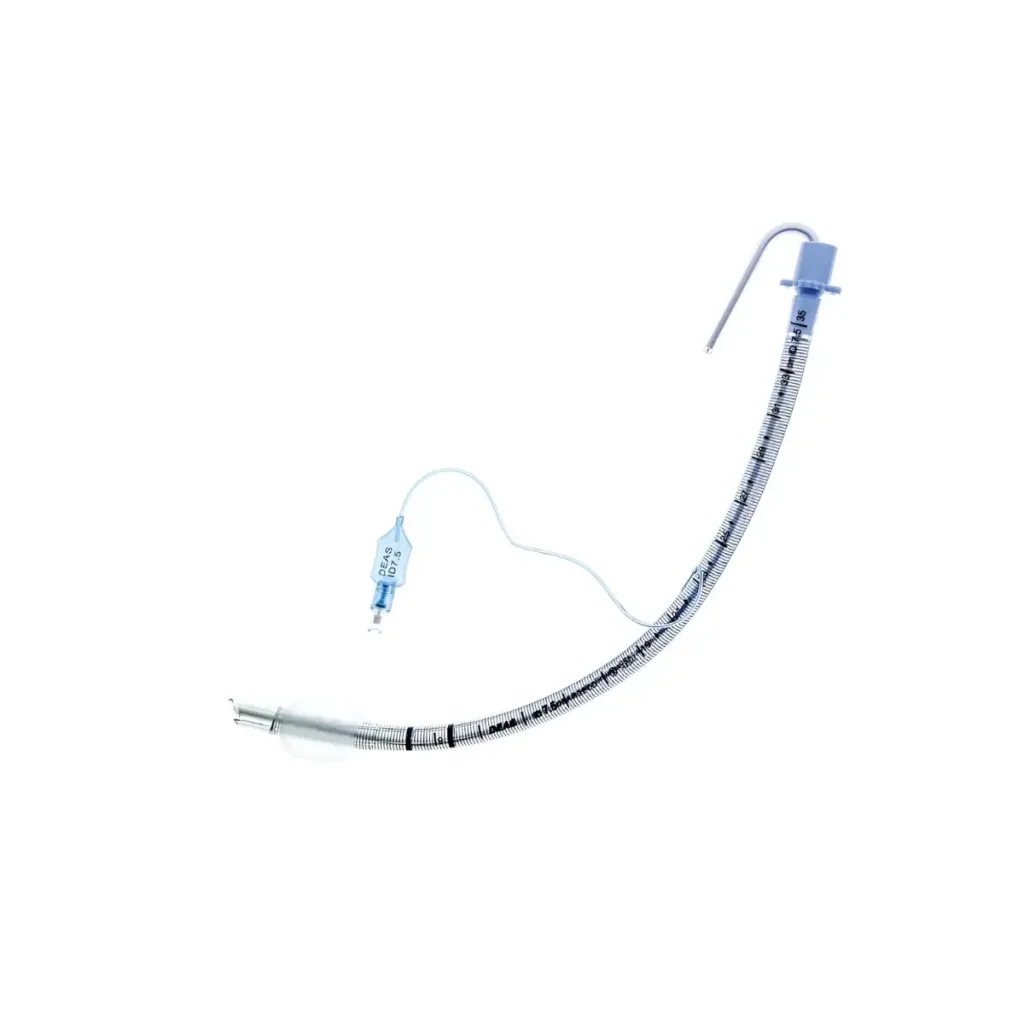
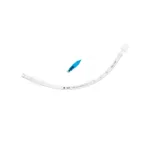 Cuffed Endotracheal Tubes
This is the central family of the order: it groups cuffed tubes in the available internal diameters.
-
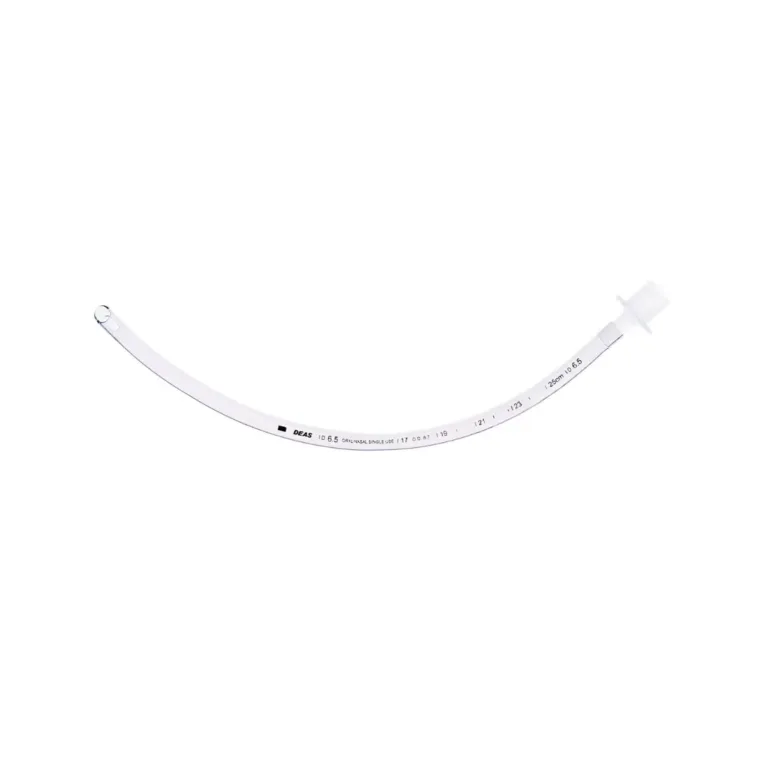
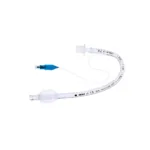 Preformed Endotracheal Tubes
Brings together preformed oral tubes with a cuff and Murphy eye, in a range of sizes that is best covered in full.
-
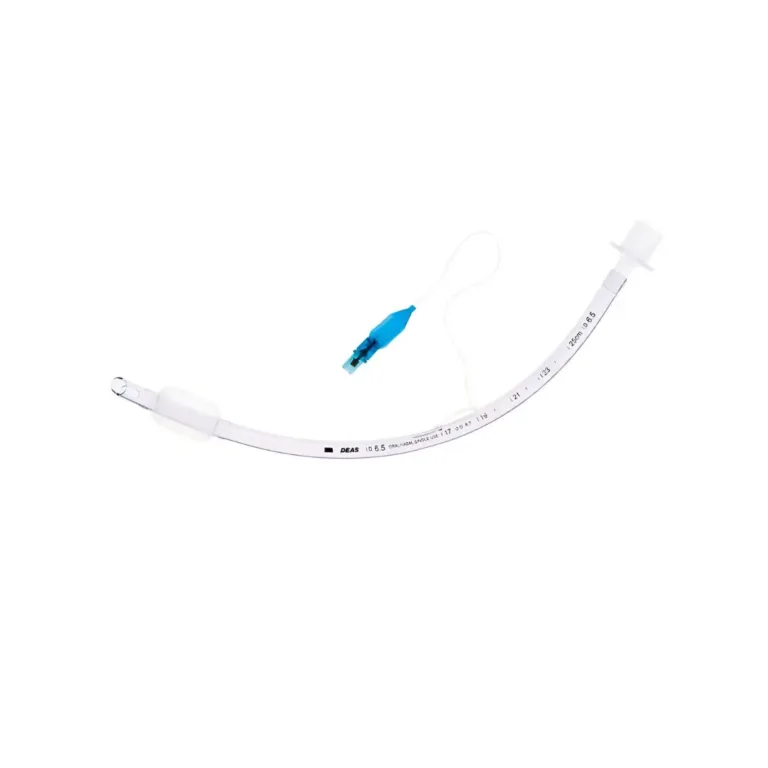
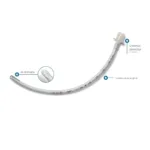 ENDOSID Endotracheal Tube with Cuff and Murphy Eye
Concentrates the references with a cuff and Murphy eye, with the size in the product name itself.
-
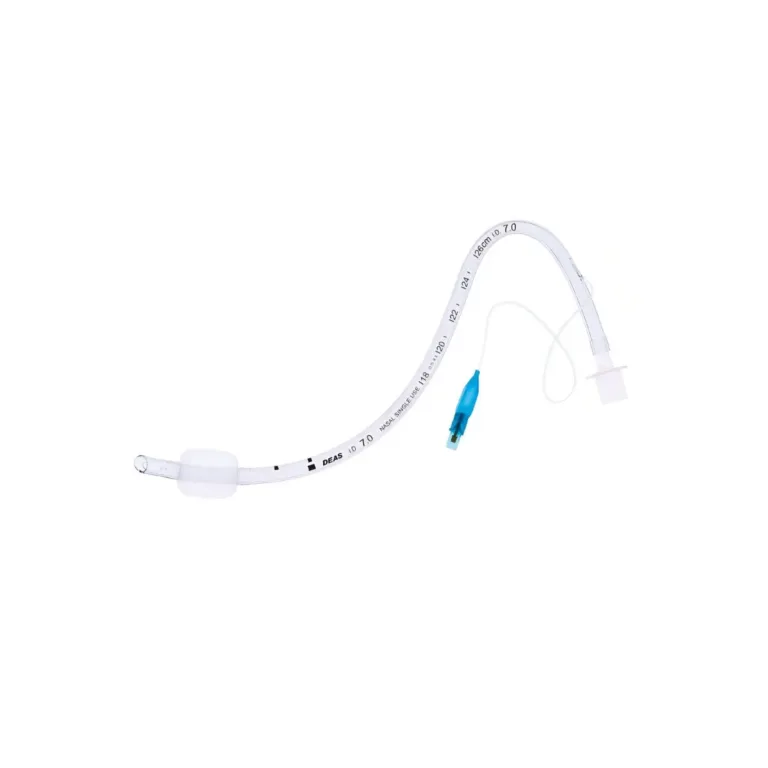
Emergency Endotracheal Tube Kit ENDOSID
Groups the set that includes a tube, an intubation stylet and a syringe, as opposed to buying the tube on its own.
-
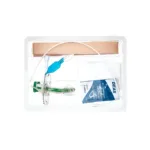 Intubation Stylets
Lets you order the stylet separately when the tube is purchased without one.
-
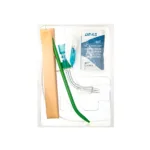 Endotracheal Tube Guides
Covers the introducers for endotracheal tubes that are ordered separately from the tube.
Products in this guide
- PVC 148
- Plastic 3
- Polyethylene 1
- Conical ISO 15/22 mm 144
- Luer 2
- With Murphy's eye 97
- Without Murphy's eye 14
- Box OF 10 145
- Box OF 100 14
- Unit 3
-
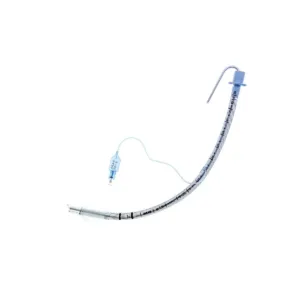
Reinforced Oral Endotracheal Tube with Cuff, Guide and Murphy Eye – ID 3.0 mm (Ref. ETAM30C02A1) – Neonatal – Box of 10 units
118,95 € In stockAdd to basket -
Reinforced Oral Endotracheal Tube with Cuff, Insertion Guide and Murphy’s Eye – ID 3.5 mm | Medical Grade PVC – Neonatal – Box of 10 units (Ref. ETAM35C02A1)
118,95 € In stockAdd to basket -
Oral Reinforced Endotracheal Tube with Cuff, Guide and Murphy Eye — ID 4.0 mm | Medical-Grade PVC, Single-Use, Box of 10 units (Ref. ETAM40C02A1)
118,95 € In stockAdd to basket -
Reinforced Oral Endotracheal Tube with Cuff, Insertion Guide and Murphy Eye – ID 6.0 mm (Ref. ETAM60C02A1) | Box of 10 units
118,95 € In stockAdd to basket -
Reinforced Oral Endotracheal Tube with Cuff, Guide and Murphy’s Eye – ID 6.5 mm | Ref. ETAM65C02A1 | Box of 10 units
118,95 € In stockAdd to basket -
Oral Reinforced Endotracheal Tube with Cuff, Guide and Murphy Eye – ID 7.0 mm | Ref. ETAM70C02A1 | Box of 10 units
118,95 € In stockAdd to basket -
Reinforced Oral Endotracheal Tube with Cuff, Insertion Guide and Murphy Eye – ID 8.0 mm | Medical-Grade PVC, Single-Use | Ref. ETAM80C02A1 | Box of 10 units
118,95 € In stockAdd to basket -
Oral Reinforced Endotracheal Tube with Cuff, Guide and Murphy Eye – ID 8.5 mm | Medical Grade PVC, Box of 10 units (Ref. ETAM85C02A1)
118,95 € In stockAdd to basket
Buying and selection tips
-
Fix the internal diameter before any other measurement
The internal diameter is the measurement by which the tube size is identified. It is best to fix it before comparing lengths or outer diameters, because the other measurements cannot be deduced from the size.
-
Check cuff and Murphy eye in the description, not in the name
Cuff and Murphy eye are two fields that the product description lists separately. Checking both avoids receiving a different variant from the one intended.
-
Reinforced or standard
There are reinforced oral tubes with and without a cuff. The internal diameter is chosen on the same scale in both cases. Compare the pack contents before deciding between the two variants.
-
Pack contents: tube alone or complete set
Some tubes are supplied as an emergency set with an intubation stylet and a syringe, and others as a tube on its own. Decide beforehand whether the stylet and syringe should be included or ordered separately.
-
Connector: check the taper before mixing references
Before assembling a set with tubes and introducers from different sources, check that they share the same type of connection. The information is given in the description of each reference.
-
Introducers and intubation stylets
Introducers and stylets are ordered as items separate from the tube. Check in each reference which tube internal diameters they are paired with.
Compatibility
- Tracheal tube introducer connector
- Check that the taper of the tube and that of the rest of the equipment share the same connection before assembling the set.
Frequently asked questions
How do I tell a reinforced tube from a standard one when reviewing the description?
The tube type is given in the name and in the features. Also compare the pack contents, because they may vary between the two variants.
What should I check to know whether the tube has a cuff and a Murphy eye?
Both details are listed separately in the description, so they do not have to be deduced from the trade name.
Does the emergency set include everything needed or do I have to add components?
The set includes a tube with an intubation stylet and a syringe. If the tube is bought on its own, the stylet and syringe are ordered separately.
What range of internal diameters should I cover in a purchase?
It depends on the patients the department treats. It is best to cover the range of sizes needed rather than a single reference.
Common questions
Assuming a tube on its own includes a stylet and syringe
The tube-only references do not list these accessories, so they have to be ordered separately if needed.
Confusing the oropharyngeal airway with the endotracheal tube
They are two different families that are ordered separately and are not measured in the same way.
Assuming every cuffed tube has a Murphy eye
The Murphy eye is listed separately in the description and cannot be deduced from the name.
More products in this guide
-
Reinforced Oral Endotracheal Tube with Cuff, Guide and Murphy Eye – ID 9.0 mm | Medical-Grade PVC, Box of 10 units (Ref. ETAM90C02A1)
118,95 € In stockAdd to basket -
Reinforced Orotracheal Endotracheal Tube with Cuff, Guide and Murphy Eye ID 9.5 mm (approx. 38 Fr) – Medical Grade PVC | Box of 10 units
118,95 € In stockAdd to basket -
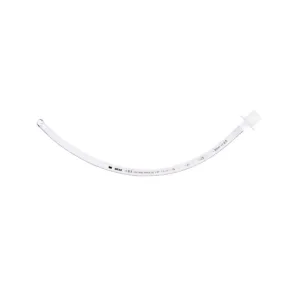
Oral Endotracheal Tube without Cuff with Murphy Eye – ID 2.0 mm | Medical Grade PVC, Neonatal Intubation, Box of 10 units (Ref. ETAN20002)
16,05 € In stockAdd to basket -
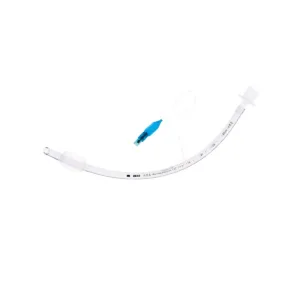
Oral Endotracheal Tube with Cuff and Murphy Eye – ID 2.5 mm | Medical-Grade PVC, Single-Use, Neonatal Intubation, Box of 10 units (Ref. ETAN25C02)
16,05 € In stockAdd to basket -
Uncuffed Oral Endotracheal Tube with Murphy Eye – ID 3.0 mm | Medical-Grade PVC, Paediatric Intubation, Box of 10 units (Ref. ETAN30002)
16,05 € In stockAdd to basket -
Oral Tracheal Endotracheal Tube without Cuff with Murphy Eye – ID 5.5 mm (Medical Grade PVC) | Box of 10 Units
16,05 € In stockAdd to basket -
Oral Tracheal Uncuffed Endotracheal Tube with Murphy Eye – ID 6.0 mm, Medical-Grade PVC (Box of 10 units)
16,05 € In stockAdd to basket -
Oral Endotracheal Tube with Cuff and Murphy Eye ID 8.0 mm (Ref. ETAN80C02) | Adult Orotracheal Intubation | Box of 10 units
16,05 € In stockAdd to basket
Keep exploring
- How to choose an endotracheal tube
- Intubation tube: buying guide
- Nasopharyngeal airway: buying guide
- Orotracheal tube: buying guide
- Preformed oral tracheal tubes: buying guide
- Subglottic suction: buying guide
- Murphy eye
- Anaesthesia
- sleeve
- Medical-grade PVC
- paediatric
- airway
- single-use
- intubation
- latex-free