
Orotracheal tube: buying guide
9 products in the catalogue
The orotracheal tube is the interface that is passed through the mouth into the trachea and used with invasive mechanical ventilation. It is a device for professional use only, and its choice depends on technical details such as the diameter, length, material and type of cuff.
When comparing references it is worth separating two measurements that are not equivalent: the internal diameter, which is the standardised size of the tube, and the outer diameter, which varies between models for the same internal diameter. Equally decisive are whether the tube has a cuff, the presence of a Murphy eye and whether it is reinforced. The available models are reinforced and non-reinforced orotracheal tubes, cuffed and uncuffed, with a Murphy eye, and some presentations include a stylet.
Other related families
-
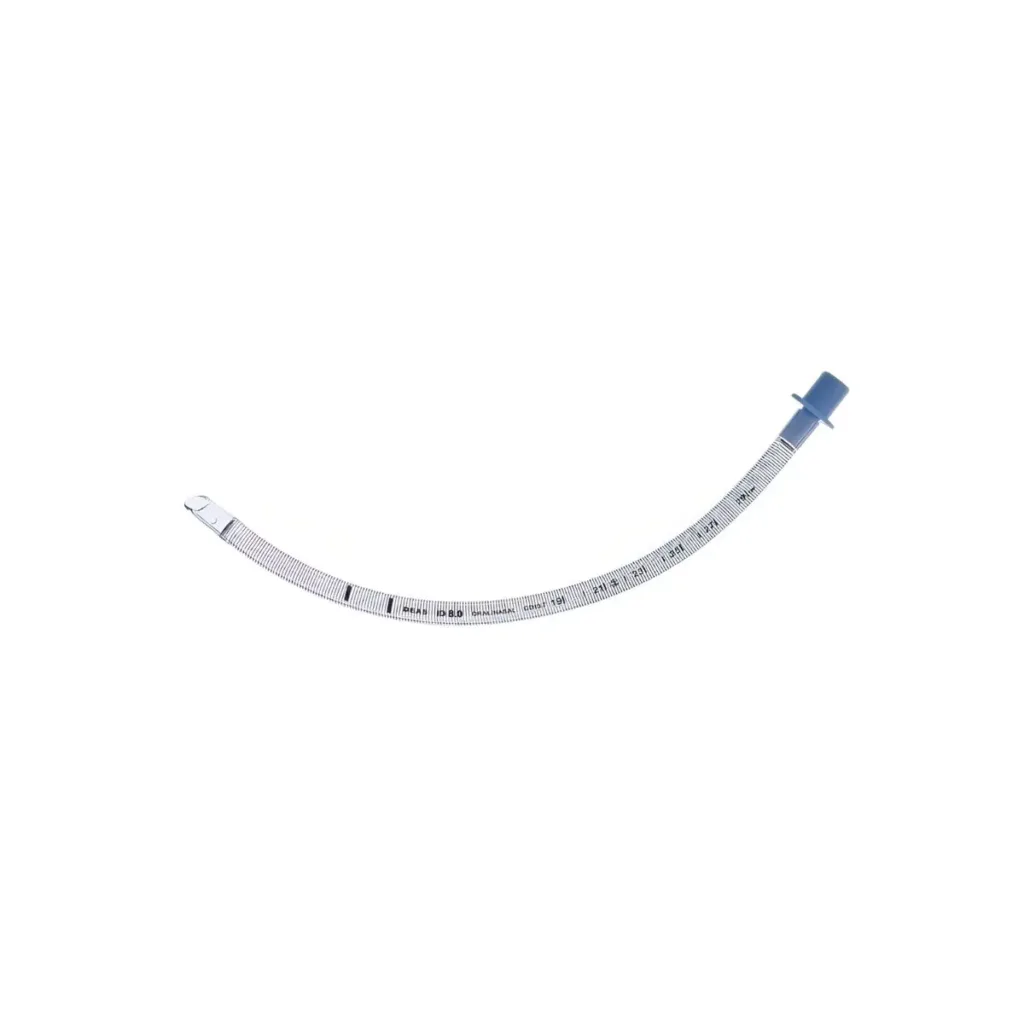
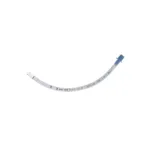 Reformed Endotracheal Tubes Without Cuff
A family of uncuffed tubes; most of the references are reinforced tubes without a cuff.
-
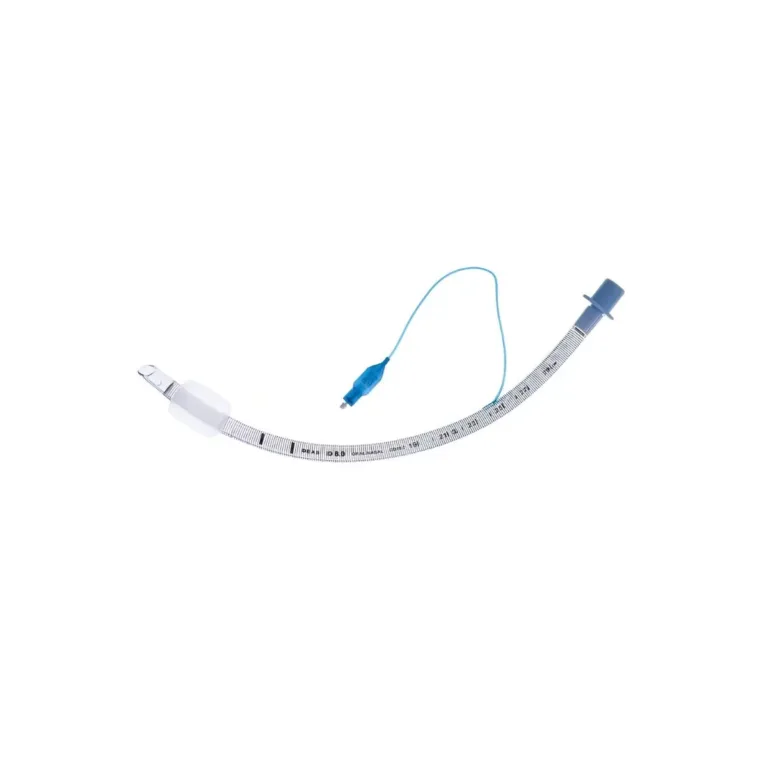
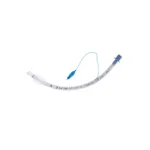 Reformed Endotracheal Tubes With Cuff
A family of cuffed tubes; it includes the reinforced references with a cuff.
-
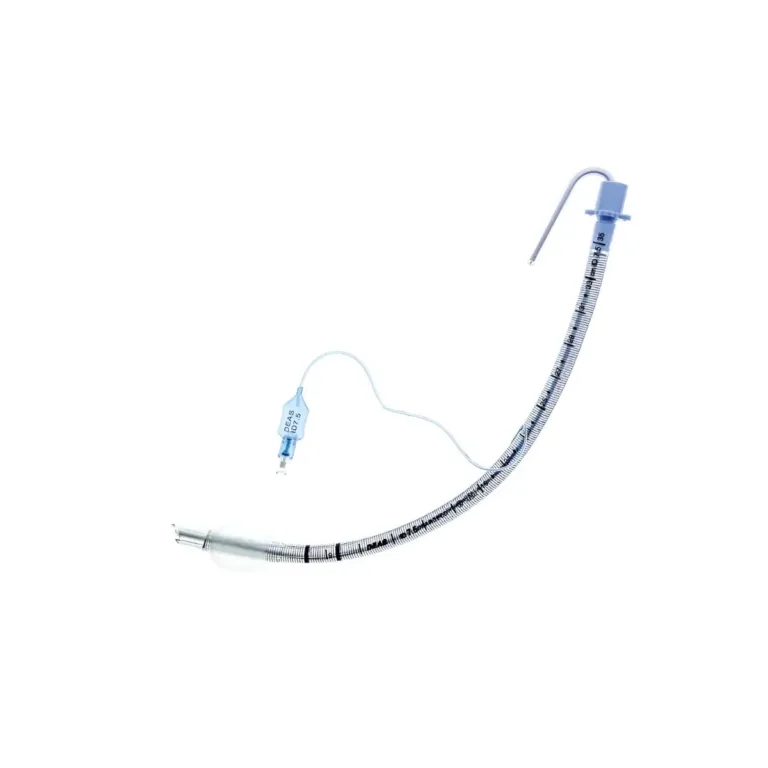
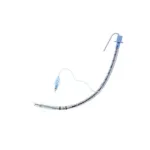 Tubos Endotraqueales Reformados Con Manguito Y Guia
It includes the presentations with a cuff and a stylet.
-
 Uncuffed Endotracheal Tubes
A general uncuffed alternative, for when sealing of the airway is not required.
-
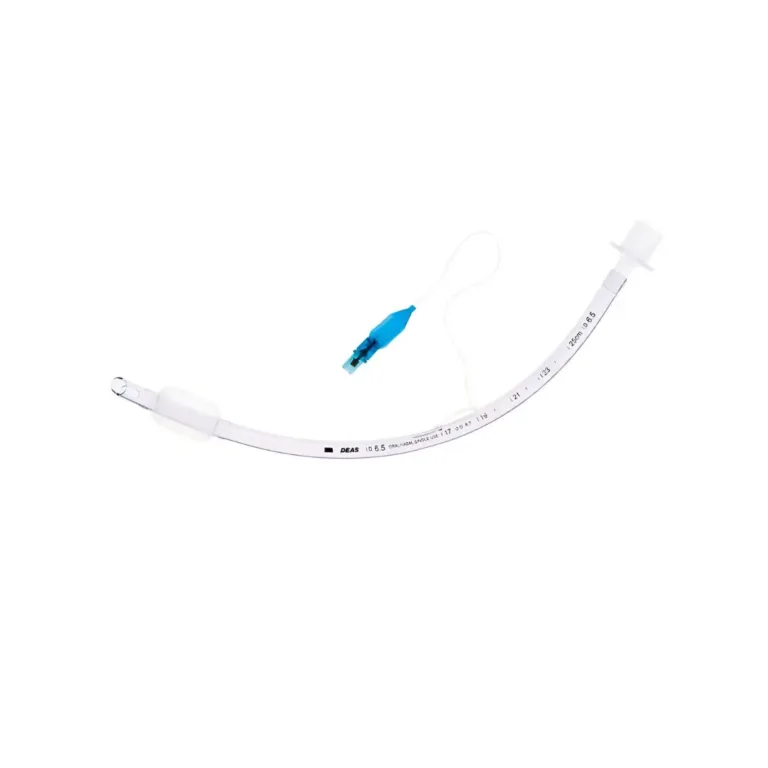
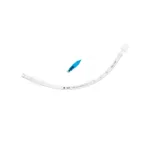 Cuffed Endotracheal Tubes
A general cuffed alternative, the other half of the purchasing decision.
-
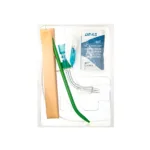 Endotracheal Tube Guides
Endotracheal tube stylets, a complement that is scaled according to the tube size.
Products in this guide
-
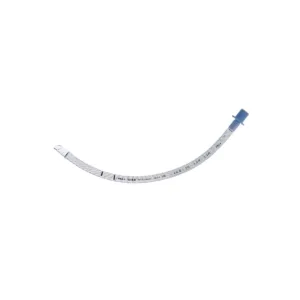
Reinforced Orotracheal Endotracheal Tube without Cuff with Murphy Eye – ID 5.5 mm (PVC, Box of 10 units) Ref. ETA055002A2
108,00 € In stockAdd to basket -
Orotracheal Endotracheal Tube Reinforced Without Cuff with Murphy Eye – ID 7.0 mm | Medical Grade PVC | Ref. ETA070002A2 | Box of 10 units
108,00 € In stockAdd to basket -
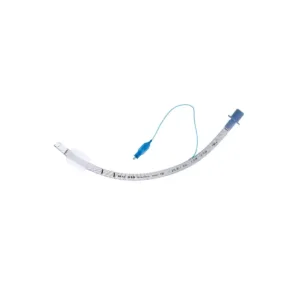
Reinforced Orotracheal Endotracheal Tube with Cuff and Murphy Eye – ID 7.0 mm | Medical-Grade PVC | Box of 10 units (Ref. ETA070C02A2)
99,80 € In stockAdd to basket -
Reinforced Orotracheal Endotracheal Tube without Cuff with Murphy Eye – ID 8.0 mm | Medical-Grade PVC, Box of 10 units (Ref. ETA080002A2)
108,00 € In stockAdd to basket -
Reinforced Orotracheal Endotracheal Tube without Cuff with Murphy Eye – ID 8.5 mm | Medical-Grade PVC, Box of 10 units (Ref. ETA085002A2)
108,00 € In stockAdd to basket -
Reinforced Orotracheal Endotracheal Tube Without Cuff with Murphy Eye – ID 9.5 mm, PVC, Box of 10 units (Ref. ETA095002A2)
108,00 € In stockAdd to basket -
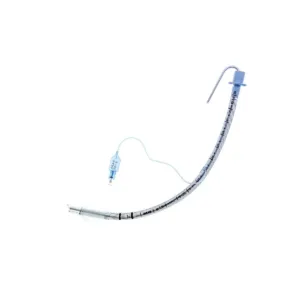
Reinforced Orotracheal Endotracheal Tube with Cuff, Guide and Murphy Eye ID 9.5 mm (approx. 38 Fr) – Medical Grade PVC | Box of 10 units
118,95 € In stockAdd to basket -
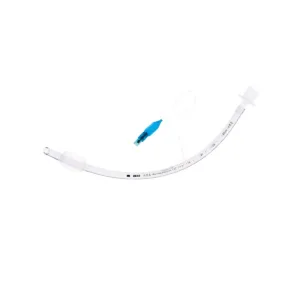
Orotracheal Endotracheal Tube with Cuff and Murphy Eye – ID 5.5 mm (Medical-Grade PVC) | Box of 10 units (Ref. ETAN55C02)
16,05 € In stockAdd to basket
Buying and selection tips
-
Internal and outer diameter are not the same measurement
The internal diameter is the standardised size of the tube, whereas the outer diameter changes from one model to another for the same internal diameter. Reinforced tubes have a larger outer diameter than a conventional tube of the same number, so compare both figures.
-
Settle first whether the tube has a cuff
The cuff divides the references into two large groups and its type varies by model: high-volume low-pressure, tapered, ultra-thin polyurethane or foam. As there are cuffed and uncuffed tubes, decide this point before comparing sizes.
-
Consider reinforcement against kinking
A reinforced tube incorporates a ringed or metal spiral reinforcement and for that reason its outer diameter is larger. Consider whether reinforcement is a purchasing requirement and compare each reference with and without reinforcement.
-
Check the tip: Murphy eye or Magill type
The Murphy eye is an opening near the tip of the tube, and not all models include it: there are also Magill-type tubes, with no eye. Set it as a requirement and check it reference by reference.
-
Material and radiopaque line
The tube may be made of PVC, silicone or polyurethane. Some models incorporate a radiopaque line. Check the material and the components declared on each reference.
-
15 mm connector: check it against the circuit
The universal 15 mm connector at the proximal end is the standard for connecting to the circuit. Before closing the purchase, confirm that the connector on the tube and the rest of the circuit share that standard.
Frequently asked questions
What is the difference between a reinforced and a non-reinforced tube?
The reinforced tube incorporates a ringed or metal spiral reinforcement and for that reason its outer diameter is larger than that of a non-reinforced tube of the same number.
How do I decide between a cuffed and an uncuffed tube?
It is a purchasing decision that depends on the references you need. The cuff may be high-volume low-pressure, tapered, ultra-thin polyurethane or foam, and each type corresponds to different models.
What should I check about the diameter before buying a tube?
Distinguish the internal diameter, which is the standardised size, from the outer diameter, which varies between models. Two tubes of the same number may have a different outer diameter, especially if one is reinforced.
What should I check on the connector before buying the tube?
That it is a universal 15 mm connector, which is the one that connects to the ventilator or the resuscitation bag.
Do all orotracheal tubes include a stylet?
No. Some presentations include a stylet and others do not. Check the description of each reference and the endotracheal tube stylet family if you need one separately.
Common questions
Believing that the internal diameter defines the thickness of the tube
The internal diameter is the standardised size, but the outer diameter changes between models for the same internal diameter, and reinforced tubes have a larger outer diameter.
Confusing the Murphy eye with the Magill-type tip
The Murphy eye is a distal opening that some tubes incorporate; Magill-type tubes do not have one. Settle which you want before comparing references.
Believing that reinforced and cuffed are the same feature
They are independent features: there are reinforced tubes with and without a cuff. Define both requirements before comparing references.