
Rapid diagnostic tests: buying guide
68 products in the catalogue
A rapid diagnostic test is a chromatographic immunoassay that gives a qualitative result within minutes and without laboratory equipment. The formats in the range are cassette, test strip and collection cup, for swab, saliva, urine, stool or whole blood samples, depending on the test.
The range is wide: it includes tests for group A streptococcus, influenza A and B, SARS-CoV-2 antigen, gastric bacteria, cardiac markers, C-reactive protein, faecal occult blood, pregnancy, chlamydia and panels for detecting several drugs in urine or saliva. What you buy is a sealed consumable whose expiry date determines stock rotation. For that reason the purchasing decision rests on details that do not always appear in the product name: which sample it accepts, which user it is intended for, what the kit contains and how it is supplied. This guide sets out those criteria.

Other related families
-
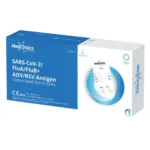 Respiratory Disease Rapid Tests
Groups respiratory pathogen tests, where the choice between a single test and a multiple panel is concentrated.
-
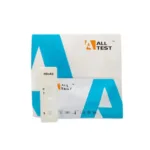 Rapid Tests for Infectious Diseases
Brings together infectious disease tests by antigen or antibody.
-
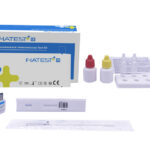 Rapid Tests
Lets you see the whole range of rapid tests and compare cassette and strip formats before deciding on the pack size.
-
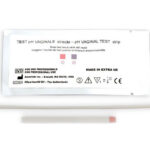 Other Rapid Tests
Covers rapid tests that do not fit the previous families by analyte or by use.
-
 Analysers and Test Strips
Of interest when the rapid test is accompanied by test strips or readers and the purchase is approached as a system.
Products in this guide
- Box OF 20 11
- Box OF 25 9
- Box OF 40 5
- Kit 5
- Box OF 10 4
- Box OF 1 3
- Unit 3
- Box OF 100 2
-
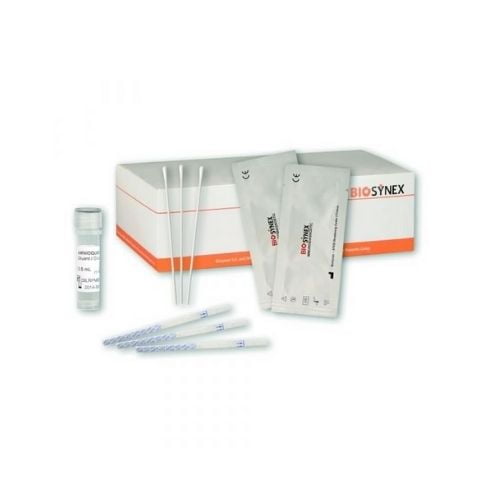
Amnioquick Test Amniotic Sac Rupture IGFBP-1 in Test Strips | Box of 10 Units | Ref. 431006N-20
129,00 € In stockAdd to basket -
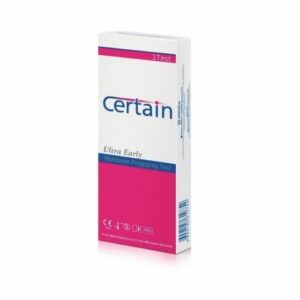
Certain® Ultra Early Pregnancy Test – hCG Detection in Urine (10 mUI/ml) | Box of 10 Units | Ref. 0110022
9,40 € In stockAdd to basket -
Sale!
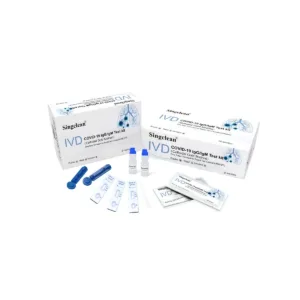
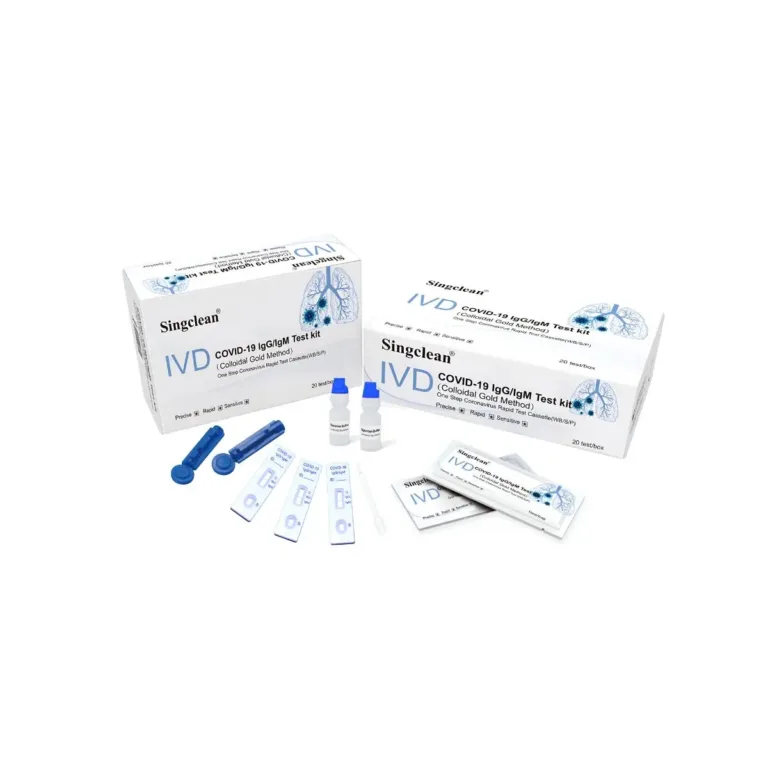
Rapid COVID-19 Antibody Test IgM/IgG (SARS-CoV-2) | Dual-Band Cassette by Immunochromatography with Colloidal Gold for Whole Blood, Serum or Plasma | Professional Use | Box of 20 Tests
Original price was: 86,15 €.79,90 €Current price is: 79,90 €. In stockAdd to basket -
Sale!
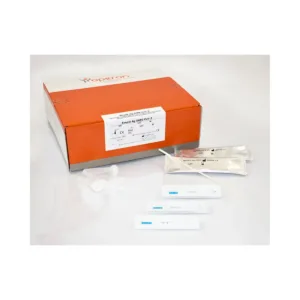
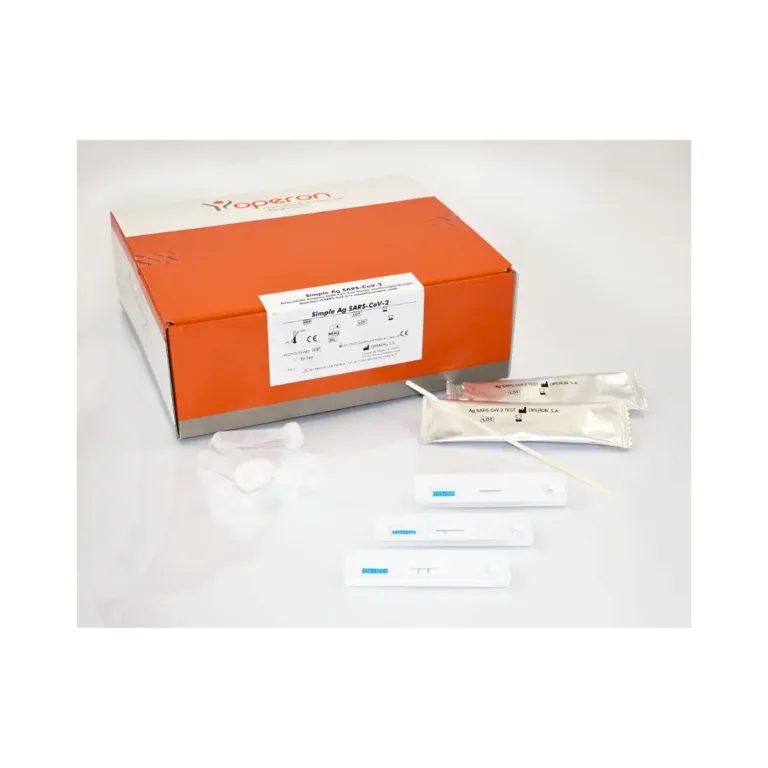
Operon SIMPLE/STICK Ag SARS-CoV-2 COVID-19 Rapid Antigen Test – Qualitative Detection of Nucleocapsid Antigen in Nasal Swab, Lateral Flow Immunochromatography (CE-IVD), Professional Use in Healthcare Settings, Box of 20 Units
Original price was: 94,00 €.90,00 €Current price is: 90,00 €. In stockAdd to basket -
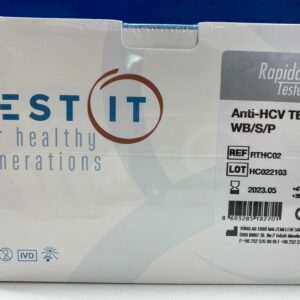
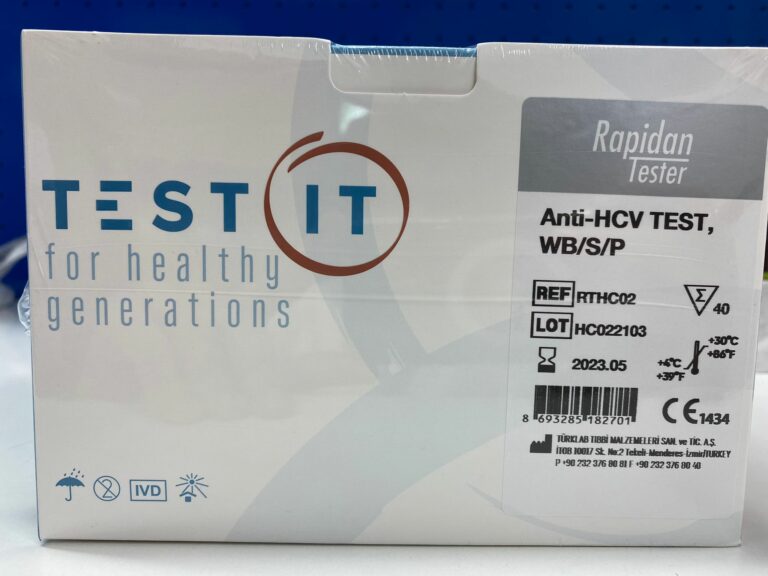
Rapid Test Hepatitis C Anti-HCV (RTHC02) – Immunochromatographic Cassette Blood/Serum/Plasma (S/S/P) – Box of 40 units – In Vitro Diagnostics CE | Ref. V05C-INFO
94,00 € In stockAdd to basket -
Dialab Diaquick Ovulation Test – LH urine test strips, box of 50 units (Ref. DIALAB Z06507CE)
18,22 € In stockAdd to basket -
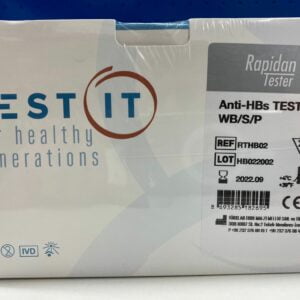
Rapid Test Anti-HBs Ab (Rapidian) Hepatitis B – Anti-HBs Antibodies in Blood, Serum and Plasma (S/S/P) – Box 40 uds | Ref. V05-1-INFO
90,00 € In stockAdd to basket -
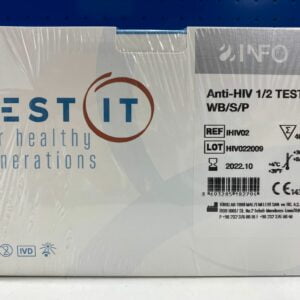
Rapid HIV AIDS 1/2 Ag/Ab Cassette Test (HIV-1/HIV-2 Antibodies and p24 Antigen) for Whole Blood, Serum or Plasma | Box of 40 Tests | Ref. V06-INFO
94,00 € In stockAdd to basket
Buying and selection tips
-
Format and sample come before price
A cassette, a test strip and a collection cup are not handled in the same way. Before completing the order, check which sample the device accepts (swab, saliva, urine, stool or whole blood), because they are not interchangeable.
-
Decide whether you need a single analyte or a panel
The range includes single tests and panels, such as influenza A and B or multi-drug panels for 7, 8, 10, 12 and 16 drugs. Consider whether the volume of use justifies the multiple panel or whether the single test is enough.
-
Confirm who will use the test
A device declared for self-testing, with a leaflet aimed at lay users, is not the same as one intended for healthcare professionals. This difference affects the leaflet and the conditions of use, and is worth settling before comparing similar models.
-
Review the performance stated by the manufacturer
Ask for the sensitivity and specificity data, together with the number of samples in the study that supports them and the type of sample used. A figure without context does not allow a comparison.
-
Check storage, expiry and contents
Consult the storage conditions and the expiry date of each reference, and do not use devices past their expiry date. Review the list of kit components, because not all kits include the same items and, where something is missing, it has to be planned for separately.
-
Choose the pack size according to consumption
Tests are supplied in boxes with different numbers of units, for example 20, 25 or 40. With low consumption, a small box avoids tying up stock that expires unused.
Frequently asked questions
When is it worth buying a multiple panel rather than several single tests?
When the workflow needs several analytes from the same sample, as with multi-drug panels or influenza A and B. If only one specific analyte is needed, the single test simplifies reading and storage.
Which pack size should I choose for a practice that runs few tests a month?
With low consumption, a small box avoids tying up stock that expires unused; large boxes are intended for continuous test runs. Always check the expiry date of each reference.
Is the same test suitable for self-testing and for professional use?
Not necessarily: there are references declared for self-testing and others intended for healthcare professionals, with similar names and formats. Settle the intended user and require the technical information that applies to your case.
What is the difference between the different sample types?
They are different collections and each device is validated for one or more of them: swab, saliva, urine, stool or whole blood. Choose the test whose sample type your facility can obtain.
How is performance assessed if each manufacturer presents its own figures?
By putting the figures in context: the number of samples in the study, the type of sample used and the reference method. Ask the supplier for that information.
Common questions
Believing that all rapid tests are for self-testing
This is not the case: there are devices intended expressly for healthcare professionals and others declared for self-testing, sometimes with similar presentations. The difference affects the leaflet and the conditions of use.
Assuming that any cassette is suitable for any sample
The format may be the same, but the validation is not. The accepted sample is a purchasing criterion, not a minor detail.
Thinking that all kits include the same components
Not all kits include the same auxiliary items. Review the component list of each reference and plan separately for whatever is missing.
More products in this guide
-
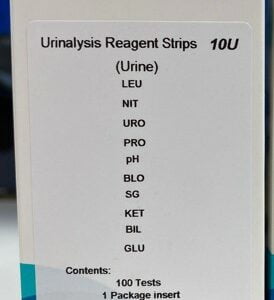
10-parameter urine analysis reagent strip test (LEU/NIT/URO/PRO/PH/BLO/SG/KET/BIL/GLU) – Professional box of 100 strips for in vitro diagnostics | Ref. V70-ISY402
11,90 € In stockAdd to basket -
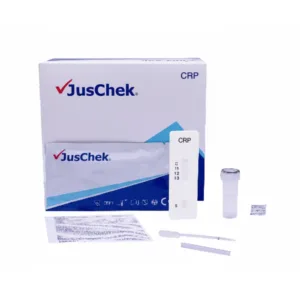
CRP Semi-Quantitative Rapid Test (C-Reactive Protein) | Immunochromatographic Cassette for Whole Blood, Serum or Plasma | Box of 10 Tests – CCR-U402
In stockRequest a quote -
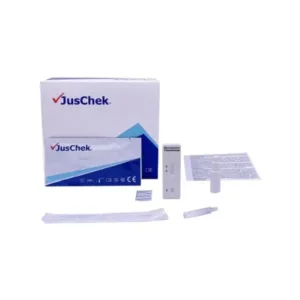
Mycoplasma pneumoniae Rapid Antigen Test (Oropharyngeal Swab) | In Vitro Diagnostic Cassette Test | Box of 20 Tests – IMP-502
In stockRequest a quote -
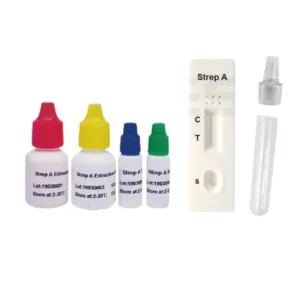
Rapid Test for Strep A Sore Throat | In Vitro Diagnostic TROD in Cassette with Oropharyngeal Swab | Box of 20 Tests – IST-N502
30,00 € In stockAdd to basket -
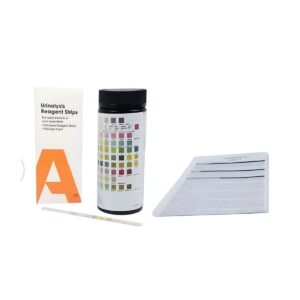
Rapid Cystitis Test – Urine Analysis Reagent Strips for Detection of Leucocytes, Nitrites and Proteins | Box of 100 Tests (Ref. T-CYST)
153,00 € In stockAdd to basket -
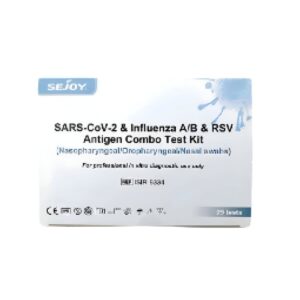
Combined COVID-19 / Influenza A and B / RSV Antigen Test | Multiplex Rapid Test with Nasopharyngeal Swab | Results in 15 Minutes (ISIR-9334)
46,75 € In stockAdd to basket -
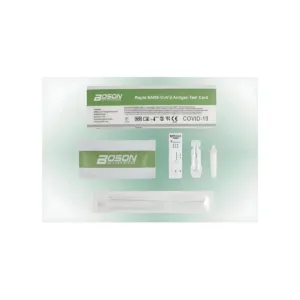
Rapid SARS-CoV-2 (COVID-19) Antigen Self-Test | Home Detection with Nasal Sample and Result in 15 Minutes
27,63 € In stockAdd to basket -
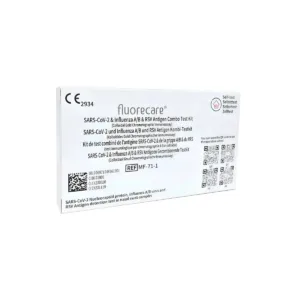
Combined Antigen Test Kit for SARS-CoV-2, Influenza A/B and RSV | Rapid Multiplex 4-in-1 Test with Nasopharyngeal Swab for Differential Diagnostics of Respiratory Infections at the Point of Care (IU-COVTESGVRS-1)
61,63 € In stockAdd to basket