
Antigen tests: buying guide
21 products in the catalogue
Antigen tests are lateral flow immunoassays that give a rapid qualitative result in a few minutes and do not require the processing of a conventional laboratory test. In healthcare they are bought mainly as respiratory tests, although the range also includes other rapid antigen tests.
Among the respiratory tests there are two groups: tests aimed at a single analyte, such as SARS-CoV-2, and combined panels that add influenza A and B, respiratory syncytial virus or adenovirus in the same device. Before deciding, settle the intended use (professional or self-testing), the type of sample and the presentation format.
Other related families
-
 Respiratory Disease Rapid Tests
Brings together the antigen tests for respiratory disease, which are the core of this buying guide.
-
 Rapid Tests for Infectious Diseases
Groups the rapid tests for infectious agents, where the combined panels for several viruses belong.
-
 Rapid Tests
Offers a broad view of rapid tests to compare formats and presentations before deciding.
Products in this guide
- Box OF 20 5
- Kit 3
- Box OF 1 2
- Box OF 25 2
- Unit 2
- Box OF 10 1
- Box OF 40 1
-
Sale!
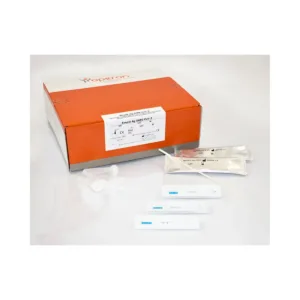
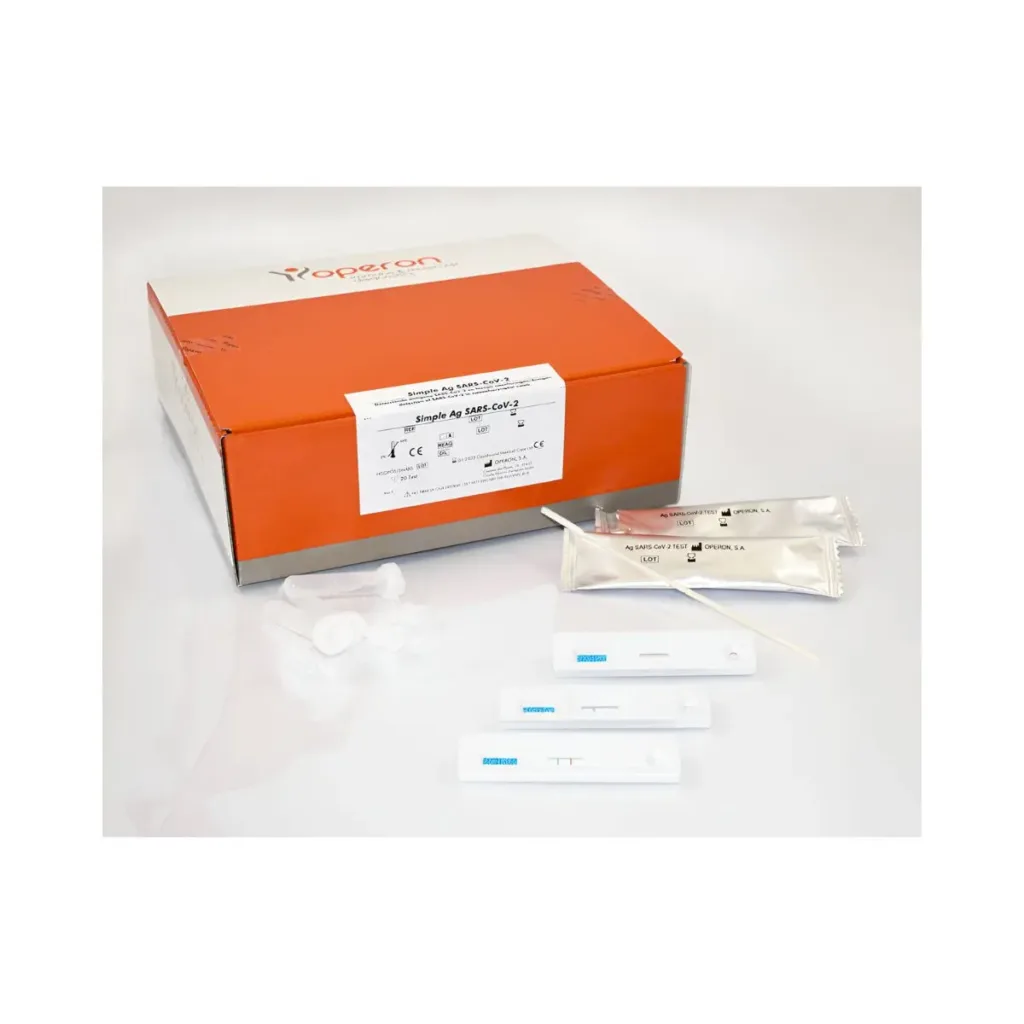
Operon SIMPLE/STICK Ag SARS-CoV-2 COVID-19 Rapid Antigen Test – Qualitative Detection of Nucleocapsid Antigen in Nasal Swab, Lateral Flow Immunochromatography (CE-IVD), Professional Use in Healthcare Settings, Box of 20 Units
Original price was: 94,00 €.90,00 €Current price is: 90,00 €. In stockAdd to basket -
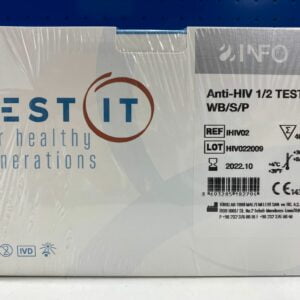
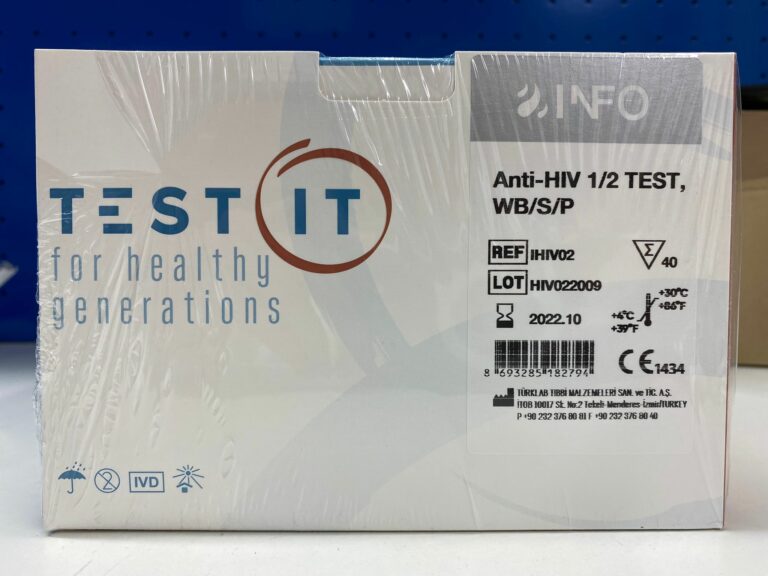
Rapid HIV AIDS 1/2 Ag/Ab Cassette Test (HIV-1/HIV-2 Antibodies and p24 Antigen) for Whole Blood, Serum or Plasma | Box of 40 Tests | Ref. V06-INFO
94,00 € In stockAdd to basket -
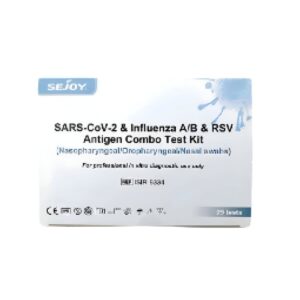
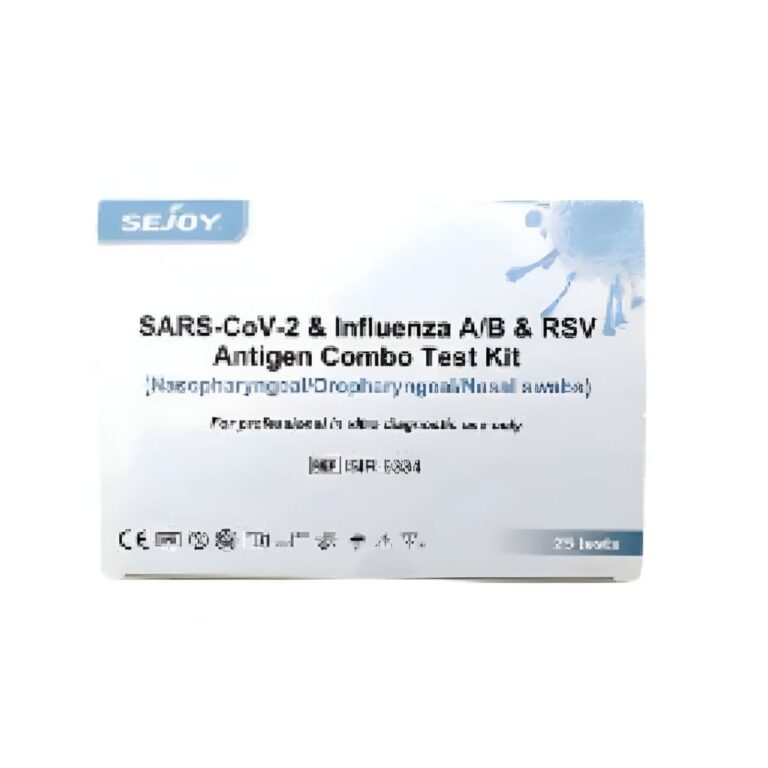
Combined COVID-19 / Influenza A and B / RSV Antigen Test | Multiplex Rapid Test with Nasopharyngeal Swab | Results in 15 Minutes (ISIR-9334)
46,75 € In stockAdd to basket -
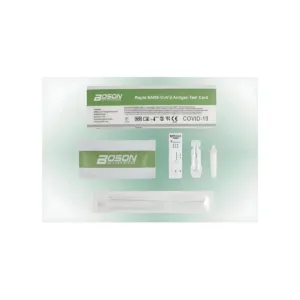
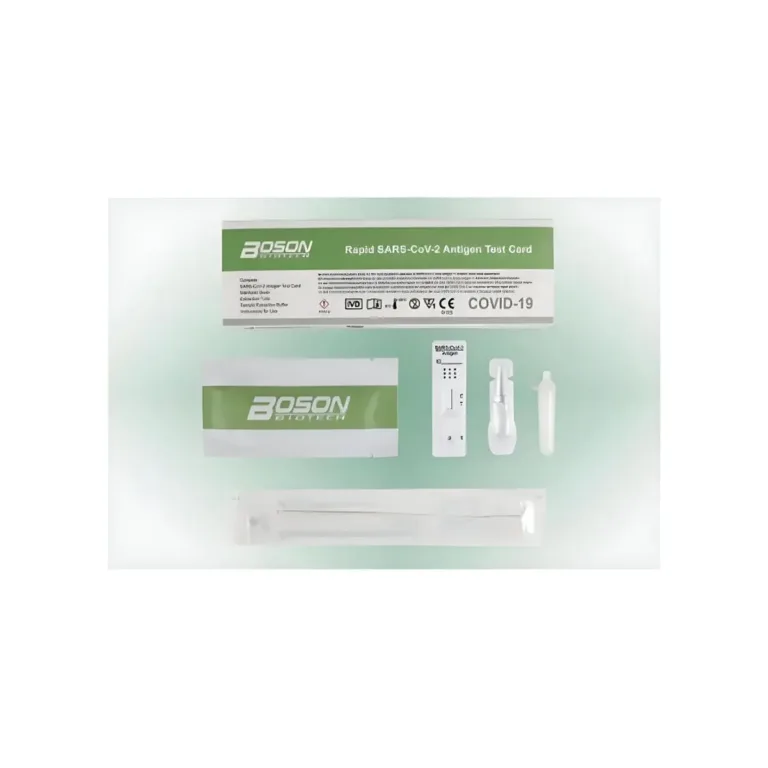
Rapid SARS-CoV-2 (COVID-19) Antigen Self-Test | Home Detection with Nasal Sample and Result in 15 Minutes
27,63 € In stockAdd to basket -
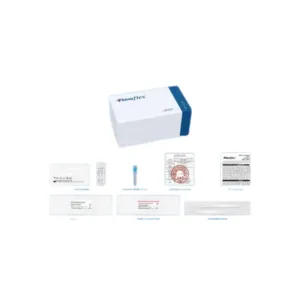
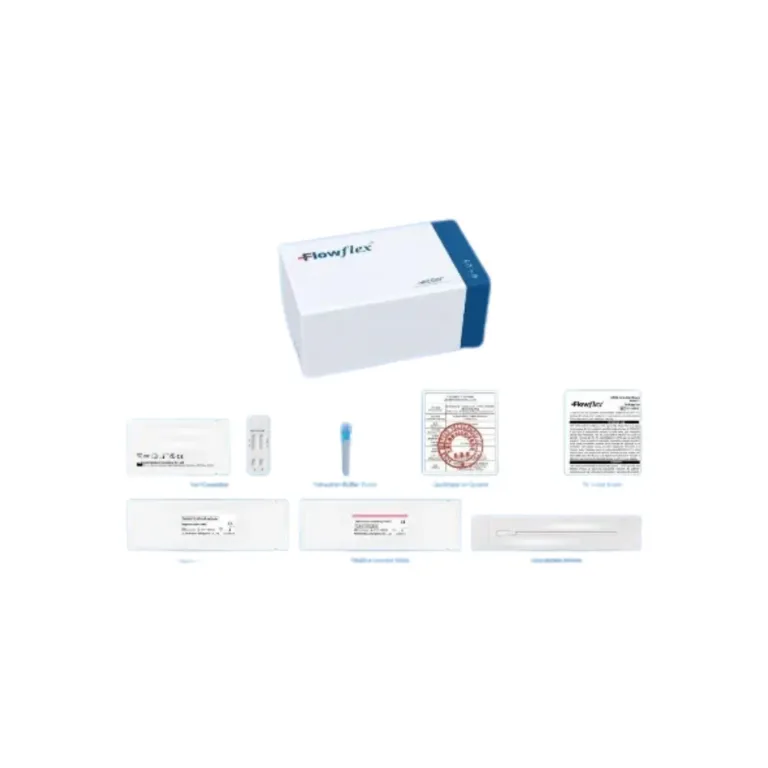
Flowflex™ SARS-CoV-2 (COVID-19) Rapid Antigen Test | Professional TROD in Cassette with Nasal and Nasopharyngeal Swab | Box of 25 Kits (L031-11815)
In stockRequest a quote -
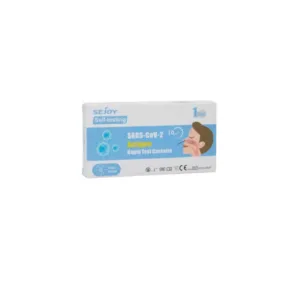
SEJOY Nasal SARS-CoV-2 Self-Test – Rapid COVID-19 Antigen Test for Personal and Professional Use | CE, ANSM and HAS Certified (CVD-AUTO-1241)
In stockRequest a quote -
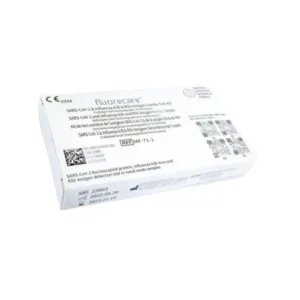
Multiplex 4-in-1 Self-test Covid-19 | Influenza A and B | RSV – Rapid Antigen Test with Nasal Swab fluorecare® (MF-71-1)
In stockRequest a quote -
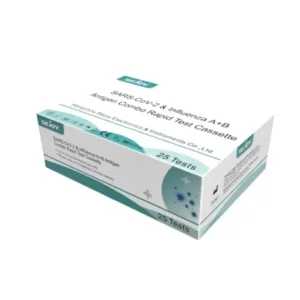
Professional-Use Multiplex Antigen Test SARS-CoV-2 | Influenza A and B for Adults – SEJOY 3-in-1 Kit in Lateral Flow Cassette, Box of 25 Tests with Swab (COIF-522)
In stockRequest a quote
Buying and selection tips
-
Professional use or self-testing
Not all antigen tests are intended for the same user: the range includes professional-use tests and self-tests. It is advisable to settle this before assessing presentations, because it determines the instructions leaflet and the user profile at which the product is aimed.
-
Single analyte or combined panel
A single-analyte test detects one antigen, such as SARS-CoV-2, whereas a combined panel adds several viruses (influenza A and B, respiratory syncytial virus, adenovirus) from the same sample collection. There are panels with 3, 4 and 5 parameters. The more parameters, the more lines there are to read on the cassette.
-
Type of sample to be collected
Each test states the sample for which it is designed: nasal swab, nasopharyngeal swab or saliva (oral fluid). Check the sample type for each product and always follow the manufacturer's instructions.
-
Kit composition and consumables
Check what the pack of each product includes: cassette, swab, tube and extraction solution and instructions for use. Some formats add other components. The number of tests per box determines how many consumables come with the order.
-
Storage and expiry
Tests have an expiry date and storage conditions given by the manufacturer. Check them for each product before sizing the facility's stock and do not use expired products.
-
Other antigen tests
In addition to respiratory tests, the range includes other rapid tests, such as those for PSA, whooping cough, chlamydia, gonorrhoea or mpox. Do not confuse them with respiratory ones when ordering: each has a different intended use.
Frequently asked questions
What is the difference between a single-virus test and a combined panel?
The first detects a single antigen, whereas the combined panel detects several viruses in the same sample. The choice depends on the viruses you want to cover and the type of sample each panel accepts.
Which intended use should I check before ordering an antigen test?
Check whether the product is for professional use or self-testing and which sample type is indicated. Each has a different instructions leaflet and user profile.
How does the box presentation affect the reordering of consumables?
The number of tests per pack is given alongside the components included and determines how many swabs, tubes and solutions come with the order. Calculate consumption to decide the presentation.
What is the difference between a saliva test and a nasal swab test?
They are distinguished by the sample type for which they are designed. Check the sample indicated for each product, because the material included in the kit depends on it.
Common questions
Confusing the number of tests per box with the number of pathogens detected
A box may contain several cassettes, but a single combined device reports on several analytes from one sample collection. They are different data and should be reviewed separately.
Believing that any swab is suitable for any test
Each device is used with the sample type for which it is designed. Check the sample type and the material included in each product.
Reusing tests or using opened kits
Tests are not reused, and damaged or opened kits must not be used, nor any kit past its expiry date.
More products in this guide
-
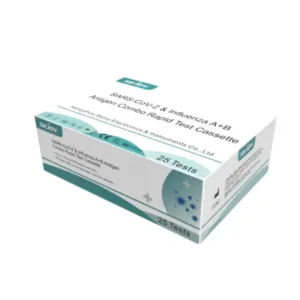
Professional Use Multiplex Antigen Test SARS-CoV-2 | Flu A and B for Children – SEJOY Kit of 25 Tests with Oropharyngeal Swab (COIF-522C)
In stockRequest a quote -
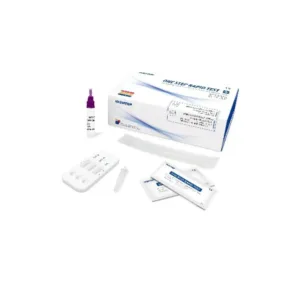
Professional Triplex Antigen Test Covid-19 | Influenza A and B | RSV Hightop – Simultaneous Detection of SARS-CoV-2, Influenza A/B and Respiratory Syncytial Virus in 10 Minutes | Box of 20 Kits (TES-H107)
In stockRequest a quote -
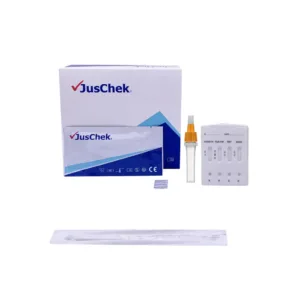
Quadruple Rapid Antigen Test SARS-CoV-2 / Influenza A and B / RSV / Adenovirus | Chromatographic Immunoassay in Cassette with Nasopharyngeal Swab | Box of 20 Kits (IRT-545)
In stockRequest a quote -
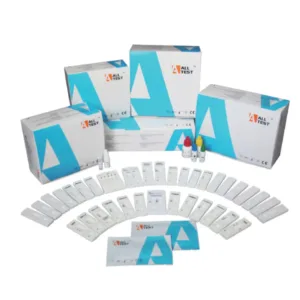
Rapid Gonorrhoea Detection Test in Cassette (Cervical/Urethral Swab) | Neisseria gonorrhoeae Antigen | ALLTEST Biotech JusChek® | CE-IVDR Class C | Ref. IGO-502
In stockRequest a quote -
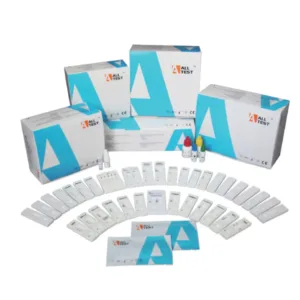
Rapid Chlamydia Test in Cassette | Antigen in Cervical Swab, Urethral Swab and Urine | Ref. ICH-502 | ALLTEST Biotech (CE-IVDR) | Professional In Vitro Diagnostic
In stockRequest a quote -
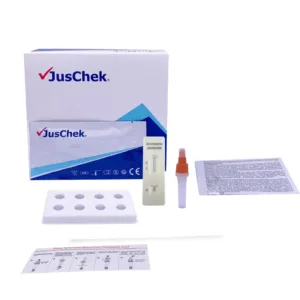
Bordetella pertussis Rapid Antigen Test (Whooping Cough) | In Vitro Diagnostic Test in Cassette with Nasopharyngeal Swab | Box of 20 Tests – IBP-502
In stockRequest a quote -
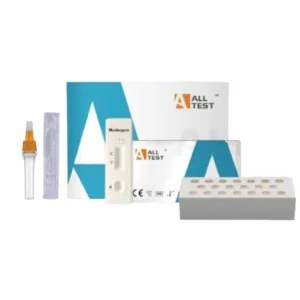
MPOX Virus Rapid Antigen Test (A29L, Clade Ib) – Immunochromatographic Cassette for Serum, Plasma, Whole Blood and Skin Swab | Professional Use (IMXG-402)
In stockRequest a quote -
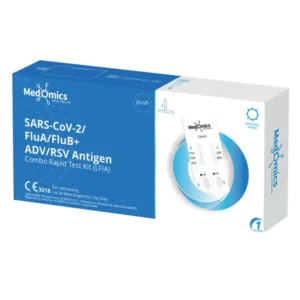
Rapid 5-in-1 Antigen Test SARS-CoV-2 / Flu A / Flu B / Adenovirus / RSV | Multiplex LFIA Combined Test with Nasal Swab for Diagnosis of Respiratory Infections | IRT-545-1
2,40 € In stockAdd to basket