
How to choose ECG electrodes
42 products in the catalogue
An ECG electrode is the part that puts the patient's skin in contact with the electrocardiograph or monitor. The backing, the gel and the connection affect adhesion and the stability of the recording, and they are the three features that vary from one reference to another.
They are used in monitoring, in ECG, in stress testing and in Holter recording, with adult, paediatric and neonatal formats. Disposable foam or non-woven electrodes, with solid or liquid gel, coexist with reusable clip or suction electrodes. Before settling on the reference, it is best to fix the type of recording, the patient type, the gel, the backing and, above all, the connection to the patient cable.
Other related families
- CARDIOLOGY AND ELECTRODES Groups cardiology electrodes and their accessories; it is the entry point when the format has not yet been decided.
-
 Paediatric Cardiology Electrodes
Brings together the paediatric formats, with sizes and connections designed for smaller patients.
-
 Radiotransparent Electrodes
References declared radiolucent, for patients undergoing X-ray, CT or MRI.
-
 ECG Forceps and Adapters
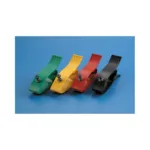
Reusable limb clips and adapters, in different sizes and sensor finishes.
-
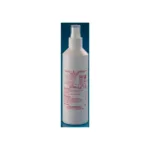 ECG EMG EEG EP Defibrillation Gels
Conductive gel is an essential consumable for reusable plate, clip and suction electrodes.
Products in this guide
- Single-use 30
- Reusable 8
- Foam 11
- Polyethylene 3
- Nylon / polyamide 2
- PVC 2
- Plastic 1
- Silicone 1
- Adult 10
- Paediatric 3
- Neonatal 1
- 30 Bag 9
- Bag OF 50 5
- Box OF 1000 3
- Box OF 50 3
- Bag OF 100 2
- Box OF 500 2
- Bag OF 25 1
- Bag OF 40 1
-
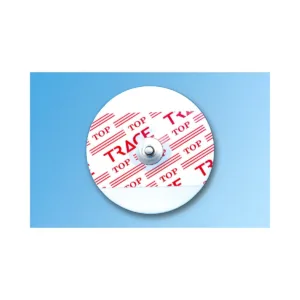
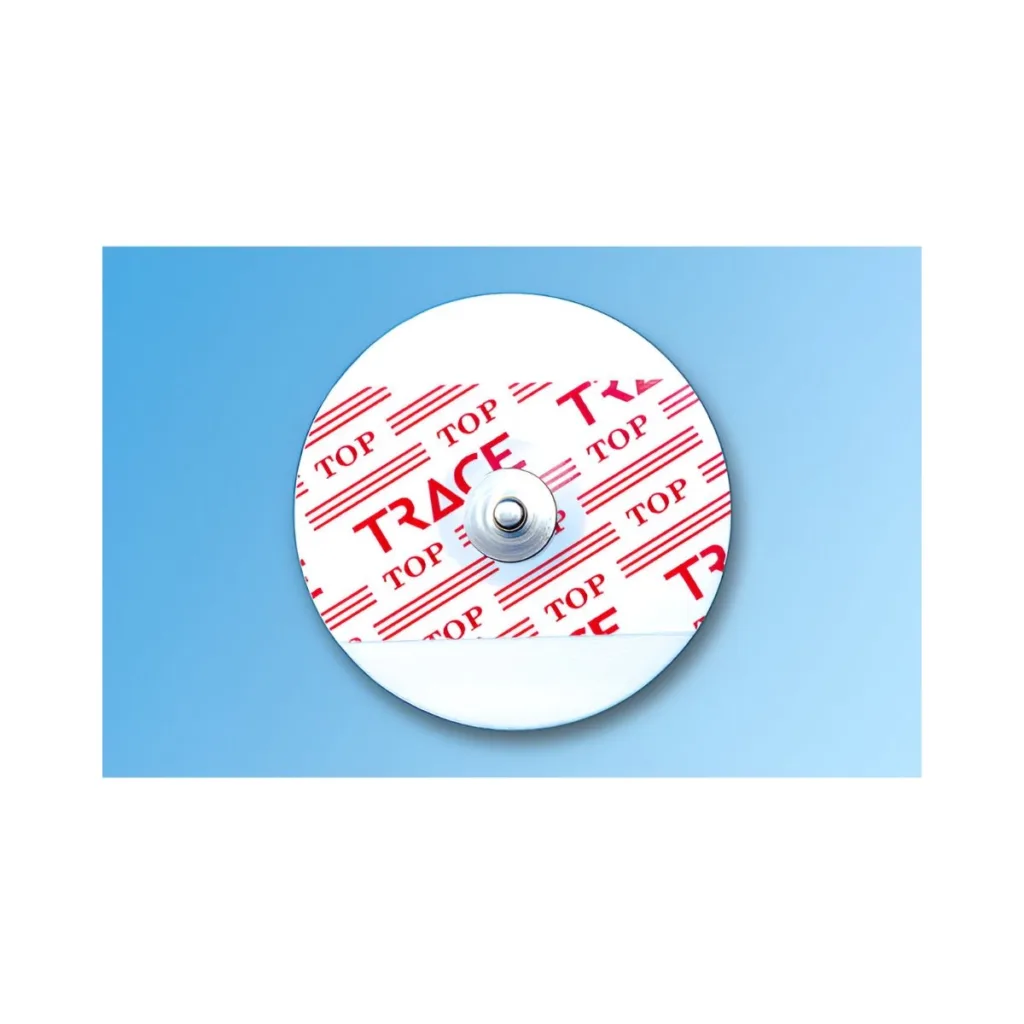
Disposable ECG electrode for Holter and stress test ST 50 RFI – Foam with solid gel Ø 50 mm – Top Trace line – Bag of 30 units and box of 600 units (SKU 0590028)
2,68 € In stockAdd to basket -
Sale!
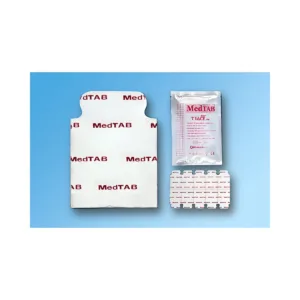
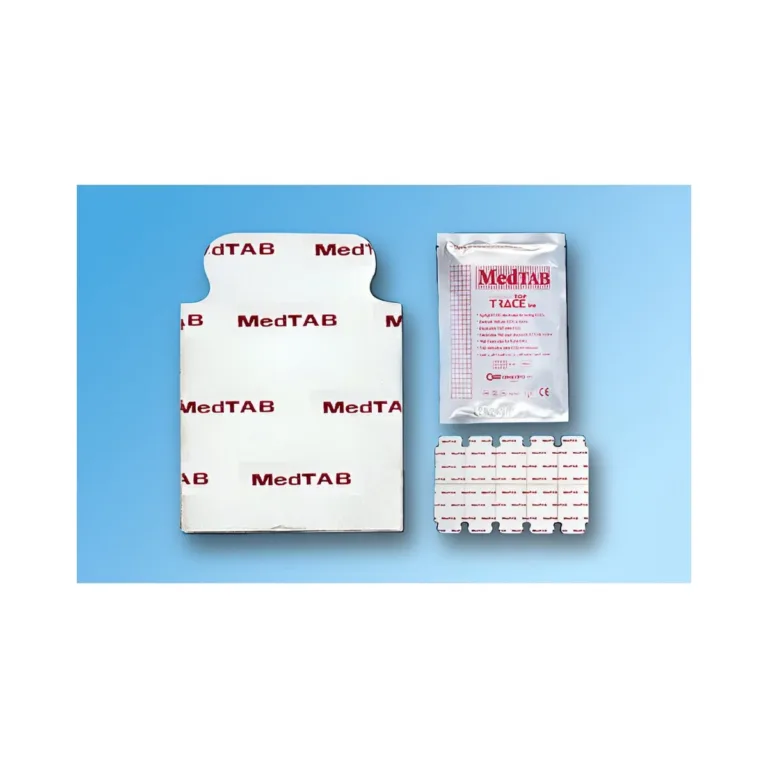
Disposable ECG electrode, seal type 23 x 34 mm with tab for crocodile clip – Silicone and solid gel – Bag of 100 units (SKU 590013)
Original price was: 3,68 €.3,00 €Current price is: 3,00 €. In stockAdd to basket -
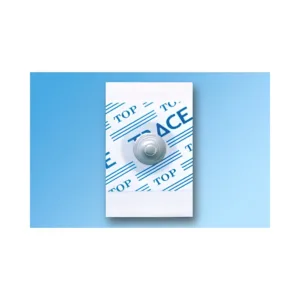
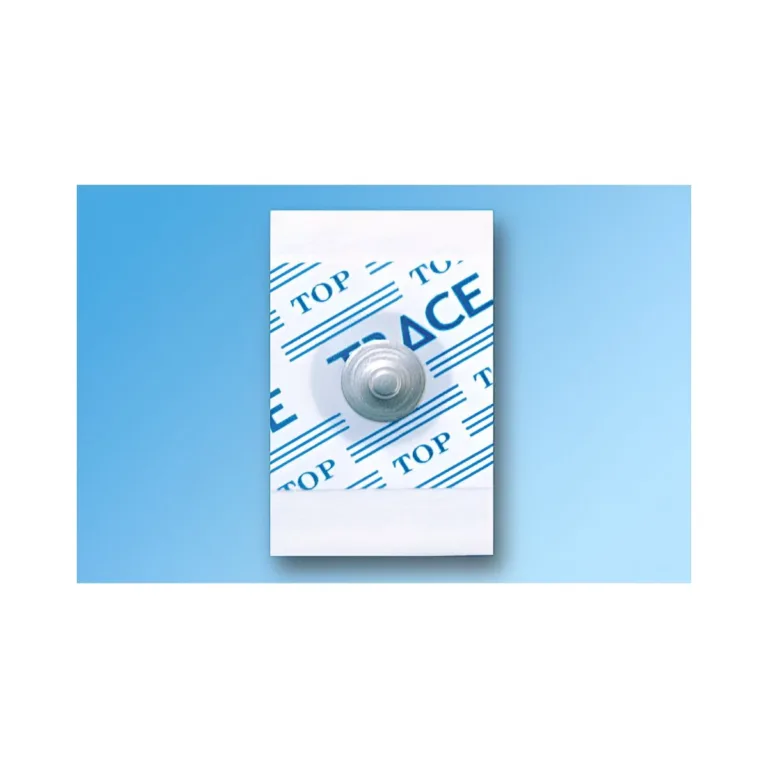
Disposable rectangular foam ECG electrode 28 x 44 mm with solid gel and press stud (snap) – Cardiac monitoring and electrocardiogram – Model NM 2844 RFS – Bag of 50 units and box of 1,250 units (SKU 16115)
3,15 € In stockAdd to basket -
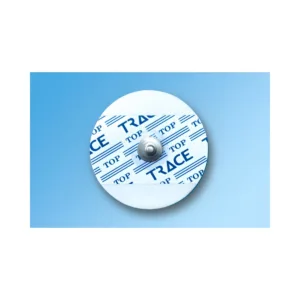
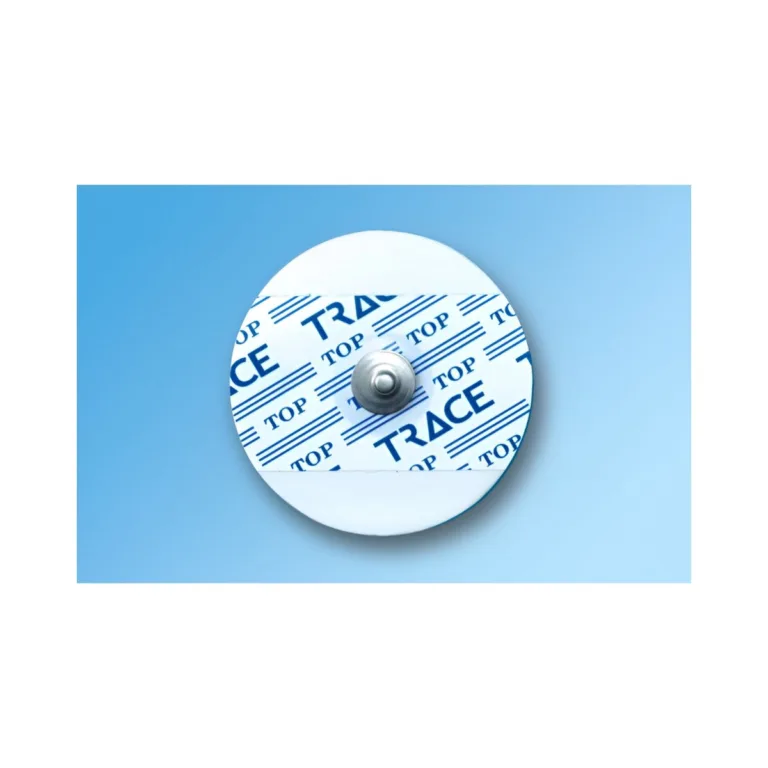
Circular foam ECG monitoring electrode Ø 50 mm with solid gel – Model NM 50 RFI (Ref. 13628), bag of 40 units and box of 800 units.
3,01 € In stockAdd to basket -
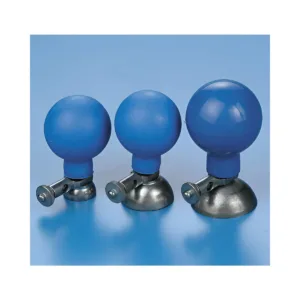
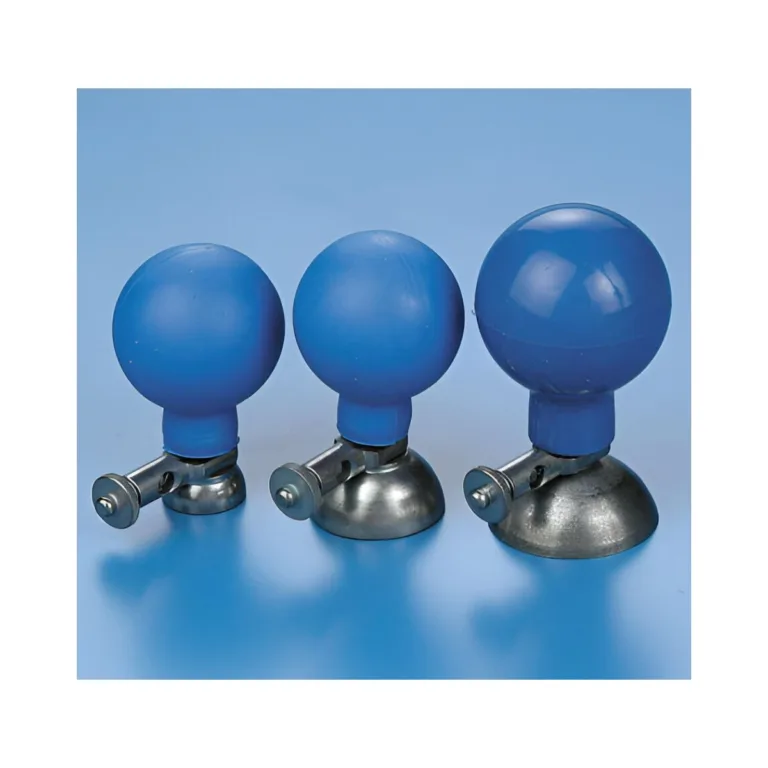
Paediatric suction electrode, suction cup type, Ag/AgCl Ø 15 mm for ECG · Reusable and universal connection · Indivisible pack of 6 units · SKU 10029
29,30 € In stockAdd to basket -
Chest suction electrode, suction-cup type, Ag/AgCl Ø 24 mm for ECG and cardiac monitoring · Reusable and universal connection · Indivisible pack of 6 units · SKU 0992053
32,30 € In stockAdd to basket -
Reusable thoracic suction electrode, suction-cup type Ag/AgCl Ø 30 mm for ECG and cardiac monitoring · Universal connection · Pack of 6 units (SKU 0590030)
33,30 € In stockAdd to basket -
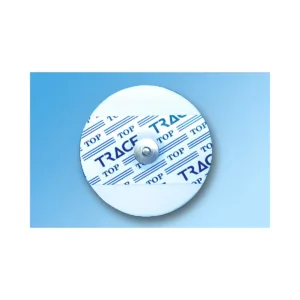
Disposable foam ECG electrode with liquid gel Ø 55 mm for monitoring and stress testing – Model NM 55 RLI, bag of 25 units and box of 500 (Ref. 14709)
2,00 € In stockAdd to basket
Buying and selection tips
-
Match the backing to the recording duration
Foam with solid gel maintains adhesion on skin that moves, and non-woven or microporous paper backings are offered for prolonged monitoring. The longer the electrode will stay on, the more it matters that the backing is thin and breathable.
-
Decide the gel before the size
The gel may be solid or liquid, and many formats share size and backing. The gel is what changes handling, so fix it before comparing measurements.
-
Check the connection to the patient cable
The same electrode may have a snap (press-stud) connection, a 4 mm banana adapter or a tab for a clip. Check the terminal on your equipment's cable and whether you need an adapter, because a different connector means changing the whole reference.
-
Choose the sensor according to intended use
Many electrodes have a silver/silver chloride sensor, both disposable ones and reusable clip or suction types, and some reusable metal parts have a nickel-plated finish. Keeping the same finish within a lead helps to produce a uniform trace.
-
Confirm radiolucency if imaging is involved
Radiolucent means the electrode can remain in place during X-ray or MRI without interfering with the image. Not all of them are. If the patient is going for imaging, order the reference that declares it.
-
Separate adult, paediatric and neonatal
Size and shape are chosen by patient type: there are round, oval, rectangular and teardrop formats, with diameters from 15 to 55 mm. There are specific electrodes for paediatric and neonatal use, and they should not be replaced by adult ones.
Compatibility
- Electrode with 4 mm banana adapter
- Some references are supplied with a snap connection and others with a 4 mm banana connector. If your equipment does not accept banana, you will need a lead wire adapter or a different reference.
Frequently asked questions
What is the difference between a solid gel and a liquid gel electrode?
They are two types of gel with different handling, and many formats share size and backing. The decision comes down to handling and the expected recording duration.
How do I check that the electrode fits my monitor's cable?
Check the connection type: press-stud snap, 4 mm banana-type connector or tab for an alligator clip. The connection must match the patient cable. If the terminal is different, change the reference instead of forcing the connection.
What options are there for paediatric and neonatal patients?
There are reduced-diameter paediatric electrodes and paediatric and neonatal references in foam with solid gel. It is advisable to go down a size and check the connection to the cable.
Do reusable clip or suction electrodes need anything else?
Yes. Clip, suction and plate electrodes are used with conductive gel, and plates are held in place with straps. Check that the order includes all the parts needed for the recording.
Common questions
Assuming one electrode suits any patient because the size is similar
Two electrodes with a similar footprint can differ in backing, gel and connection. Size and shape are chosen by patient type, and the connection must match the patient cable.
Confusing radiolucent with suitable for any recording
Radiolucent indicates that the electrode does not interfere with the image, not that it is suitable for every type of recording. Check that the reference declares its intended use, for example monitoring, Holter or MRI.
Buying reusable electrodes without the accompanying parts
Plates, clips and suction electrodes need straps or conductive gel. The height or length of the straps differs between adult and paediatric use.
More products in this guide
-
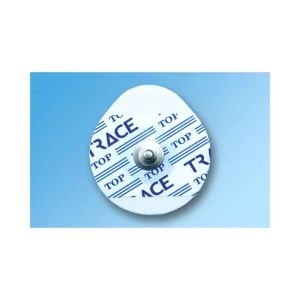
Electrode for monitoring and ECG, foam in the shape of a water drop Ø 42 mm with solid gel – Model NM 42 DFI (Ref. Cahnos 0590029) – Bag of 50 units, box of 1,200 units.
4,03 € In stockAdd to basket -
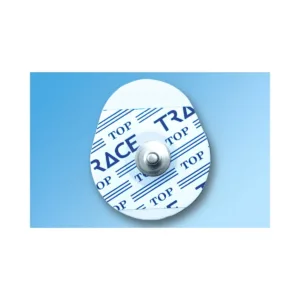
ECG monitoring electrode foam oval 42.5 x 36.5 mm with solid gel – Model NM 3642 OFI (Ref. 0590027), bag of 50 units and box of 1,200 units.
3,92 € In stockAdd to basket -
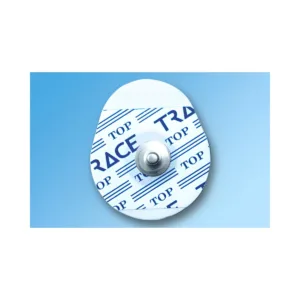
Disposable ECG electrode, oval foam 51 x 33 mm with solid gel and central press stud – Model NM 3351 OFI (Top Trace line) for adult cardiac monitoring – Bag of 30 units / Box of 600 units.
1,20 € In stockAdd to basket -
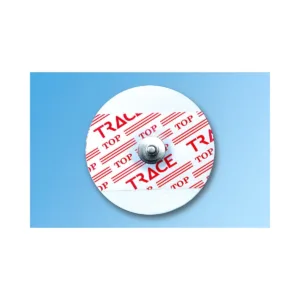
Disposable ECG electrode for stress testing ST 50 RLI – Foam with liquid gel Ø 50 mm with centred snap Ag/AgCl – Bag of 30 units, box of 600 (SKU 0590024)
2,10 € In stockAdd to basket -
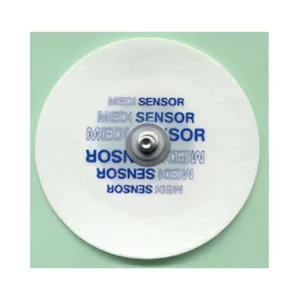
Disposable monitoring and ECG electrode in circular foam Ø 50 mm with liquid gel for adult – Model F 50 L (Ref. 15492), bag of 30 units and box of 1,200 units.
2,94 € In stockAdd to basket -
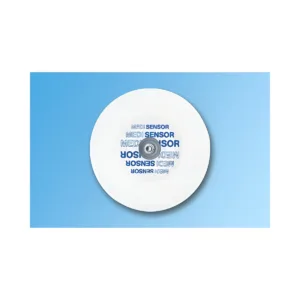
ECG foam electrode with liquid gel Ø 55 mm for monitoring and stress testing – Model F 55 L, bag of 30 units and box of 1,200 (SKU 11310)
3,12 € In stockAdd to basket -
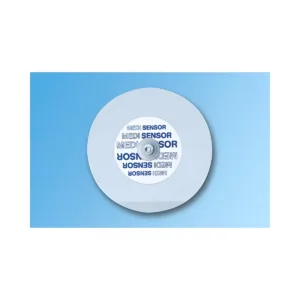
Disposable ECG electrode for Holter T-601 S – Microporous medical paper with solid gel Ø 55 mm and Ag/AgCl snap connector – Prolonged monitoring 24-48 h – Box of 1,500 units (Ref. 16003)
3,12 € In stockAdd to basket -

Disposable ECG electrode for stress testing FS 50 L – Foam with liquid gel Ø 50 mm – Bag of 30 units and box of 120 units (Ref. Cahnos 11312)
3,06 € In stockAdd to basket