
How to choose a pulse oximeter
30 products in the catalogue
A pulse oximeter is a non-invasive device that measures oxygen saturation (SpO₂) and pulse rate. It is used in the clinic, on the ward and also at home. The range is not uniform: fingertip, handheld, wrist, ring and tabletop formats are all available, powered by batteries or a rechargeable battery, and some have Bluetooth or PC software.
Before buying, settle the type of patient, the intended type of use (spot check or continuous monitoring) and the functions the device must have, because battery life, the availability of alarms and the ease of recording and downloading data all depend on them.
Other related families
Products in this guide
- Batteries 20
- Rechargeable battery 13
- Mains power 3
- Paediatric 7
- Adult 6
- II b 12
- II a 9
-
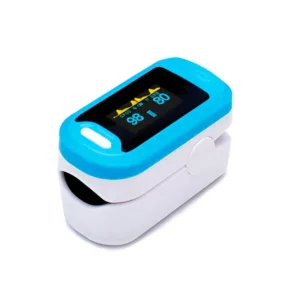
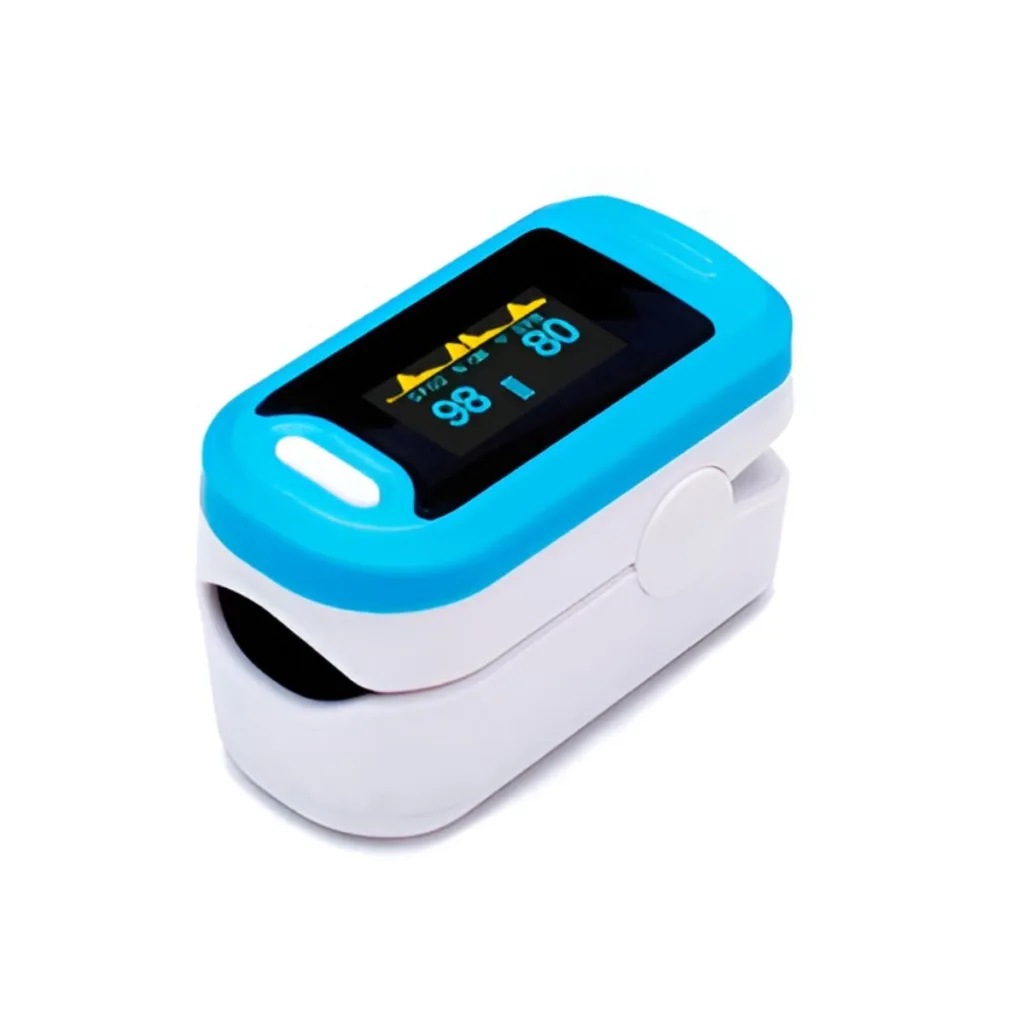
Finger pulse oximeter PULOX PO-200 (Ref. 713) | Portable SpO2 and heart rate monitor – Class IIa (CE MDD 93/42/CEE)
20,62 € In stockAdd to basket -
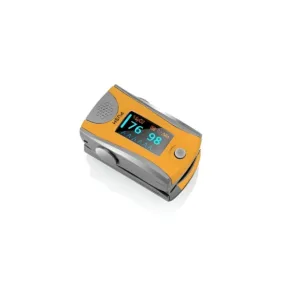
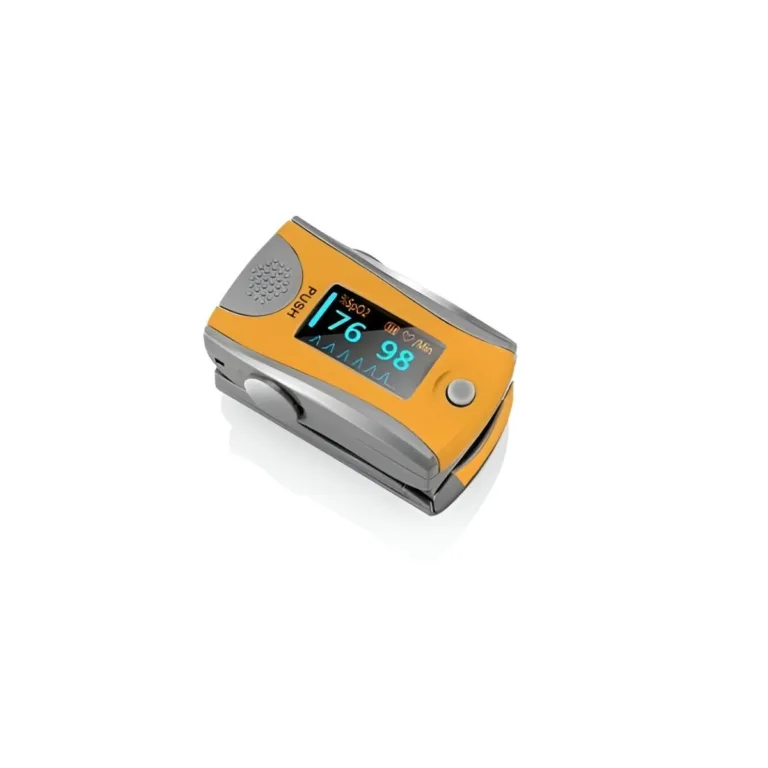
ME7 fingertip pulse oximeter with plethysmograph and colour OLED display: SpO₂ and heart rate monitor (CE MDD)
59,40 € In stockAdd to basket -
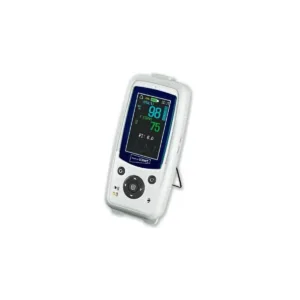
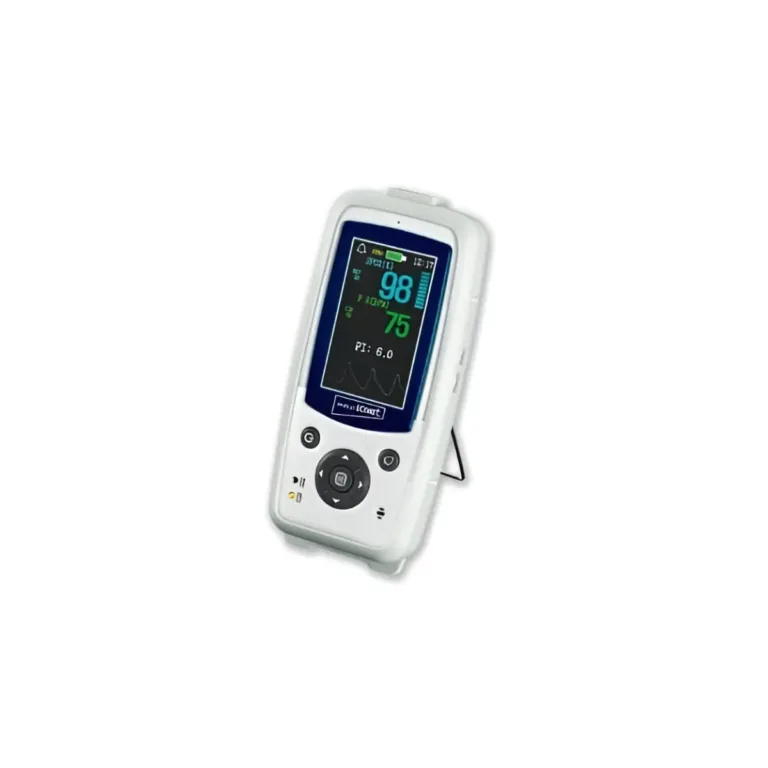
PalmCare Pro handheld pulse oximeter (ref. 40.50-2240) | SpO2 monitor with 3″ colour TFT screen, perfusion index (PI), 20-day trend memory and adjustable alarms for adults, paediatrics and neonates
358,20 € In stockAdd to basket -
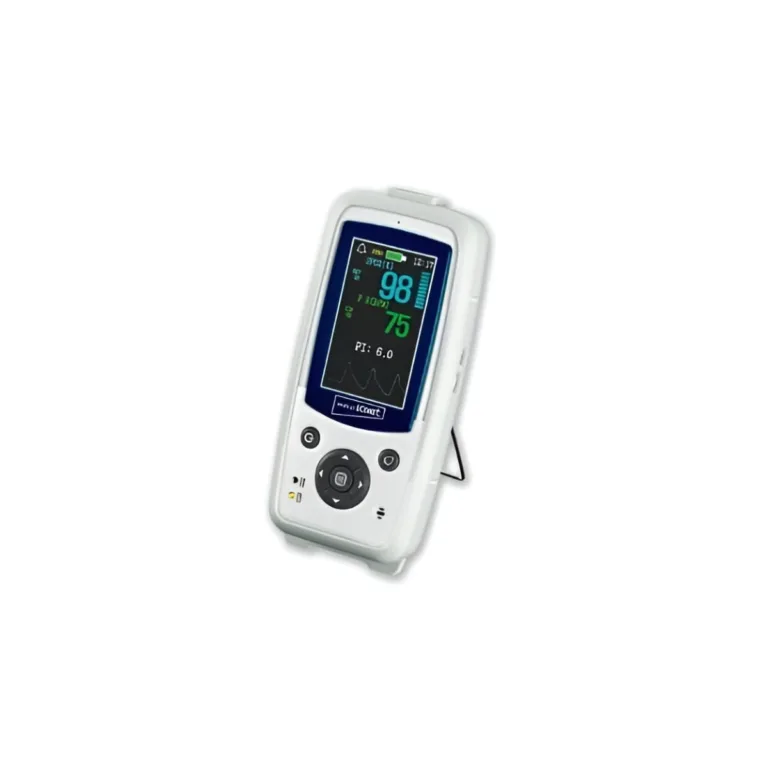
PalmCare Pro handheld pulse oximeter with rechargeable lithium-ion battery | SpO2 monitor with perfusion index (PI), 3″ colour TFT screen and 20-day trend memory
394,20 € In stockAdd to basket -
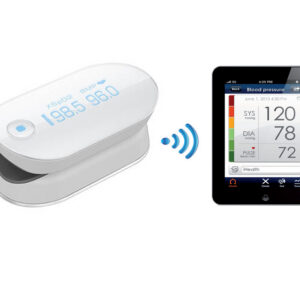
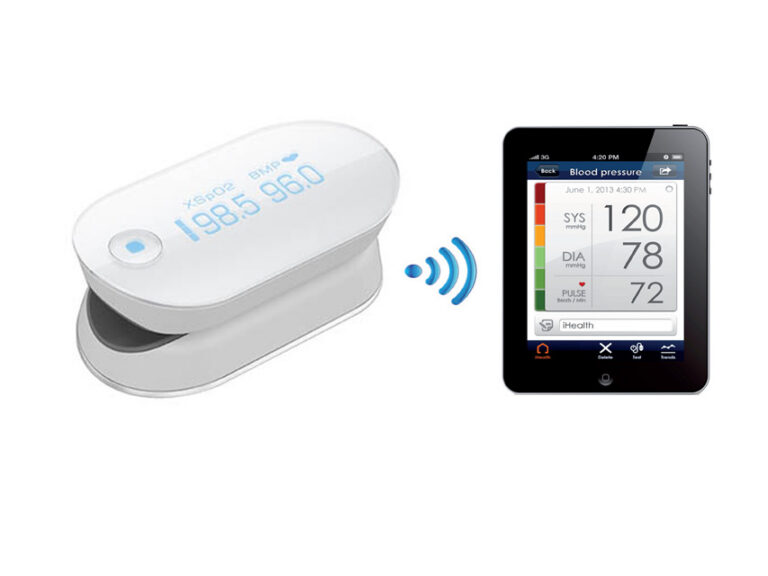
iHealth Air Wireless Fingertip Pulse Oximeter with Bluetooth 4.0 – SpO2, Pulse Rate and Perfusion Index Monitor (Ref. 23525)
82,65 € In stockAdd to basket -
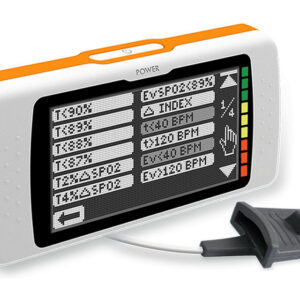
Portable 3D Pulse Oximeter Spirodoc Oximeter with MIR Spiro PC Software | Ref. 33533 (GM33533)
1.187,50 € In stockAdd to basket -
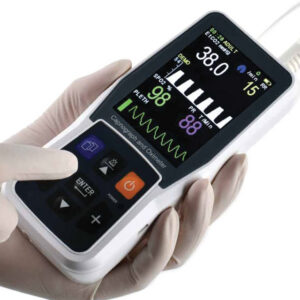
Portable Capnograph-Oximeter PC-900B | EtCO2, Respiratory Rate and SpO2 Monitoring with MoveOxy™ Technology (Ref. 33698)
1.710,00 € In stockAdd to basket -
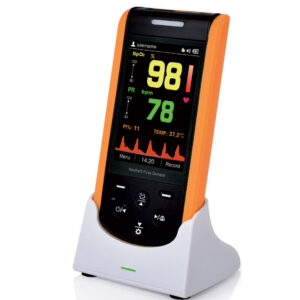
Portable Pulse Oximeter OXY-110 – SpO2, Pulse Rate (PR), Perfusion Index (PI) and Temperature Monitor with 3.5″ TFT Screen and Lithium Battery · Ref. 34341
170,05 € In stockAdd to basket
Buying and selection tips
-
Define the patient type before the format
There are fingertip pulse oximeters for adults and paediatric fingertip models. Decide the patient profile before choosing the model, and if you see several profiles, check which product suits each one.
-
Spot checks or continuous monitoring
Some devices are designed for spot checks and others support continuous recording, such as ring, wrist or tabletop models. If the intention is to monitor over several hours, rule out models that do not state prolonged use. This decision affects battery life.
-
Battery life and type of power supply
Choosing between disposable batteries and a rechargeable battery depends on how often the device is used and whether there is a fixed charging point. Check the battery life each product states and whether it includes a stand or charger.
-
Alarms, display and connectivity
Some models include an alarm, a display with a pulse waveform, Bluetooth or PC software. Settle which functions you need before comparing: not all devices include them, and handheld or tabletop units may offer more features than fingertip ones.
-
Special environments
There is a tabletop pulse oximeter described for use in MRI and a portable capnograph-oximeter. These are not general-purpose devices: choose the one that suits the environment and confirm the details in the product description.
Frequently asked questions
Which format should I choose for professional use on the ward?
The fingertip format is small and designed to be carried. The handheld one adds a display and more features. If prolonged monitoring is needed, rule out devices that do not support continuous use.
Is the rechargeable version worth it compared with the battery-powered one?
It depends on whether the device will have a fixed charging point. Check what each product includes (batteries, rechargeable battery, charger or stand) and the stated battery life.
Do I need alarms if I am going to monitor for long periods?
If the patient is monitored for hours, choose a model that states it has alarms; not all devices include them. Also check whether the alarms are adjustable.
Can I use the same device on adults and children?
Not necessarily: there are fingertip models for adults and paediatric models. If you see several profiles, check which product suits each one.
Is software or Bluetooth needed on a pulse oximeter?
It depends on whether you need to save or download the readings. Some models include Bluetooth or PC software; others only show the reading on the display.
Common questions
Believing that any pulse oximeter is suitable for continuous monitoring
Not all of them: some devices are designed for spot checks. If the purchase is for prolonged monitoring, verify this before deciding on the model.
Thinking that all devices include an alarm or connectivity
Alarms, Bluetooth and PC software vary by model. Check which ones each product includes.
Choosing the format without thinking about the patient
An adult fingertip device is not equally suitable for a paediatric patient; there are specific models for each profile.
More products in this guide
-
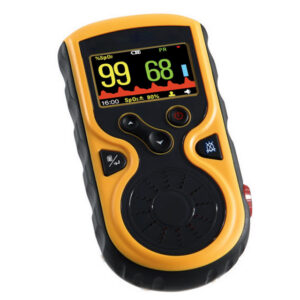
Portable pulse oximeter OXY-100 – SpO2, pulse rate and perfusion index (PI) monitor with 384 h storage (Ref. 34342) | GM34342
122,55 € In stockAdd to basket -
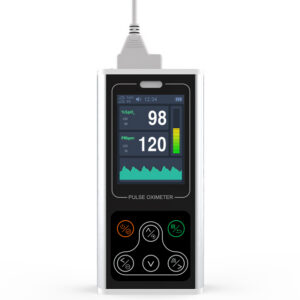
OXY-55 portable pulse oximeter with software – SpO2, pulse rate (PR) and perfusion index monitor with 2.8″ colour TFT screen (Ref. 35048)
142,50 € In stockAdd to basket -
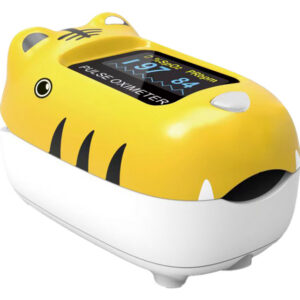
Paediatric finger pulse oximeter OXY-0 (tiger) – SpO2 and pulse rate monitor with colour LCD screen (Ref. 35056)
22,80 € In stockAdd to basket -
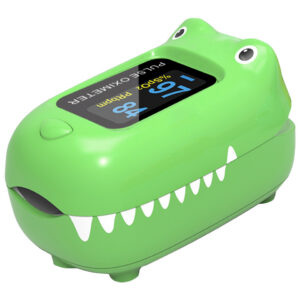
OXY-0 Paediatric Finger Pulse Oximeter (crocodile) – SpO2 and Pulse Rate Monitor with Colour LCD Screen (Ref. 35057)
22,80 € In stockAdd to basket -
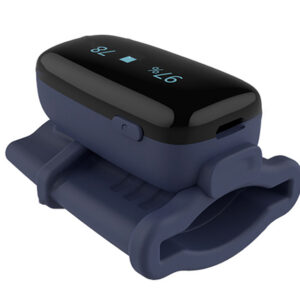
OXYFIT Finger Pulse Oximeter with Bluetooth – Continuous SpO2 and Pulse Rate Monitor with OLED Screen, Rechargeable Battery and ViHealth App (Ref. 35058)
71,25 € In stockAdd to basket -
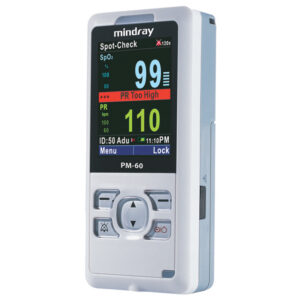
Portable Pulse Oximeter Mindray PM-60 – SpO2 and Pulse Rate Monitor with Spot-Check Mode | Ref. 35060
375,25 € In stockAdd to basket -
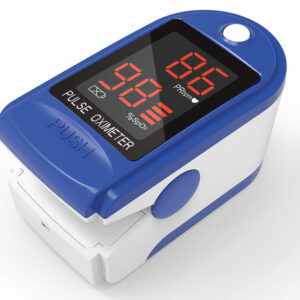
OXY-1 Finger Pulse Oximeter – SpO2 and Pulse Rate (PR) Monitor with LED Screen (Ref. 35069) · Manual IT, HR, FI, LV, BG, Arabic
13,30 € In stockAdd to basket -
Finger Pulse Oximeter OXY-1 with LED Display – SpO2 and Pulse Rate Monitor (Ref. 35070) · Manual GB, PT, GR, DK, NL, RO
13,30 € In stockAdd to basket