Portable pulse oximeter: buying guide
9 products in the catalogue
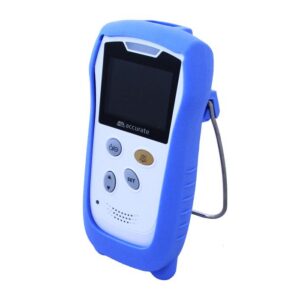
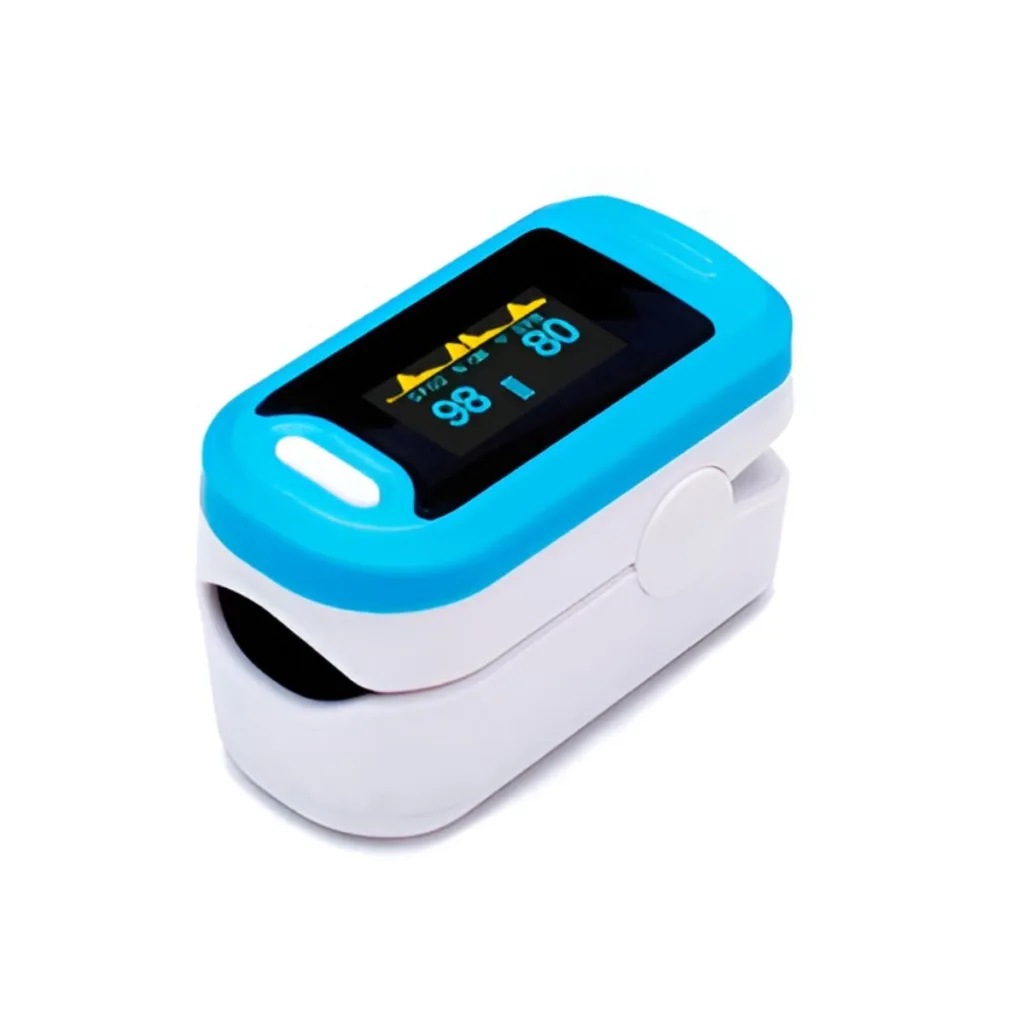
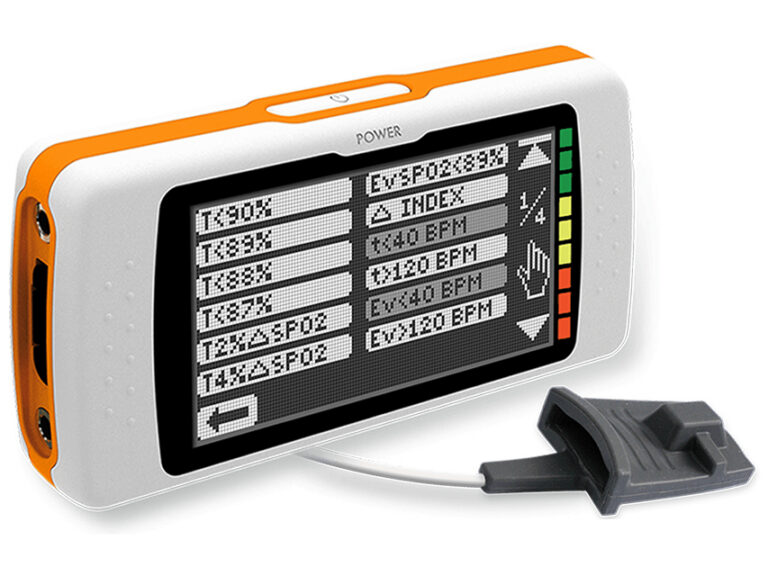
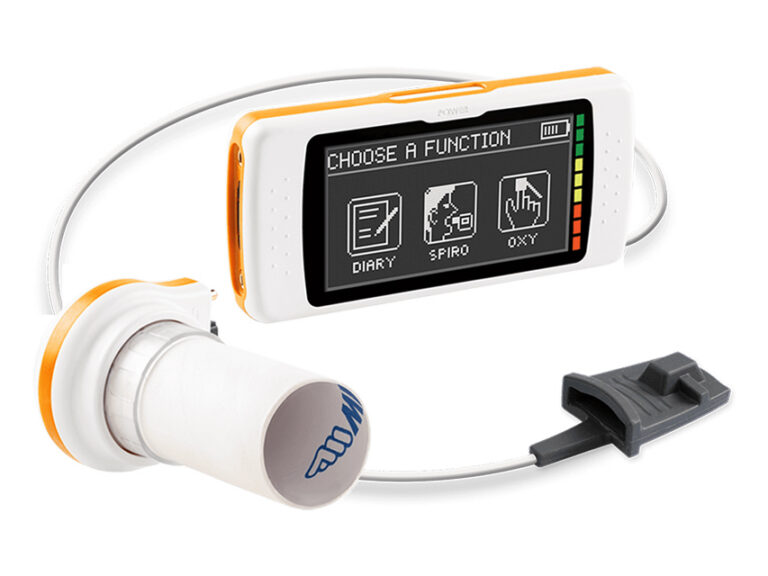
A portable pulse oximeter is a non-invasive device that displays oxygen saturation (SpO2) and pulse rate. The products include fingertip units, handheld monitors, a tabletop model and units with software for downloading the data, as well as a device that combines spirometry and pulse oximetry.
Format matters: a fingertip unit designed for a quick reading is not the same as a handheld or tabletop monitor with more features. Before deciding, it is worth organising your needs into blocks: power supply and battery life, the type of user the device is aimed at, stated accuracy, how the information is recorded or sent, and accessories for daily use.
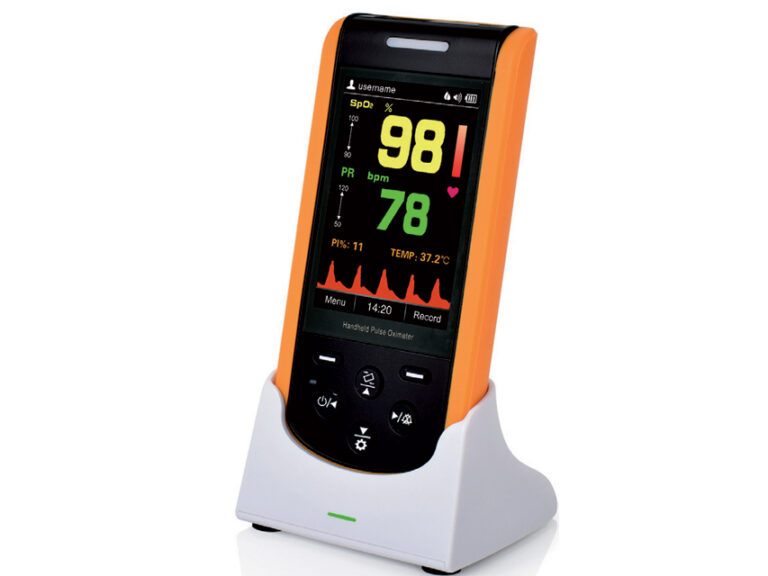
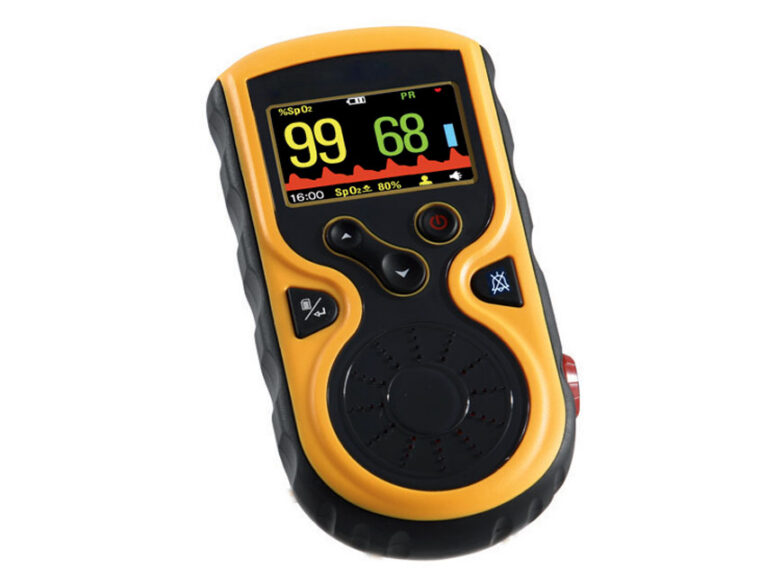
Other related families
-
 Vital Signs Monitors
Groups the monitors that display SpO2 and pulse rate, the core of this guide.
- DIAGNOSTIC DEVICES Brings together the portable diagnostic equipment to which saturation measurement belongs.
-
 Vital Signs Monitor Accessories
Covers the sensors and spares that affect the cost of continued use.
Products in this guide
- Rechargeable battery 7
- Batteries 4
- Mains power 1
- Adult 3
- Paediatric 3
- II a 4
- II b 3
-
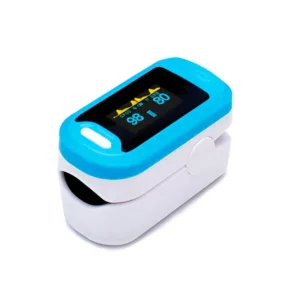
Finger pulse oximeter PULOX PO-200 (Ref. 713) | Portable SpO2 and heart rate monitor – Class IIa (CE MDD 93/42/CEE)
20,62 € In stockAdd to basket -
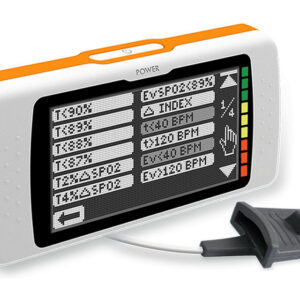
Portable 3D Pulse Oximeter Spirodoc Oximeter with MIR Spiro PC Software | Ref. 33533 (GM33533)
1.187,50 € In stockAdd to basket -
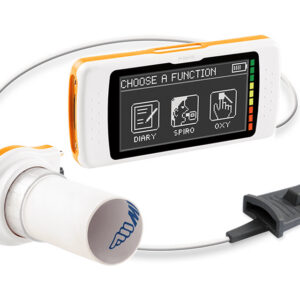
Spirodoc Portable Spirometer + Pulse Oximeter with MIR Spiro PC Software (Bluetooth) | Ref. GM33534
1.995,00 € In stockAdd to basket -
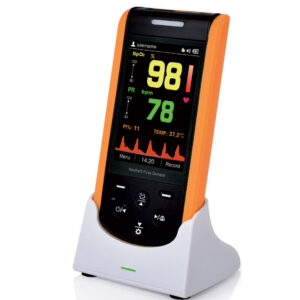
Portable Pulse Oximeter OXY-110 – SpO2, Pulse Rate (PR), Perfusion Index (PI) and Temperature Monitor with 3.5″ TFT Screen and Lithium Battery · Ref. 34341
170,05 € In stockAdd to basket -
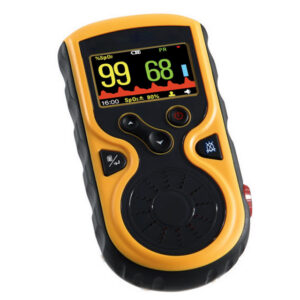
Portable pulse oximeter OXY-100 – SpO2, pulse rate and perfusion index (PI) monitor with 384 h storage (Ref. 34342) | GM34342
122,55 € In stockAdd to basket -
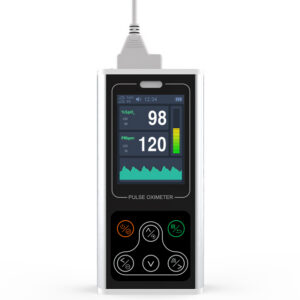
OXY-55 portable pulse oximeter with software – SpO2, pulse rate (PR) and perfusion index monitor with 2.8″ colour TFT screen (Ref. 35048)
142,50 € In stockAdd to basket -
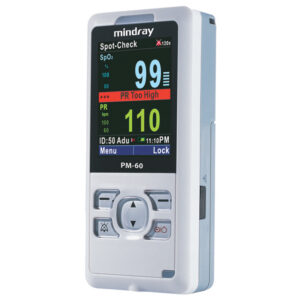
Portable Pulse Oximeter Mindray PM-60 – SpO2 and Pulse Rate Monitor with Spot-Check Mode | Ref. 35060
375,25 € In stockAdd to basket -
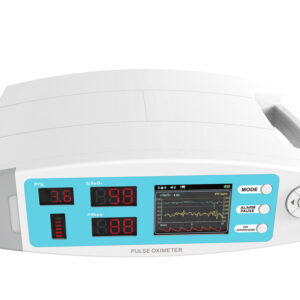
OXY-200 tabletop pulse oximeter | Portable SpO2 and pulse monitor with battery and PC software
256,50 € In stockAdd to basket
Buying and selection tips
-
Format: fingertip, handheld or tabletop
Fingertip units are compact and designed for quick readings; handheld and tabletop monitors usually offer more functions. Choose the format according to where and how the device will be used.
-
Stated battery life versus the real working day
Compare the stated battery life of each reference and the type of power supply (batteries or rechargeable battery) with the intended use. If the device will be used over long shifts, battery life weighs in the decision.
-
Check what use it is intended for
Not all devices are designed for the same use. Check in the description of each reference the intended use declared by the manufacturer before buying.
-
Stated accuracy
Always ask for the full accuracy specification of each device, with the range over which it is stated, and not just a general figure.
-
Recording and sending data
Some devices incorporate software or a connection to download measurements and others do not store data. If you need a documentary record, choose a model with its own storage or software.
-
Ergonomics and cleaning
An easy-to-clean panel, a robust casing and a carry case make work easier in demanding environments. Consider them if the device will circulate between wards or be used in patients' homes.
Compatibility
- Reusable or single-use sensors
- The choice affects replenishment and cleaning between patients. When placing the order, settle the sensor type according to the group of users of the device.
Frequently asked questions
How much battery life is needed if the device will be on all day?
Compare the stated battery life of each reference with the real length of shifts. For full shifts or shared use, consider a handheld or tabletop monitor.
Which format should I choose: fingertip, handheld or tabletop pulse oximeter?
It depends on the place of use and the functions required: the fingertip unit is compact, and the handheld or tabletop one usually offers more features.
What does it mean for the accuracy to be stated over a specific range?
That the manufacturer guarantees the tolerance only over that part of the measurement scale. Check that the range covers the one you will be working in.
Is a device with memory or software worthwhile if I need to save the measurements?
Yes, if data series need to be kept: there are devices with no storage of their own. To document measurements, choose models with memory or software.
What does a device combining spirometry and pulse oximetry offer?
It brings two measurements together in a single device and usually comes with software. Consider whether the department needs both and what consumables it requires.
Common questions
Supposing that all pulse oximeters offer the same functions
Devices differ in format, battery life, recording and software. Compare the descriptions of each reference.
Interpreting automatic switch-off as a fault
Some devices include automatic switch-off. Consult the manufacturer's instructions before concluding that there is a fault.
Believing that all devices save the measurements
No: some devices do not have memory. Recording is a feature, not a standard of the product.