Paediatric pulse oximeter: buying guide
9 products in the catalogue
A pulse oximeter is a monitor that displays oxygen saturation (SpO2) and pulse rate on a screen. The products include fingertip, handheld and wrist-worn devices, with different types of display and power supply, and a paediatric fingertip model in two designs (crocodile and tiger), as well as a replacement paediatric sensor.
Before deciding, establish the type of device, the sensor, the power supply and the display functions. This guide sets out purchasing criteria that can be verified in the description of each product.
Other related families
Products in this guide
- Batteries 8
- Rechargeable battery 2
- Paediatric 7
- Adult 6
-
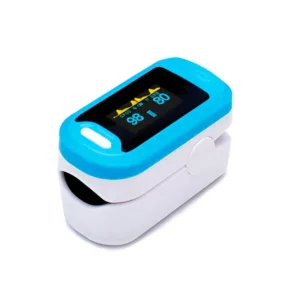
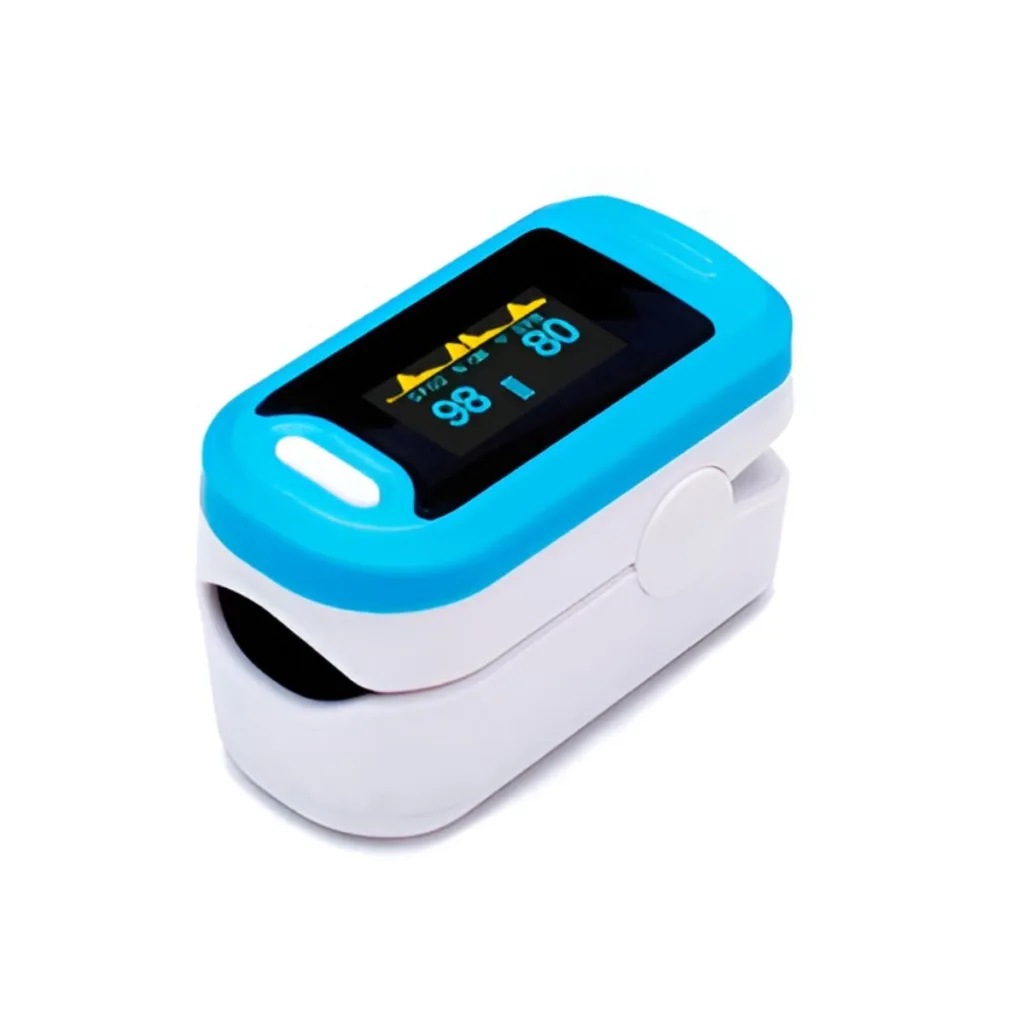
Finger pulse oximeter PULOX PO-200 (Ref. 713) | Portable SpO2 and heart rate monitor – Class IIa (CE MDD 93/42/CEE)
20,62 € In stockAdd to basket -
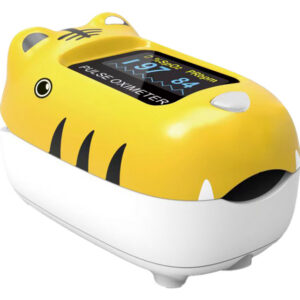
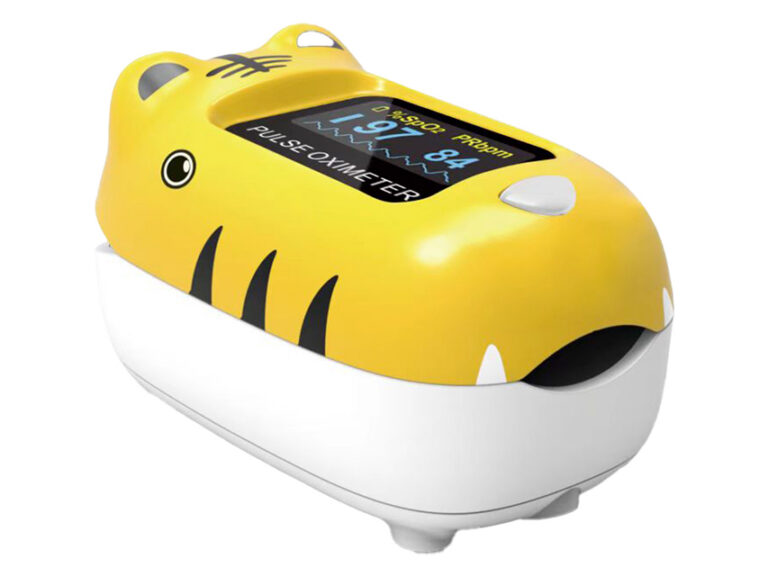
Paediatric finger pulse oximeter OXY-0 (tiger) – SpO2 and pulse rate monitor with colour LCD screen (Ref. 35056)
22,80 € In stockAdd to basket -
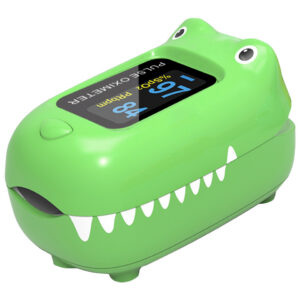
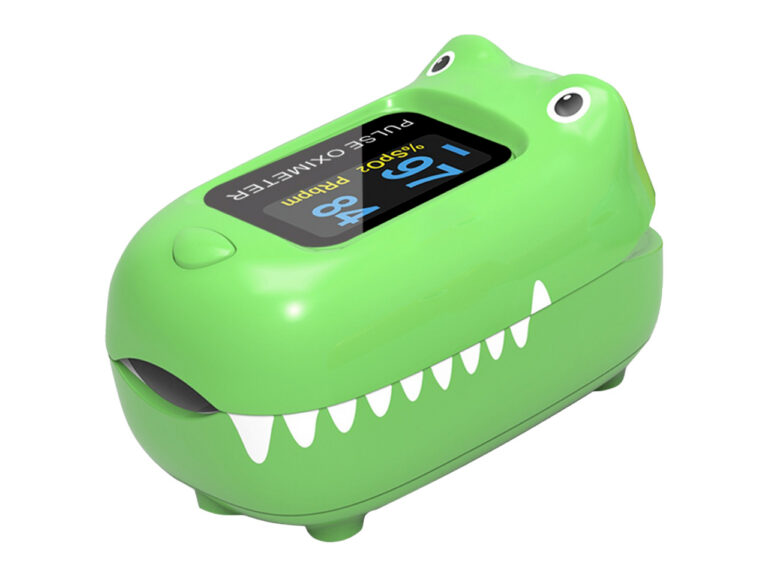
OXY-0 Paediatric Finger Pulse Oximeter (crocodile) – SpO2 and Pulse Rate Monitor with Colour LCD Screen (Ref. 35057)
22,80 € In stockAdd to basket -
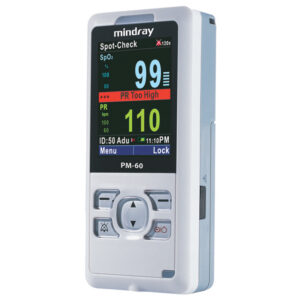
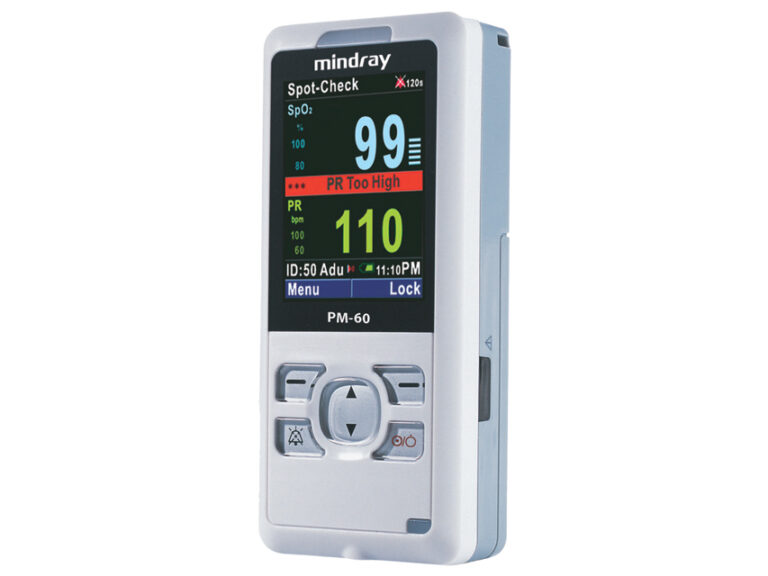
Portable Pulse Oximeter Mindray PM-60 – SpO2 and Pulse Rate Monitor with Spot-Check Mode | Ref. 35060
375,25 € In stockAdd to basket -
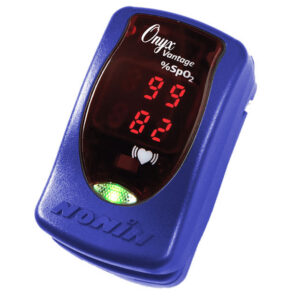
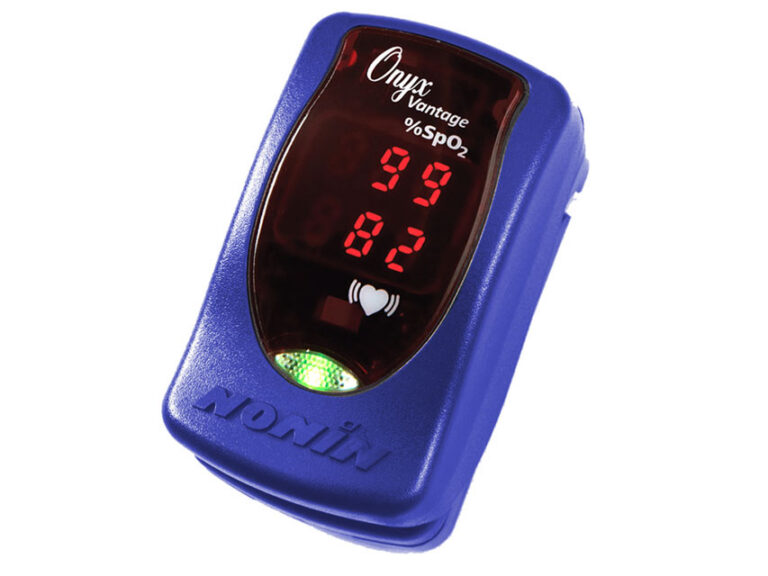
Nonin Onyx® Vantage 9590 finger pulse oximeter | SpO₂ and pulse rate monitor with PureSAT® technology – Refs. 35084 (blue) and 35085 (black)
242,25 € In stockSelect options This product has multiple variants. The options may be chosen on the product page -
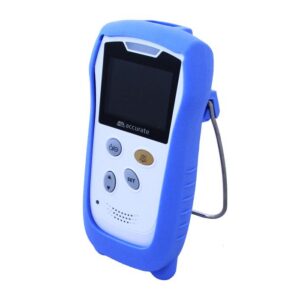
Handheld pulse oximeter HS10A (Ref. BRLHS10A) | Portable SpO2 and heart rate monitor with reusable Nellcor-type catheter for adults, children and infants
372,44 € In stockAdd to basket -
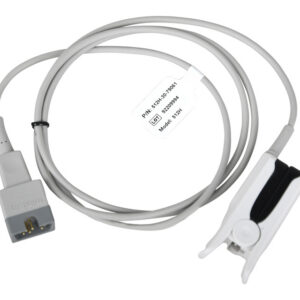
Reusable Paediatric SpO2 Sensor for Mindray PM-60 Pulse Oximeter (Ref. 35060) – Ref. 35065
161,50 € In stockAdd to basket -
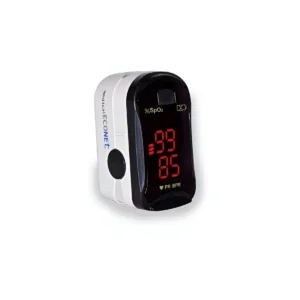
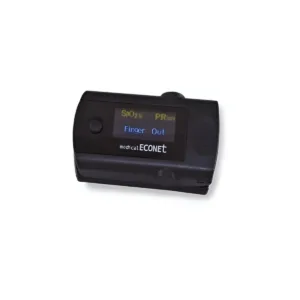
ME5 finger pulse oximeter medical ECONET | SpO2 and heart rate monitor with LED display for adults and paediatric patients > 25 kg | Ref. 40.22-5206
52,20 € In stockAdd to basket
Buying and selection tips
-
Device format
Pulse oximeters are offered as fingertip, handheld and wrist-worn devices. Their dimensions and display change between formats. Choose the format according to the workstation and confirm the features in the description of each model.
-
Paediatric version
The products include a paediatric fingertip pulse oximeter in two designs and a replacement paediatric sensor. If you need a device for use with children, check in the description of each model which users its sensor is designed for.
-
Power supply
The devices run on batteries or a rechargeable battery. Compare the power supply and battery life declared by the manufacturer to plan the replacement of consumables.
-
Display functions
The devices show the SpO2 value and pulse rate, and some add a pulse waveform, an alarm, several display modes or adjustable brightness. These are functions worth comparing between references.
-
Ergonomics and cleaning
One-handed operation, size and ease of cleaning are characteristics that vary between models. Follow the manufacturer's cleaning instructions and choose the most comfortable format for the department.
Frequently asked questions
Which pulse oximeter format should I choose for a department?
It depends on the workstation. The products include fingertip, handheld and wrist-worn devices. Compare size, display and power supply in the description of each model.
What information should a pulse oximeter display show?
The SpO2 value and the pulse rate. Some models add a pulse waveform, an alarm or several display modes, which is confirmed in each description.
How is a pulse oximeter powered and how much battery life does it declare?
It depends on the model: some devices use batteries and others a rechargeable battery. The battery life is given in the description of each product.
What accessories should I check when buying a pulse oximeter?
Check in the description what each device includes, such as a case, lanyard or software, before grouping references in the order.
Common questions
Believing that any pulse oximeter is suitable for use with children
Devices are described for specific users. Check in the description of each model which users it is designed for before ordering it.
Assuming that all devices have the same functions
Functions vary between models: alarm, pulse waveform, display modes and software connection. Compare each reference.
Assuming that the power supply is always batteries
There are devices with batteries and devices with a rechargeable battery, and the power supply determines the consumables you need to plan for.