
Rechargeable pulse oximeter: buying guide
11 products in the catalogue
A rechargeable pulse oximeter is a non-invasive device that measures oxygen saturation (SpO2) and pulse rate and that, instead of relying on disposable batteries, has a battery that is recharged by cable or dock. Fingertip, handheld and tabletop formats exist, used both for spot checks and for continuous monitoring, in home and healthcare settings.
Choosing a rechargeable model affects battery life, charging time, weight and replenishment logistics: battery management is eliminated, but you need to plan for the charging point and the waiting time. Some devices add wireless connectivity, session memory and parameters such as the perfusion index (PI). Before deciding, check the declared battery life, whether the device can be used while charging, the type of battery and the compatibility of sensors and accessories.
Other related families
-
 Vital Signs Monitors
This is the family where monitors that integrate SpO2 and pulse rate are found, including handheld and tabletop formats with a rechargeable battery.
- DIAGNOSTIC DEVICES Groups the general diagnostic equipment to which consulting-room pulse oximetry belongs.
-
 Vital Signs Monitor Accessories
Covers sensors, charging docks and stands that directly affect the choice of a rechargeable device.
Products in this guide
- Rechargeable battery 11
- Mains power 3
- Batteries 2
- II a 5
- II b 4
-
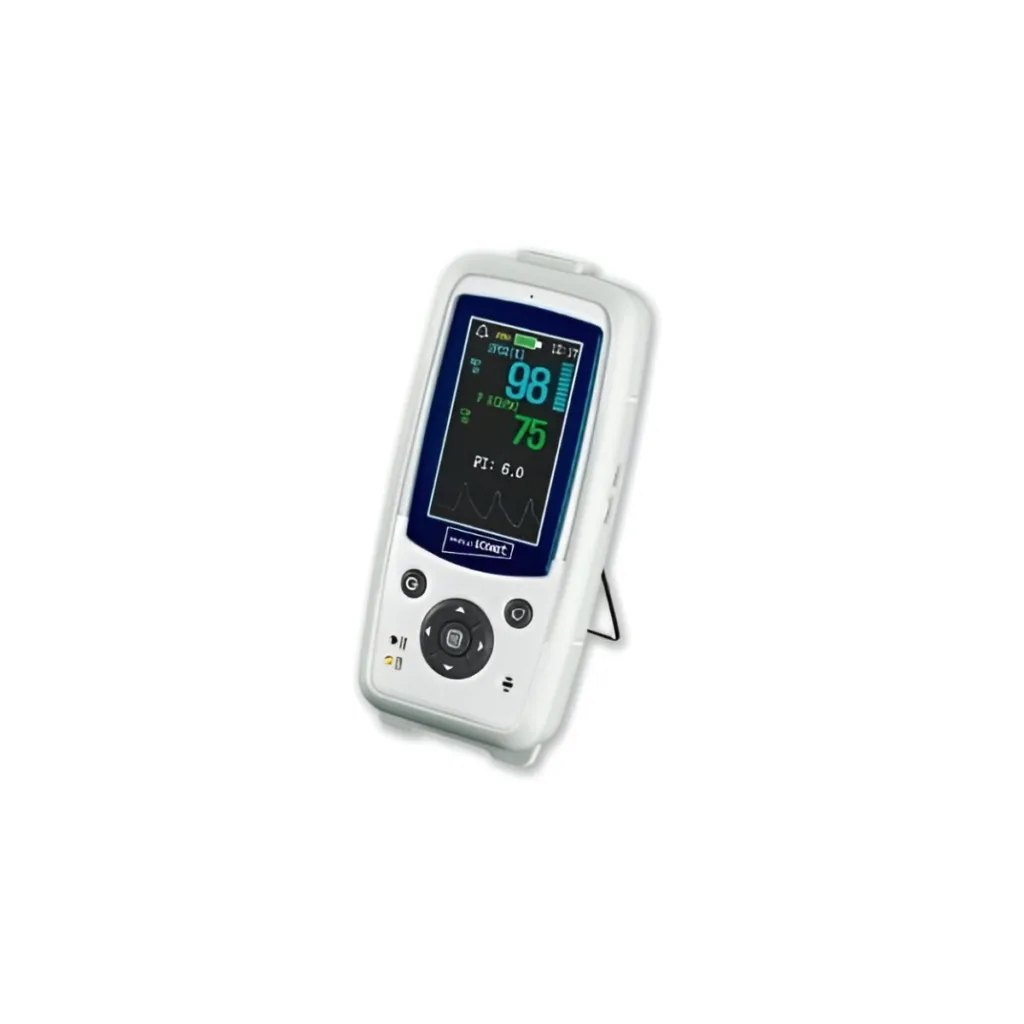
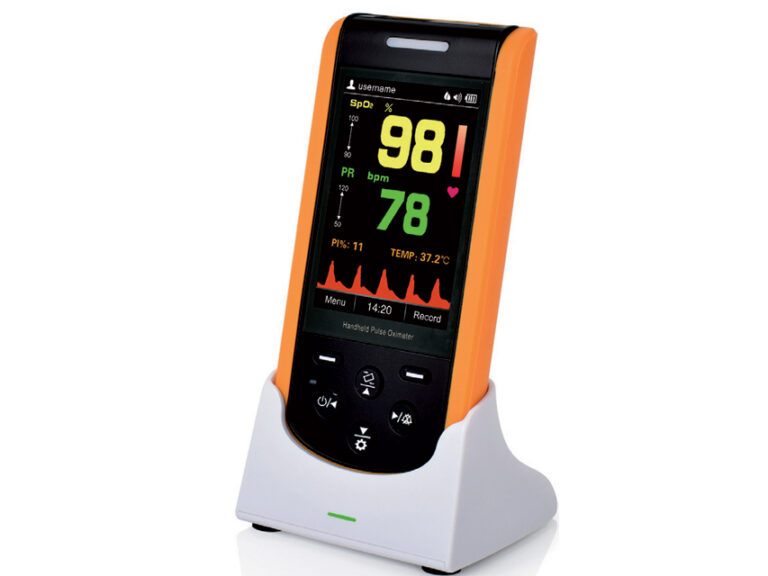
PalmCare Pro handheld pulse oximeter with rechargeable lithium-ion battery | SpO2 monitor with perfusion index (PI), 3″ colour TFT screen and 20-day trend memory
394,20 € In stockAdd to basket -
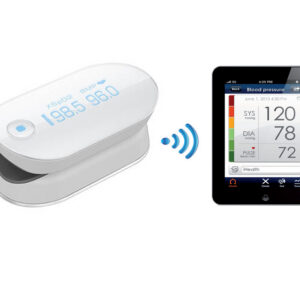
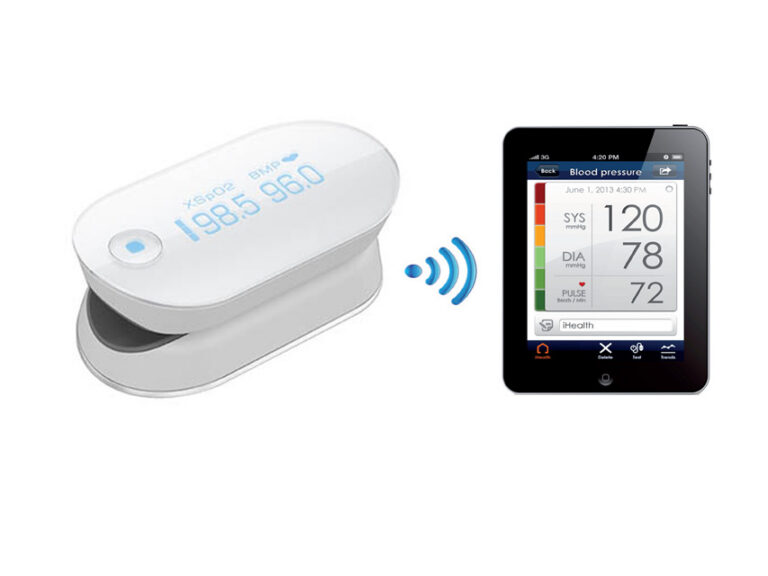
iHealth Air Wireless Fingertip Pulse Oximeter with Bluetooth 4.0 – SpO2, Pulse Rate and Perfusion Index Monitor (Ref. 23525)
82,65 € In stockAdd to basket -
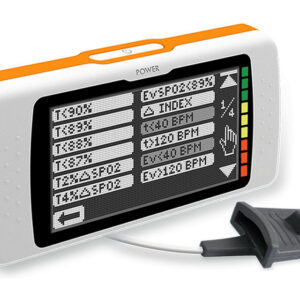
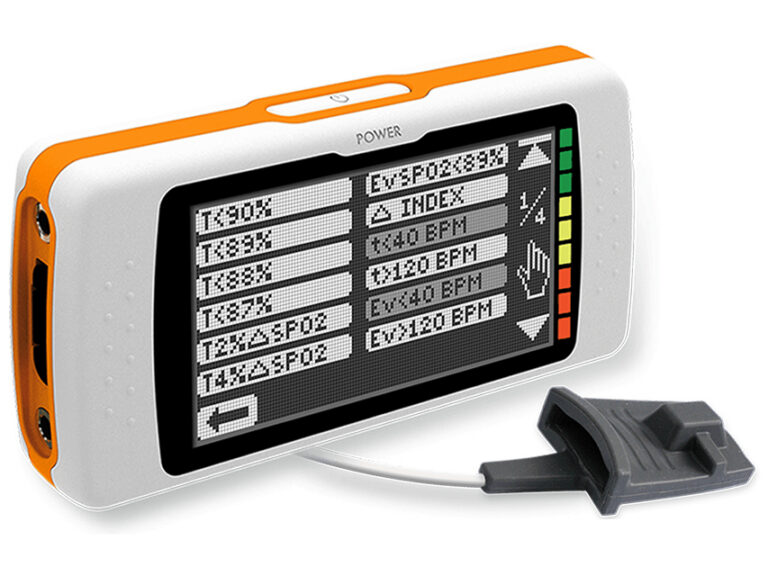
Portable 3D Pulse Oximeter Spirodoc Oximeter with MIR Spiro PC Software | Ref. 33533 (GM33533)
1.187,50 € In stockAdd to basket -
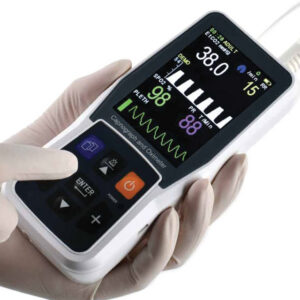
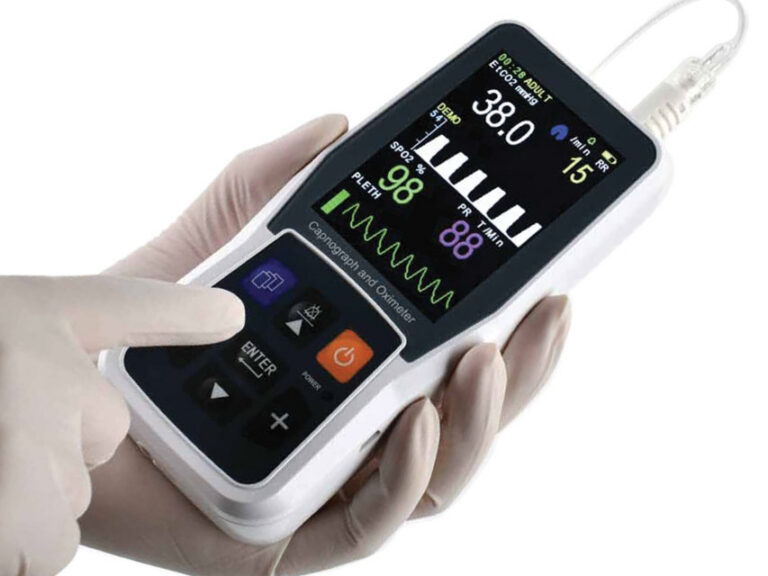
Portable Capnograph-Oximeter PC-900B | EtCO2, Respiratory Rate and SpO2 Monitoring with MoveOxy™ Technology (Ref. 33698)
1.710,00 € In stockAdd to basket -
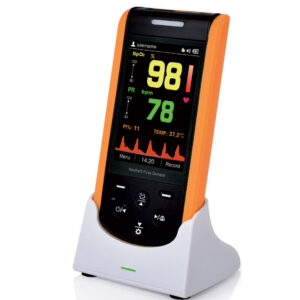
Portable Pulse Oximeter OXY-110 – SpO2, Pulse Rate (PR), Perfusion Index (PI) and Temperature Monitor with 3.5″ TFT Screen and Lithium Battery · Ref. 34341
170,05 € In stockAdd to basket -
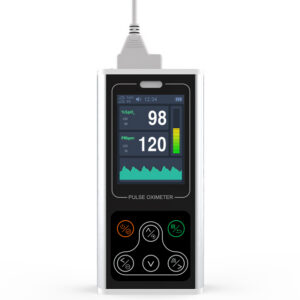
OXY-55 portable pulse oximeter with software – SpO2, pulse rate (PR) and perfusion index monitor with 2.8″ colour TFT screen (Ref. 35048)
142,50 € In stockAdd to basket -
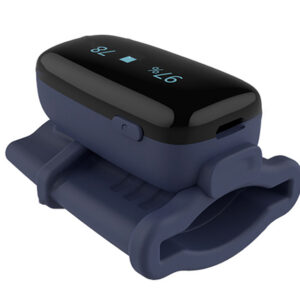
OXYFIT Finger Pulse Oximeter with Bluetooth – Continuous SpO2 and Pulse Rate Monitor with OLED Screen, Rechargeable Battery and ViHealth App (Ref. 35058)
71,25 € In stockAdd to basket -
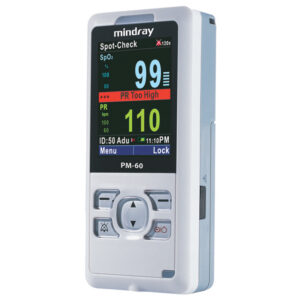
Portable Pulse Oximeter Mindray PM-60 – SpO2 and Pulse Rate Monitor with Spot-Check Mode | Ref. 35060
375,25 € In stockAdd to basket
Buying and selection tips
-
Real battery life and charging time
One model with a rechargeable lithium polymer battery declares around 14 hours of normal use, with an approximate charging time of 3 hours. Also check whether or not the device can be used while connected to the charger, because some models expressly advise against it.
-
Removable battery versus built-in battery
Some devices run on four rechargeable NiMH AA batteries and are supplied with an adapter or power supply and a desktop stand with an integrated charging port. Depending on the model, this configuration allows the batteries to be replaced without depending on a cable.
-
Weight and format for continuous monitoring
In continuous monitoring weight matters: one rechargeable pulse oximeter declares about 28 g and 38×30×38 mm, with 12-14 hours of battery life. A lightweight format with a rechargeable battery makes use over long periods easier.
-
Connectivity and data logging
The Bluetooth wireless function on some models allows measurements to be transferred to an application. If you need to use the data, first check which parameters the device records and at what interval.
-
Perfusion index and signal quality
On devices that include it, the perfusion index (PI) gives a relative indication of signal quality. It is a supporting figure from the device, not an independent measurement.
-
Manufacturer's instructions for the battery
A device with an internal battery has its own maintenance conditions. Consult the manufacturer's manual before putting into service and pass it on to the staff who will handle it.
Compatibility
- Desktop stand with integrated charging port, clip and carrying case
- These are accessories that allow the device to be left at a fixed charging point or moved around; check whether they form part of the supply or are ordered separately.
- Charging dock with rechargeable NiMH battery
- It exists as a separate reference for converting a handheld pulse oximeter into a device that recharges in a dock.
- Compliance with ISO 80601-2-61 for oximetry
- It is a compliance reference that some manufacturers declare and which should be checked in the device documentation before purchase.
Frequently asked questions
Can the rechargeable pulse oximeter be used while it is charging?
Not in all cases: some models cannot be used during charging. If monitoring cannot be interrupted, plan for a second unit or a model with replaceable batteries.
How much battery life is lost when going from alkaline batteries to a rechargeable battery?
It depends on the model: one device declares up to 80 hours with AA alkaline batteries and about 40 hours with the optional rechargeable NiMH battery. Recharging avoids continual replacement, but the battery life per cycle may be shorter.
What should I check in the description before choosing a charging dock?
That the dock is specific to the model and that it includes the rechargeable battery, the power cable and the right type of plug. Also check whether the desktop stand with charging port is part of the basic supply or optional.
Does the weight of the device change with a rechargeable battery?
It can have an effect: one rechargeable pulse oximeter declares about 28 g and 38×30×38 mm, a relevant figure when monitoring is continuous.
What parameters can I record and for how long?
It depends on the model. Some record oxygen level and pulse rate at 4-second intervals and store several sessions; compare the memory and the interval before deciding.
Common questions
Believing that a rechargeable device can always be used while plugged in
This is not so on all models: some expressly state that the device cannot be used during charging, so recharging should be planned outside measurement periods.
Confusing the perfusion index with a clinical measurement
The PI is a relative indication of the device's signal quality; it does not replace the SpO2 reading or the pulse rate.
Assuming that the rechargeable battery lasts as long as alkaline batteries
On the same device the alkaline battery version may declare up to 80 hours and the optional rechargeable one about 40 hours; recharging reduces replenishment, not necessarily the battery life per cycle.
Forgetting the charging accessories when budgeting
Docks, stands and batteries may be separate references. Check what each device includes so as not to find out after the order arrives.
More products in this guide
-
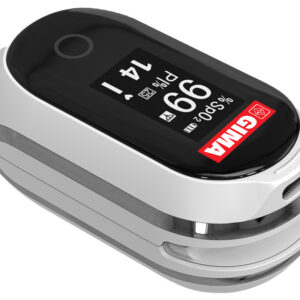
Rechargeable Bluetooth OXY-8 finger pulse oximeter – SpO2, pulse (PR) and perfusion index (PI) monitor with OLED screen (Ref. 35077)
19,95 € In stockAdd to basket -
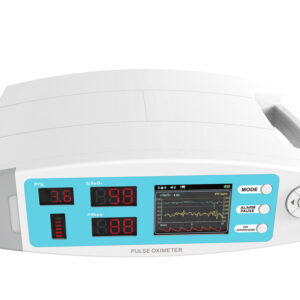
OXY-200 tabletop pulse oximeter | Portable SpO2 and pulse monitor with battery and PC software
256,50 € In stockAdd to basket -
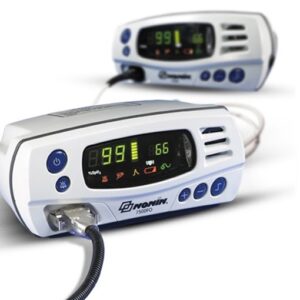
Nonin N-7500FO Tabletop Pulse Oximeter for Magnetic Resonance Imaging | SpO₂ Monitor with PureSAT® Fibre Optic for MRI Environment (Without Sensor)
In stockRequest a quote