
How to choose an AED: automated external defibrillator
12 products in the catalogue
An automated external defibrillator (AED) is a device designed to be used by the first person to respond to a cardiac arrest. In a healthcare setting (health centres, surgeries, care homes or mobile units) it sits alongside crash trolleys and manual defibrillators with a monitor, and the choice affects staff training and later maintenance.
The range includes automatic and semi-automatic AEDs, as well as defibrillators with a monitor and manual modes. Choosing well means deciding who will use the unit, where it will be installed and how it will be maintained: type of operation, protection against dust and water, battery and electrode lifetimes, and the options for managing several units. This guide sets out those buying criteria.
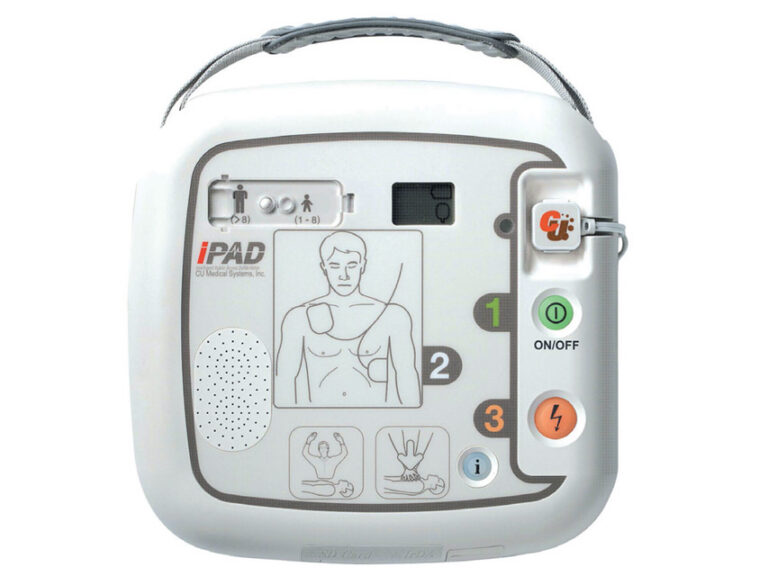
Other related families
-
 Automatic and Semi-automatic Defibrillators
This is the family where the automatic and semi-automatic AEDs are grouped.
-
 Manual Defibrillators with Monitor
For those who also need manual modes, ECG and monitoring in the same unit.
-
 Compatible Electrodes for Defibrillators
Electrodes are consumables with an expiry date and must be replaced periodically.
-
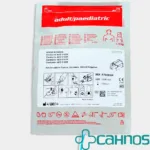 Adult Electrodes
Adult consumable, which must match the chosen unit model.
-
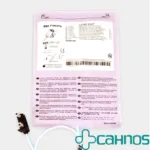 Paediatric Electrodes
If the chosen model requires specific paediatric electrodes, they should be planned for from the start.
-
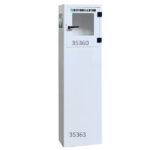 Defibrillator Cabinets
Cabinet to house the unit in thoroughfares or outdoors.
Products in this guide
- Rechargeable battery 11
- Mains power 3
-
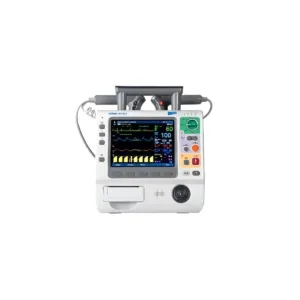
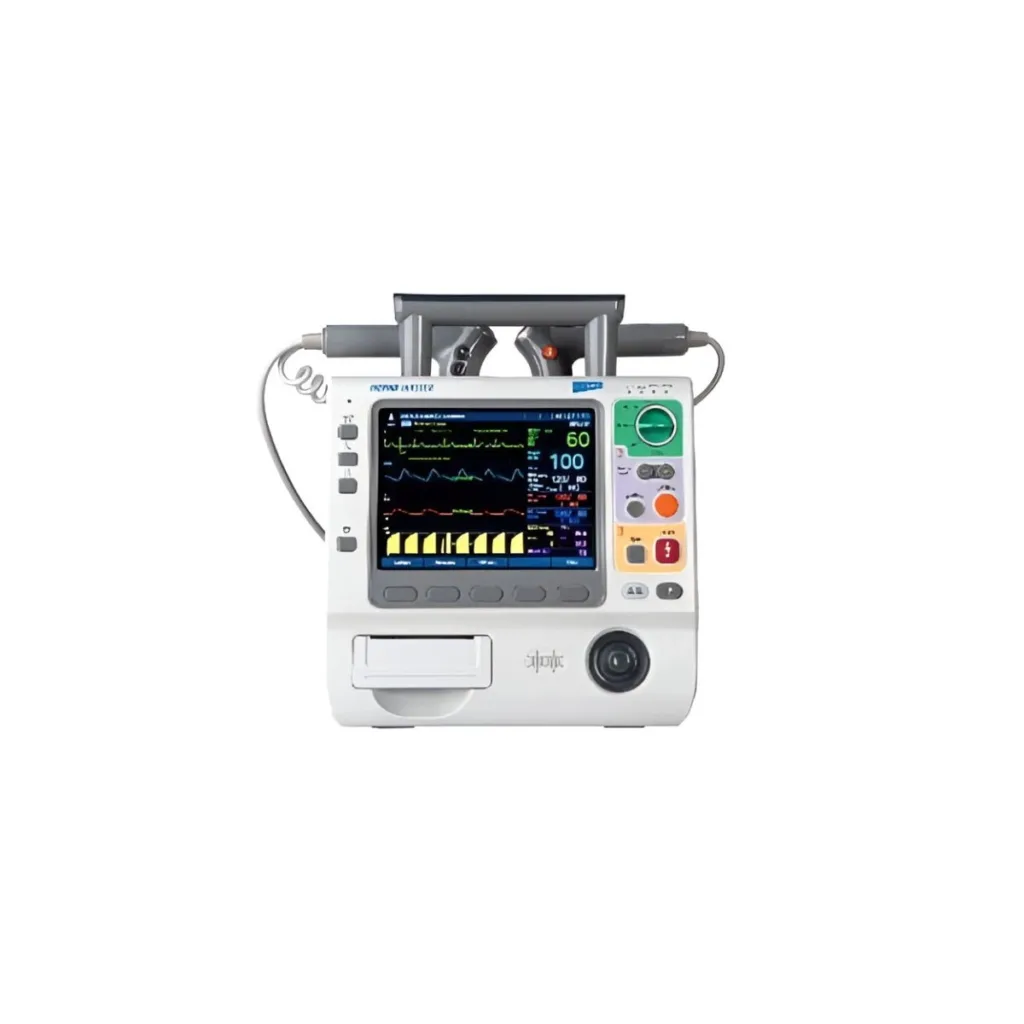
Defibrillator monitor ME PAD Máster Básico – Biphasic 1-360 J, 3/5-lead ECG, AED, pacing and integrated printer (Ref. 30.10-4451)
5.398,20 € In stockAdd to basket -
Monitor defibrillator ME PAD Máster Estándar I – Biphasic 1-360 J, ECG 3/5 leads, AED, pacing and integrated printer (Ref. 30.10-4452)
7.918,20 € In stockAdd to basket -
Professional monitor defibrillator ME PAD Master Advance – Biphasic 1-360 J, 3/5-lead ECG, AED, cardiac pacing, SpO2/NIBP/EtCO2 (Ref. 30.10-4450)
10.258,20 € In stockAdd to basket -
Professional monitor defibrillator ME PAD Master Standard II: biphasic 1-360 J, 3/5-lead ECG, AED, pacing and integrated thermal printer
8.638,20 € In stockAdd to basket -
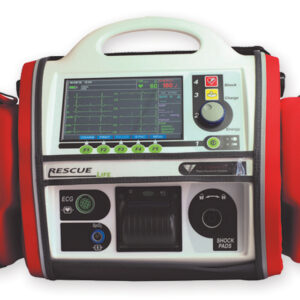
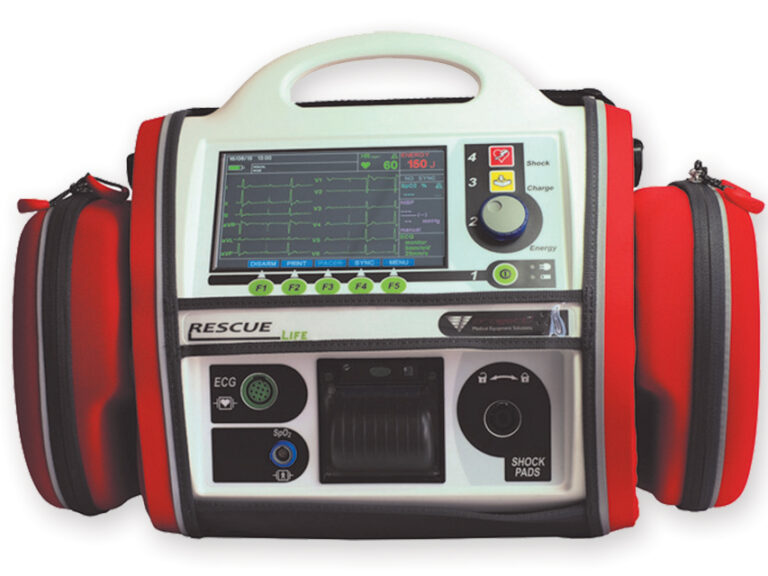
AED Defibrillator-Monitor Rescue Life 7 – Custom configurations (SpO2, NIBP, Pacemaker) | Ref. 33188 / 33189 / 33190
On orderRequest a quote -

Rescue Life 7 Defibrillator-Monitor with SpO2 and Pacemaker – Manual, AED and Advisory Modes, 7” Screen | Ref. GM33193
Price range: 7.410,00 € through 8.645,00 € On orderSelect options This product has multiple variants. The options may be chosen on the product page -
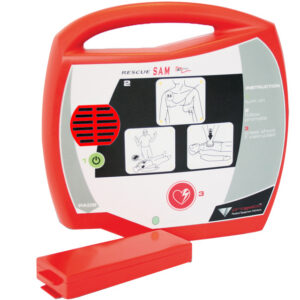
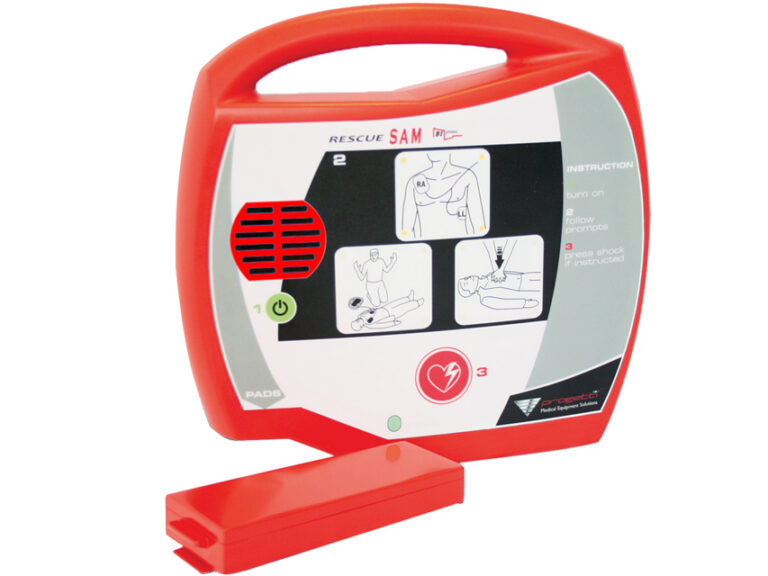
Semi-Automatic External Defibrillator (AED) Rescue Sam AED – Biphasic BTE 200 J for public use (Ref. 33425)
1.225,50 € In stockSelect options This product has multiple variants. The options may be chosen on the product page -
Semi-Automatic External Defibrillator (AED) Rescue Sam AED – Biphasic 200 J fixed for public use, multilingual (Ref. 33559)
1.225,50 € On orderAdd to basket
Buying and selection tips
-
Automatic or semi-automatic
AEDs are available in a semi-automatic version, in which the user confirms the shock with a button, and a fully automatic version, in which the unit delivers it itself. Some models include both modes. Compare which mode each product offers and weigh it against the training planned for the facility's staff.
-
Compare energy and waveform characteristics
The units in the range use a biphasic waveform. Compare the energy data stated for each product and whether the model is an AED only or also a manual defibrillator with a monitor, which adds manual modes and ECG.
-
Choose protection according to the installation site
Some units state an IP protection rating against dust and water. The more exposed the installation point, the more important it is to check the rating stated for each product and whether a cabinet is planned.
-
Plan battery and electrode replacement
The battery and electrodes are consumables with their own expiry dates, and the periods may not coincide. Check the periods for each model, as they affect maintenance costs and periodic checks.
-
Consider managing several units
If you are going to install several AEDs on different floors or sites, check whether the model offers connectivity so that the status of the units can be checked centrally. Also verify how the data is handled.
Frequently asked questions
What is the practical difference between a fully automatic AED and a semi-automatic one?
With the semi-automatic unit the user confirms the shock by pressing a button; with the fully automatic unit the device delivers it itself. The choice depends on the facility's protocol and staff training.
Which battery and electrode lifetimes should I compare before buying?
Compare the electrode validity and the battery life of each model separately, because they do not expire at the same time. These periods affect maintenance costs.
Do I need to buy paediatric electrodes separately from the unit?
It depends on the model. Some units require specific paediatric electrodes and others do not. Confirm in the chosen product which electrodes it accepts and plan for their replacement.
What level of protection is advisable if the AED will be outdoors?
Check the IP protection rating stated for each product and the operating temperature range. If the unit is housed in an outdoor cabinet, also check the conditions of the cabinet itself.
Can I monitor several AEDs installed in different locations from a single dashboard?
Only if the model has connectivity. Confirm in the product whether it offers remote management and verify how the data is handled.
Common questions
Believing that all AEDs offer the same features
They do not: the stated energy, the operating mode and the consumables vary. It is advisable to compare these data between products before buying.
Confusing "automatic" with "semi-automatic"
The automatic unit delivers the shock by itself; the semi-automatic unit waits for the user to press the button. They are two different ways of working and they affect staff training.
Assuming that the battery and electrodes expire at the same time
The periods are independent depending on the model. Plan replacements separately so that you do not end up with an expired consumable.
Treating IP55 and IP66 as if they were the same
They are different levels of protection against dust and water. Check the rating stated for each product according to the installation site.
More products in this guide
-
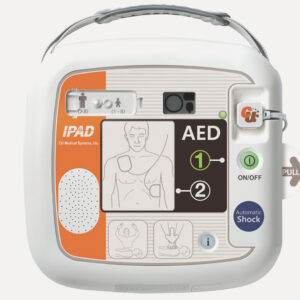
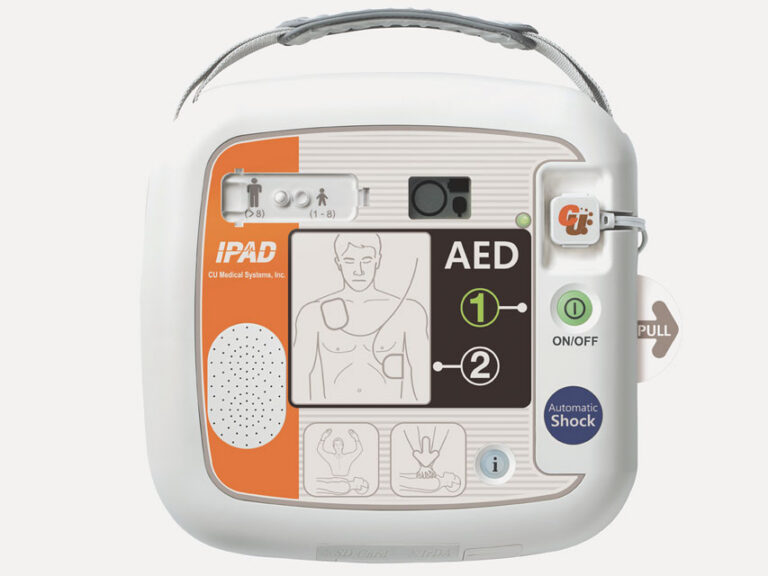
Automated External Defibrillator (AED) iPad CU-SP1 – Fully Automatic, e-Cube Biphasic Waveform
1.415,50 € In stockSelect options This product has multiple variants. The options may be chosen on the product page -
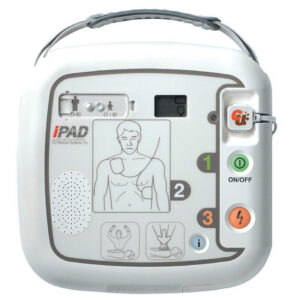
Semi-Automatic External Defibrillator (AED) iPad CU-SP1 – 150 J, Biphasic, Public Use (Ref. CU-SP1 semiaut.)
1.282,50 € In stockSelect options This product has multiple variants. The options may be chosen on the product page -
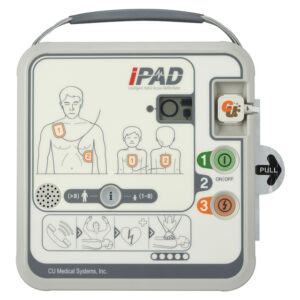
Semi-automatic external defibrillator iPad CU-SPR – Public access AED, e-cube biphasic with adult/paediatric mode and IP66 (Ref. GM35400-F)
1.377,50 € In stockSelect options This product has multiple variants. The options may be chosen on the product page -
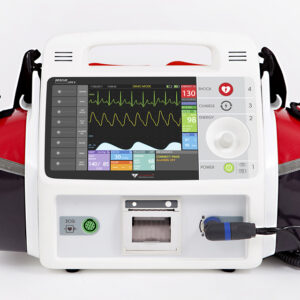
Defibrillator-Monitor Rescue Life 9: Biphasic AED with 12-Channel ECG and Temperature (Config. BASE + AED + TEMP) – Ref. 55500
Price range: 8.075,00 € through 11.590,00 € On orderSelect options This product has multiple variants. The options may be chosen on the product page