
Automated external defibrillator (AED): buying guide
8 products in the catalogue
An AED is a portable automated external defibrillator that forms part of emergency equipment in healthcare centres, businesses and public spaces. This guide focuses on buying criteria that can be checked in the description of each reference: configuration, pack contents, battery, electrodes and accessories.
The selection includes fully automatic and semi-automatic references, with different presentations: units with a carry case, complete kits and units with accessories supplied separately. Before comparing, fix the configuration required and check whether the reference includes a battery, electrodes and a carry case.
Other related families
-
 Automatic and Semi-automatic Defibrillators
Groups the complete units, which are compared by configuration and pack contents.
-
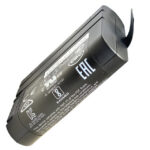 Defibrillator Accessories and Spare Parts
Brings together accessories and spares for replacing batteries, cases and consumables for the chosen unit.
-
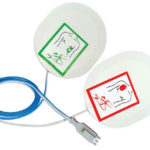 Compatible Electrodes for Defibrillators
Lets you find compatible electrodes and check the reference before restocking.
-
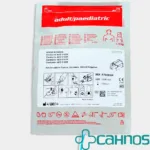 Adult Electrodes
Useful for comparing the adult electrode set included or supplied separately.
-
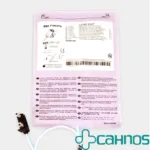 Paediatric Electrodes
Relevant for references that require specific paediatric electrodes.
Products in this guide
-
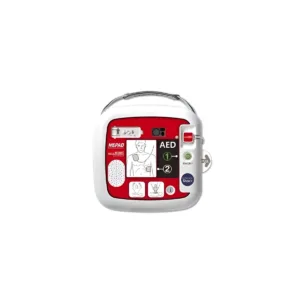
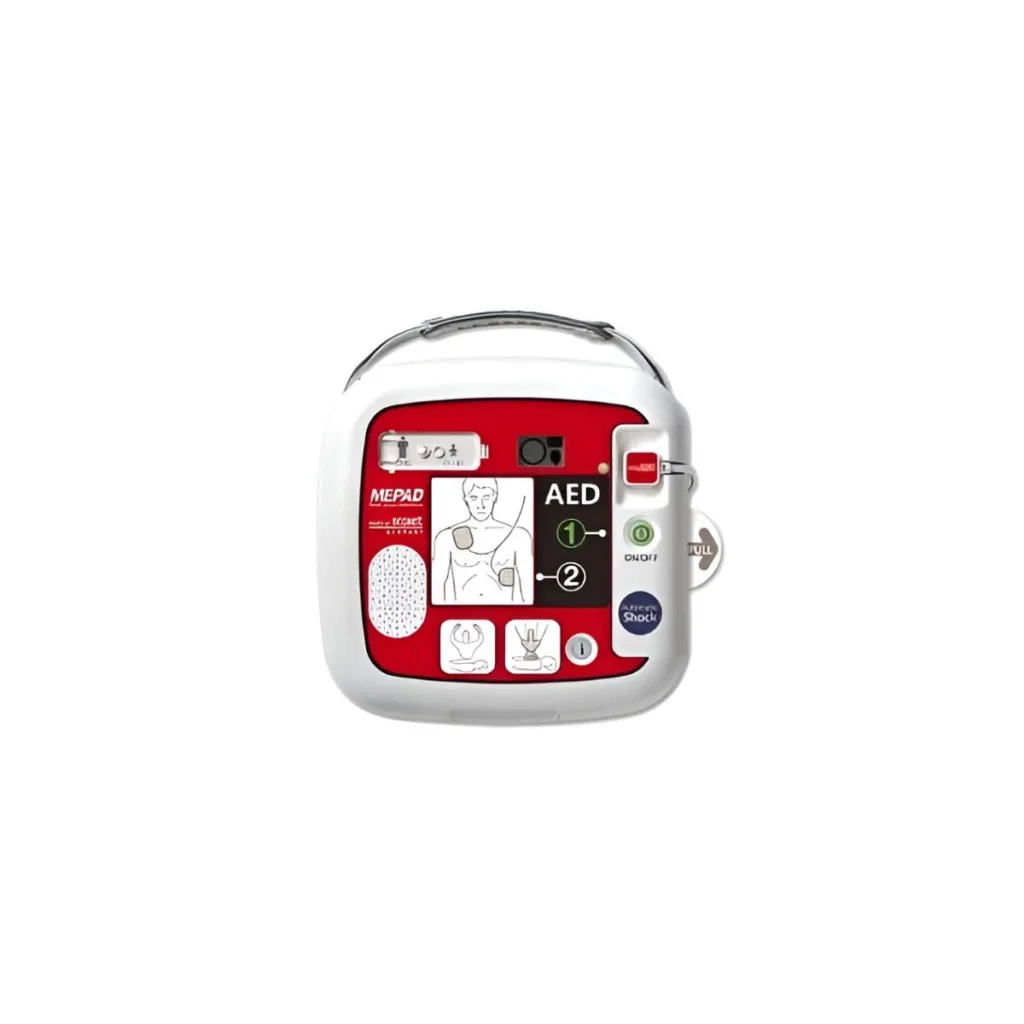
Automated external defibrillator (AED) ME PAD Auto – 5-year Li-Mn battery, multilingual voice and SD card (Ref. 30.10-4600)
1.438,20 € In stockAdd to basket -
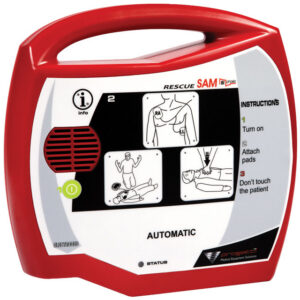
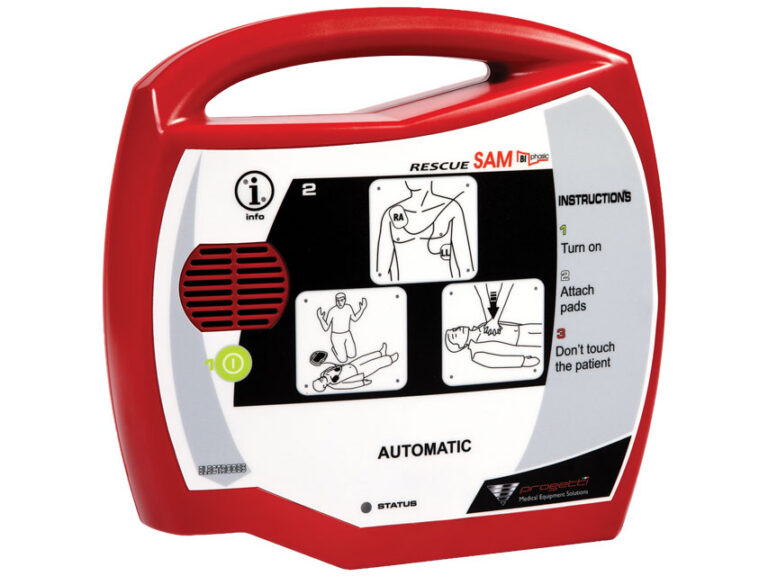
Rescue Sam Automated External Defibrillator (AED) – Automatic Shock, Biphasic Waveform 200 J and Long-Life Lithium Battery (Ref. GM33165-F)
1.567,50 € On orderSelect options This product has multiple variants. The options may be chosen on the product page -

Automated External Defibrillator (AED) PRIMEDIC HeartSave AED | Biphasic CCD 50-360 J with lithium battery (6 years) | Ref. 33391
1.890,50 € In stockSelect options This product has multiple variants. The options may be chosen on the product page -
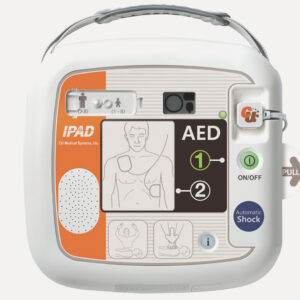
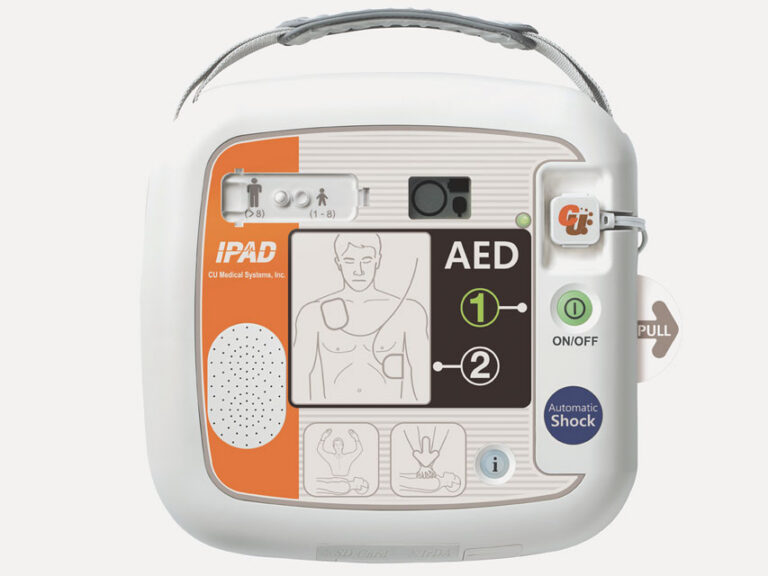
Automated External Defibrillator (AED) iPad CU-SP1 – Fully Automatic, e-Cube Biphasic Waveform
1.415,50 € In stockSelect options This product has multiple variants. The options may be chosen on the product page -
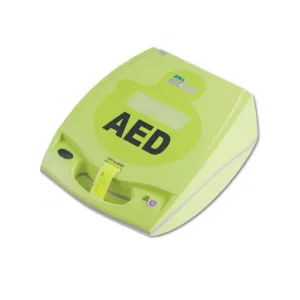
Automated External Defibrillator (AED) ZOLL AED PLUS with Protective Case and Disposable Lithium Battery, 3.1 kg – Without Electrodes (SER0A0PL000SE)
1.137,00 € In stockAdd to basket -
Automatic defibrillator ZOLL AED PLUS – Complete unit with case, disposable battery and adult Stat-Padz II electrodes (ref. 8900-0801-01)
1.195,00 € In stockAdd to basket -
Automated External Defibrillator ZOLL AED PLUS – Complete Kit with Case, Lithium Battery and Stat-Padz II Adult Electrodes + Paediatric Pedi-Padz II (Semi-Automatic AED, 3.1 kg)
1.286,00 € In stockAdd to basket -
Automated External Defibrillator (AED) ZOLL AED PLUS – Complete kit with case, lithium battery, CPR-D-Padz electrodes with Real CPR Help and Pedi-Padz II paediatric electrodes
1.399,00 € In stockAdd to basket
Buying and selection tips
-
Fix the configuration
Choose between fully automatic and semi-automatic according to the specific reference, because they are not the same presentation. Check that the name and code of the reference indicate the version you will receive.
-
Check the pack contents
Some references are complete kits with a carry case, battery and electrodes, and others are not. Check what each one includes so that you compare prices on a like-for-like basis.
-
Look at the shelf life of consumables
Battery and electrodes have shelf lives stated by the manufacturer that should be kept separate from the unit's warranty. Confirm them on the reference supplied.
Frequently asked questions
How do I tell an automatic reference from a semi-automatic one?
It must appear in the name or the description of the reference. Not all presentations in the same family are the same.
Are the battery and electrodes supplied with the unit?
It depends on the reference. Some are complete kits with a carry case, battery and electrodes; for others, check the pack contents.
Can I use electrodes from another manufacturer in my AED?
Compatibility between different units is not stated. Check in the description of each reference which electrodes it accepts.
What data should I compare between two AEDs before deciding?
Configuration, pack contents, battery and electrode shelf life, warranty and compatibility of consumables.
What should I check if I need paediatric electrodes?
That the unit's reference has specific paediatric electrodes available and that their reference is stated in the description.
Common questions
Confusing automatic with semi-automatic
They are different configurations and must be stated in the reference. Do not assume that a particular presentation is one or the other.
Believing that the warranty covers the battery and electrodes
The unit's warranty and the shelf life of consumables are separate data. Check each in the description.
Believing that the shipping weight is the weight of the unit
The weight of the unit and the logistics weight are not the same data. To site the unit, use the stated weight of the device.