
Steriliser: buying guide
15 products in the catalogue
A steriliser is the equipment used to sterilise reusable instruments and materials within a healthcare facility's processing chain, which runs from decontamination and washing to packing and sterilisation.
The range covers several technologies: Class B benchtop steam autoclaves, hot-air dry heat sterilisers and bead sterilisers (quartz beads) of very small capacity. The choice depends on the type of load, the workload and the space available. Before deciding, fix the chamber capacity, the class of the equipment and its regulatory conformity, the water consumption and electric power, the weight and dimensions, and the traceability of cycles.


Other related families
-
 Autoclaves
Concentrates benchtop steam units of different chamber capacities, for clinics and sterile services departments.
- STERILISATION Brings together the other solutions in the process, useful for completing the purchase of the equipment with the materials that go with it.
-
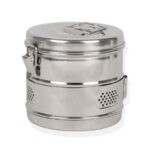 Sterilisation Drums
Allow the load to be organised and transported into and out of the steriliser.
-
 Filters and Accessories for Instrument Containers
Add-ons for rigid containers that should be planned for together with the equipment.
-
 Autoclave Printers
Reinforce the traceability of cycles when a printed record is needed.
Products in this guide
- 1.5 l 1
- 3 l 1
- 5 l 1
- 20 l 3
- 24 l 3
- 29 l 1
- 60 l 3
- 120 l 2
- 6 kg 3
- 7 kg 1
-
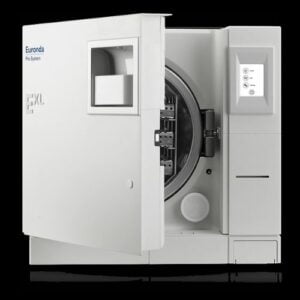
EXL 29 L Class B Autoclave (EN 13060) – Professional Benchtop Steam Steriliser with 5 XL 55 cm Trays, Touchscreen and Ethernet/SD Traceability
7.480,00 € In stockAdd to basket -
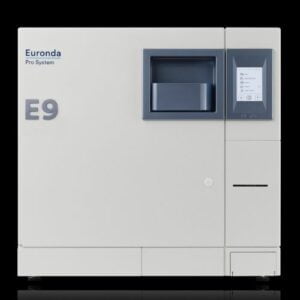
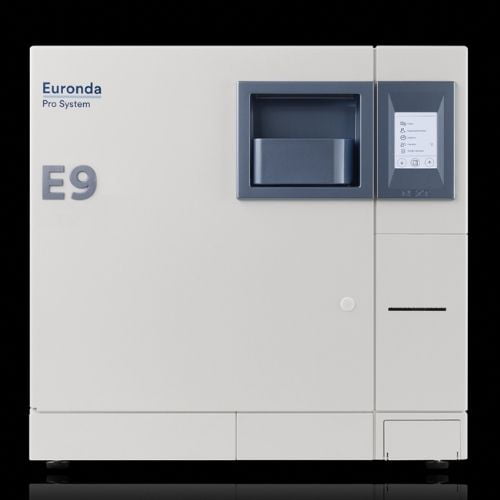
Class B Autoclave E9 24 L – Benchtop Steam Steriliser EN 13060 with 4.3″ Touchscreen, SD/Ethernet Connectivity and Expandable Traceability (SKU 115712)
5.440,00 € In stockAdd to basket -
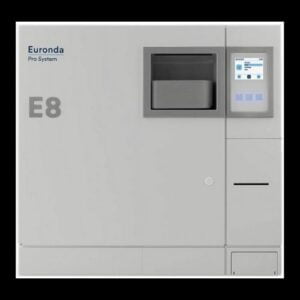
Autoclave E8 24 L Class B EN 13060 – Benchtop Steam Steriliser with 2.4″ Screen, SD Card, E-Timer and 5 Trays
4.505,00 € In stockAdd to basket -
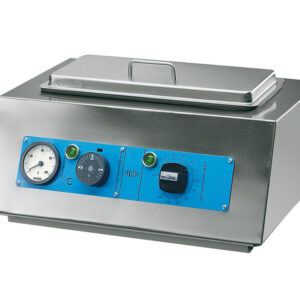
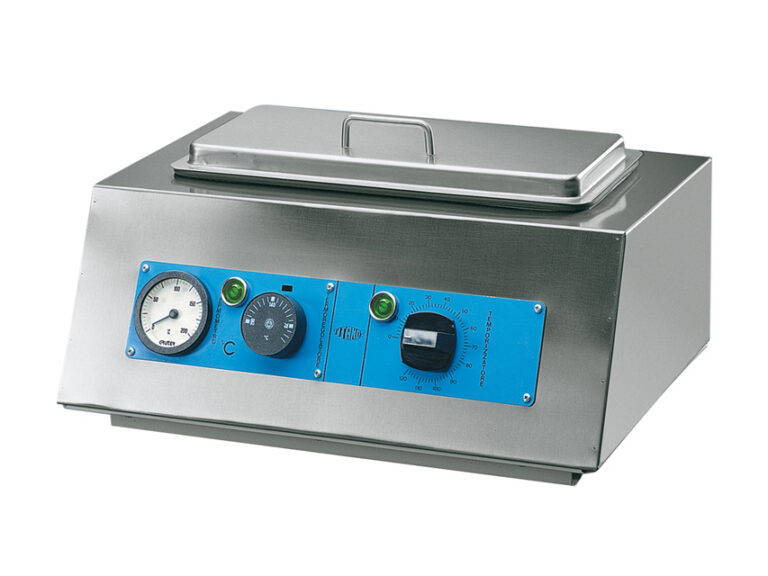
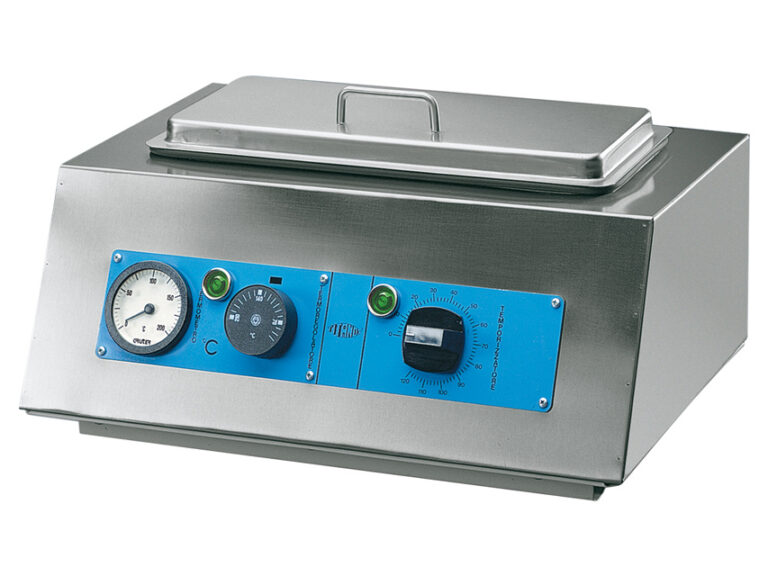
TITANOX 3 l dry heat steriliser – Hot air sterilisation oven (Ref. 35575)
603,25 € In stockAdd to basket -

TITANOX 5 L dry heat steriliser | Hot air in stainless steel (Ref. 35576)
665,00 € In stockAdd to basket -
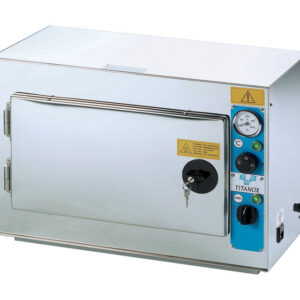
TITANOX hot-air dry heat steriliser – Capacity 20 l (GM35580) and 60 l (GM35581), sterilisation oven with double heating element
Price range: 916,75 € through 1.007,00 € In stockSelect options This product has multiple variants. The options may be chosen on the product page -
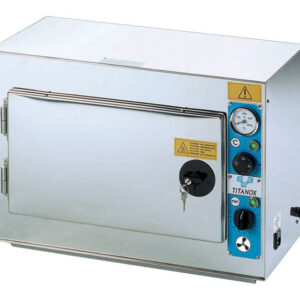
TITANOX thermoventilated dry heat steriliser 20 l (Ref. GM35583) – Stainless steel hot air sterilisation oven
Price range: 1.016,50 € through 1.657,75 € In stockSelect options This product has multiple variants. The options may be chosen on the product page -
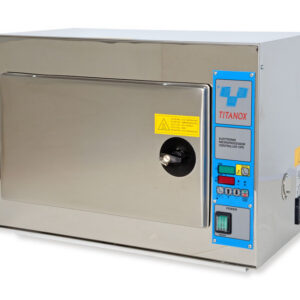
Dry heat steriliser (hot air) TITANOX Digital 20 l – Sterilising oven with digital control and timer (Ref. GM35586)
Price range: 1.092,50 € through 1.923,75 € In stockSelect options This product has multiple variants. The options may be chosen on the product page
Buying and selection tips
-
Choose the technology according to the load
The steam autoclave works with water vapour at a set temperature, time and pressure and requires the load to withstand heat and moisture. Dry heat works with hot air, and quartz bead units are of very small capacity. Always check with the manufacturer that your load is compatible with each technology.
-
Check the autoclave class and standard
The benchtop steam autoclaves in this range are presented as Class B units conforming to the EN 13060 standard. Verify this declaration in the specifications of each reference before buying.
-
Size the chamber and the load
Chamber capacity determines how much load fits in each cycle: there are autoclaves of 15, 24 and 29 L, dry heat sterilisers of 3, 5 and 20 L and quartz units of 0.1 and 0.2 L. The more load each cycle accepts, the fewer cycles you will need for the same workload.
-
Calculate water and power before installing
Compare the declared water consumption and electric power of each model and check them against the room's electric socket and water supply before completing the purchase.
-
Plan for traceability from day one
Some models offer connectivity (Ethernet, SD card or optional Wi-Fi) and there are printers for autoclaves that reinforce the recording of cycles. Deciding this at the time of purchase avoids having to change the equipment later.
-
Check the weight and dimensions of the unit
A benchtop autoclave of this capacity weighs tens of kilos. Check the weight, width, height and depth against the cabinet or worktop where it will be installed and the space needed to open the door.
Frequently asked questions
What is the practical difference between a steam autoclave and a dry heat steriliser?
The steam autoclave works with water vapour at a set temperature, time and pressure and requires a load that withstands heat and moisture. Dry heat works with hot air. The choice must be made according to the load, and compatibility should be checked with the manufacturer.
What chamber capacity do I need for my workload?
The benchtop range covers autoclaves of 15, 24 and 29 L and dry heat ovens of 3 to 20 L. The more load each cycle accepts, the fewer cycles you will need for the same volume; calculate the daily volume before choosing.
What should I check about the installation before buying the equipment?
The electric power drawn and the water consumption, which vary between models, and also the weight and dimensions, especially if the unit is going into a closed cabinet.
How can I keep the data for each cycle?
Through the equipment's connectivity, such as Ethernet, SD card or optional Wi-Fi on some models, and with printers for autoclaves when a printed record is needed.
Common questions
Confusing disinfection with sterilisation
Disinfection and sterilisation are different stages of the processing chain and do not replace each other. A steriliser is not washing or disinfection equipment.
Assuming dry heat is suitable for any material
Dry heat works with hot air and is not suitable for every load. Check your actual load against the equipment's technology and the manufacturer's instructions before deciding.
Thinking more litres is always better
A larger chamber requires more space, more power and more weight. Size the chamber according to the real workload and the conditions of the room.
More products in this guide
-
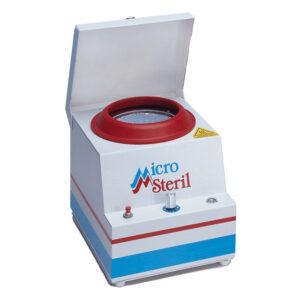
Micro Steril 0.2 L Quartz Bead Steriliser with Timer – Fast Instrument Sterilisation
346,75 € In stockAdd to basket -
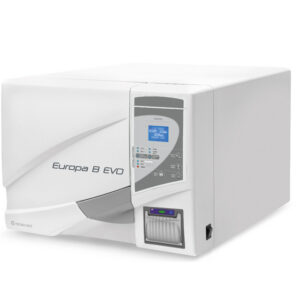
Class B Autoclave EUROPA B EVO 15 litres – Steriliser with Fractionated Vacuum, Integrated Printer and 134 °C / 121 °C Cycles – 230 V (Ref. 35653)
5.035,00 € In stockAdd to basket -
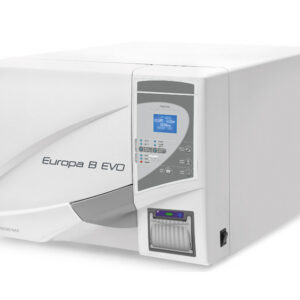
Class B Steam Autoclave EUROPA B EVO – 24 litres, 230 V – Steam sterilisation with integrated printer, P.I.D. system and integrated osmosis | Ref. 35657
6.650,00 € In stockAdd to basket -
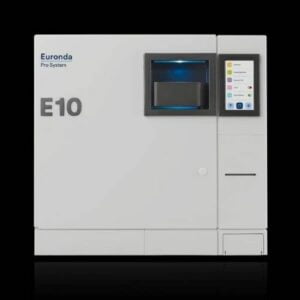
Class B Autoclave Euronda E10 – 24 L | Bench-top Steam Steriliser EN 13060 with Vacuum Pump, E-Touch Screen and Digital Traceability (SKU 115750)
5.907,50 € In stockAdd to basket -

Euronda E8 24 L Class B Autoclave | Bench-top Steam Steriliser EN 13060 with 2.4″ Colour Screen, SD Card and 5 Trays (Ref. 35678)
5.035,00 € In stockAdd to basket -
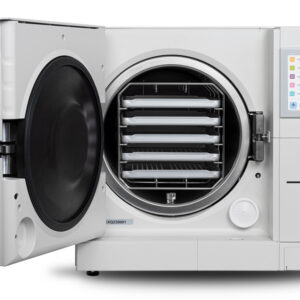
Euronda E9 Class B Autoclave – 24 L | Benchtop Steam Steriliser EN 13060, Colour Touchscreen and Digital Traceability (Ref. 35679)
5.985,00 € In stockAdd to basket -
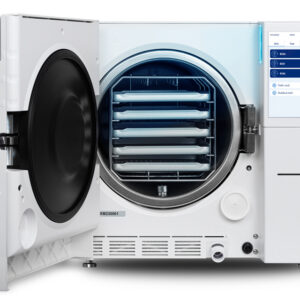
Euronda E10 Class B Steam Autoclave – 24 L | Benchtop Steriliser EN 13060 with 7″ Touchscreen and Vacuum Pump (Ref. 35680)
7.552,50 € In stockAdd to basket