
Buying guide: digital sphygmomanometer
15 products in the catalogue
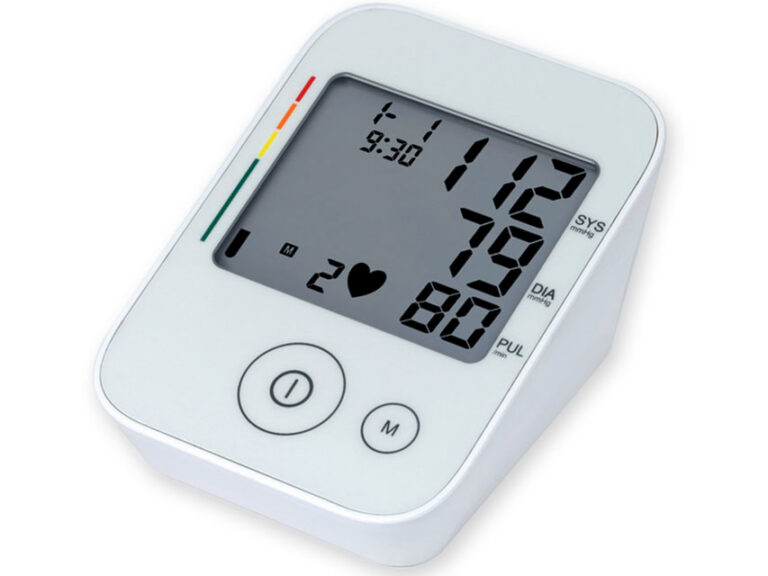
A digital sphygmomanometer is a device that automatically measures blood pressure and pulse rate using an inflatable cuff placed on the arm or wrist. It shows the result on a screen, with no need for a stethoscope. This category also includes a model that allows manual measurement by auscultation.
In a healthcare setting it is used in the consulting room, on the ward, in triage and for home monitoring. That is why details such as per-user memory, irregular heartbeat detection, cuff size or connectivity matter. This guide sets out the criteria worth fixing before you buy: where it will be used for measuring, what arm circumference needs to be covered, how many users will share the device and how it is powered.
Other related families
-
 Diagnostics and Monitoring
The family where the digital sphygmomanometer itself sits and the starting point for comparing models.
-
 Blood Pressure Monitor Cuffs
The cuff largely determines the purchase: size, replacement and whether it can be disinfected between patients.
-
Blood Pressure Monitor Accessories
Covers stands, power supplies and spares that are ordered together with the device.
Products in this guide
- Batteries 13
- Mains power 1
-
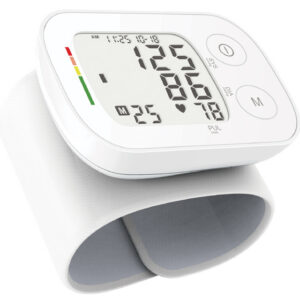
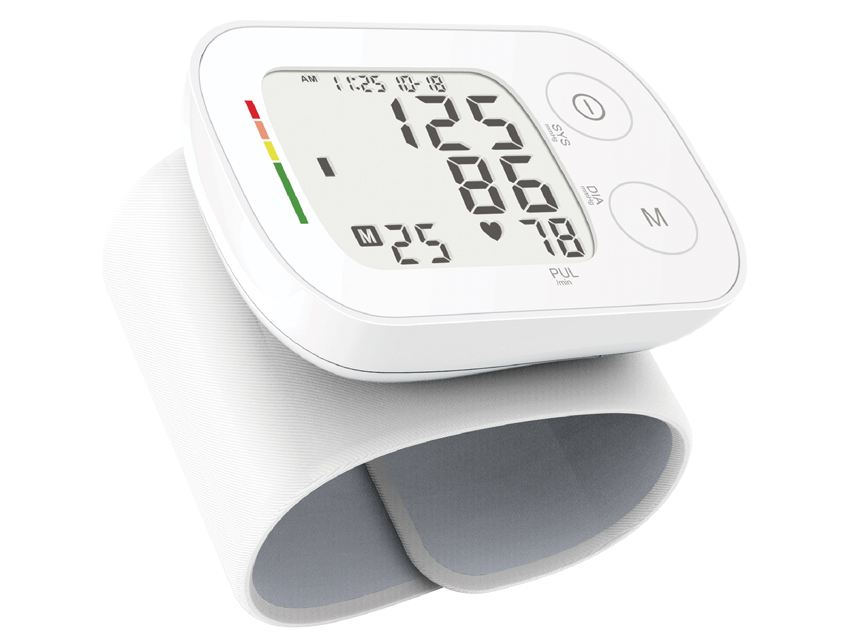
JOLLY Digital Wrist Blood Pressure Monitor – Professional Blood Pressure Monitor with Backlit LCD Display and Multi-User Memory (Ref. 32773)
19,95 € In stockAdd to basket -
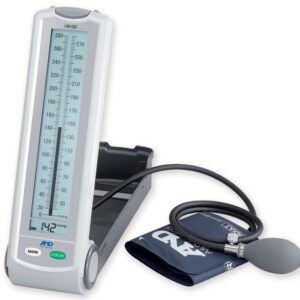
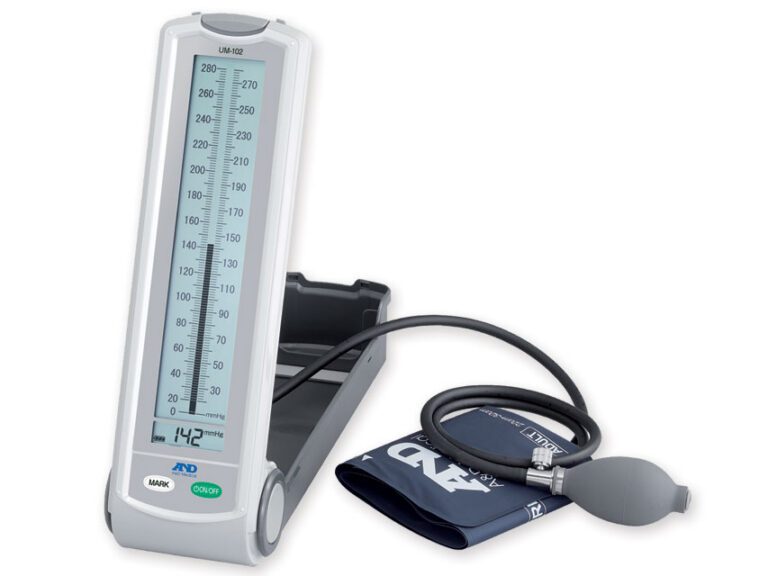
Mercury-Free Sphygmomanometer UM-102 – Auscultatory Blood Pressure Measurement with Digital Pulse Reading, 0-300 mmHg, Adult Cuff 22-32 cm | Ref. GM32775 and GM32776
Price range: 147,25 € through 361,00 € In stockSelect options This product has multiple variants. The options may be chosen on the product page -
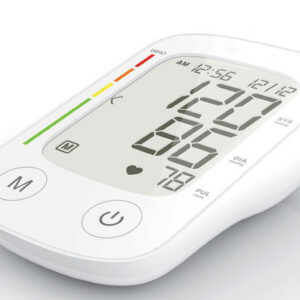
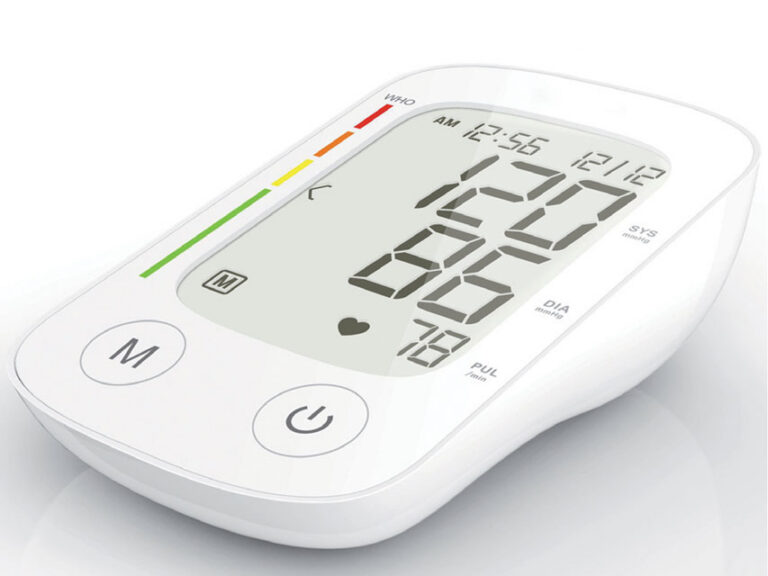
JOLLY Digital Upper Arm Blood Pressure Monitor – Professional Blood Pressure Monitor with Backlit LCD Display and Multi-User Memory (Ref. 32777)
30,40 € In stockAdd to basket -
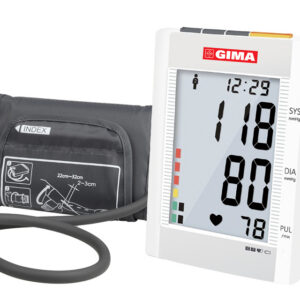
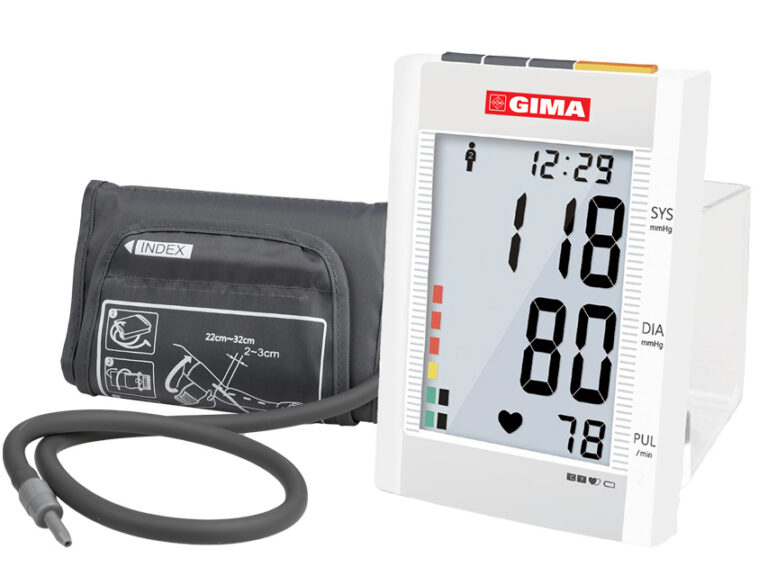
Domino Digital Upper Arm Blood Pressure Monitor – Professional Blood Pressure Monitor (Ref. 32778 / 32779)
Price range: 38,00 € through 94,05 € In stockSelect options This product has multiple variants. The options may be chosen on the product page -
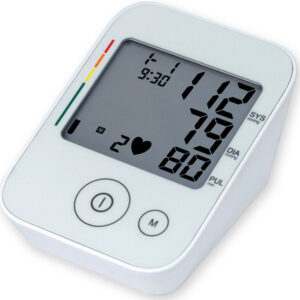
ANDON Digital Upper Arm Blood Pressure Monitor Ref. 32901 – Automatic Blood Pressure Monitor using the Oscillometric Method with LCD Screen, WHO Indicator and Arrhythmia Detection (HB)
21,85 € In stockAdd to basket -
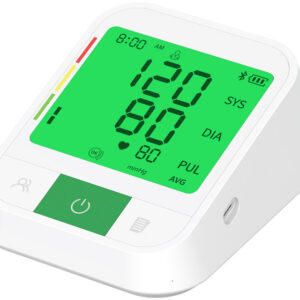
X-CHECK PRO Automatic Digital Upper Arm Blood Pressure Monitor with Bluetooth – Oscillometric Blood Pressure Monitor, 4.2″ LCD Screen with 4-Colour Backlight, Irregular Heartbeat Detection and 2×120 Memory (Ref. 49872)
30,40 € In stockAdd to basket -
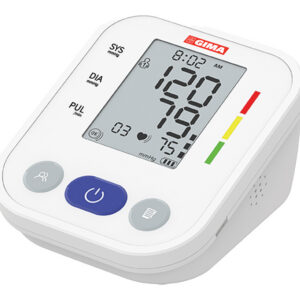
X-CHECK digital arm blood pressure monitor (Ref. 49874) – Automatic oscillometric blood pressure monitor with 22-42 cm cuff, 2×99 memory, irregular heartbeat detection (IHB) and WHO indicator
20,90 € In stockAdd to basket -
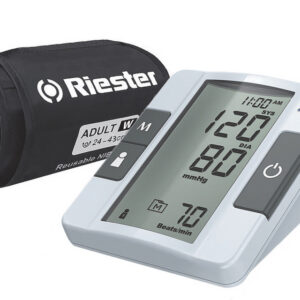
Automatic Digital Arm Blood Pressure Monitor RI-CHAMPION Smart Pro+ (Model 1735) with Adult Cuff, Irregular Heartbeat Detection and Memory for 400 Readings | Blood Pressure Monitor Class IIa (Ref. 49950)
91,20 € In stockAdd to basket
View the Blood Pressure Monitors and Arterial Pressure Monitors family
Buying and selection tips
-
Start with the arm circumference
The cuff is the part that most affects the purchase: it must cover the circumference of the user's arm. Each model declares the circumference range it accepts. Fix the real range of users before deciding on the model.
-
Decide between arm and wrist according to use
There are arm and wrist models. In shared use among several users, arm measurement with a wide-range cuff is easier to manage. Check the manufacturer's instructions for each model.
-
Consider the measurement method
The oscillometric method is automatic and does not require a stethoscope; some models also offer an auscultatory mode for manual measurement. Choose according to the department's practice.
-
Match the memory to the number of users
In some models the memory is divided per user. If the device is shared by several professionals, check how many profiles it supports, how many measurements each one stores and whether it records the date and time.
-
Check the power supply and battery life
The options are batteries, a rechargeable battery or mains power, depending on the model. On a dressing trolley or on ward rounds, battery life and the type of battery affect day-to-day use.
-
Check connectivity and irregular heartbeat detection
Some models include Bluetooth to transfer measurements to an app, and others irregular heartbeat detection. Check what each model declares and whether that function will actually be used.
Frequently asked questions
What arm circumference range do I need to cover before choosing the cuff?
It depends on the users you will be seeing. Each model declares the circumference range of its cuff; if the range does not cover the arm, the device is not suitable for that person.
How many memory profiles does a device used by several professionals need?
In some models the memory is divided per user. The more professionals share the monitor, the more profiles and the more measurements per profile you should require.
How does the power supply affect the choice between batteries, a rechargeable battery or mains power?
Batteries can be replaced at any time, a rechargeable battery depends on being charged, and mains power avoids consumables but ties the device to a socket. If the device moves on ward rounds, battery life matters more than a fixed connection.
Is it essential for the cuff to be disinfectable between patients?
In the consulting room and on the ward it is a practical criterion. Check what the manufacturer declares about cleaning the cuff and always follow its instructions.
Is it worth choosing a model with Bluetooth connectivity for a consulting-room blood pressure monitor?
Only if the history will be used: some models connect to an app to transfer and review the stored measurements. If nobody will use that record, it adds nothing.
Common questions
Assuming that any cuff fits any device
No: the manufacturer recommends using the cuff supplied with the device, because the connection is specific to each model. If you need another size, order it from the same manufacturer.
Interpreting irregular heartbeat detection as a diagnosis
The device only alerts you to an irregularity in the pulse; it does not diagnose. The assessment is for the professional.
Confusing the cuff pressure with the measurement range
The pressure range the cuff accepts is not the declared measurement range of the device. When comparing descriptions, look at the measurement range.
More products in this guide
-
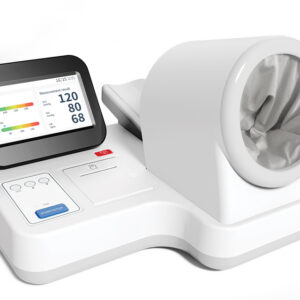
Automatic Digital Upper Arm Blood Pressure Monitor Pharmacy (Ref. 49980) – Oscillometric Monitor with Integrated Cuff 17-42 cm, 7″ Colour Screen and Results Printer
1.520,00 € On orderAdd to basket -
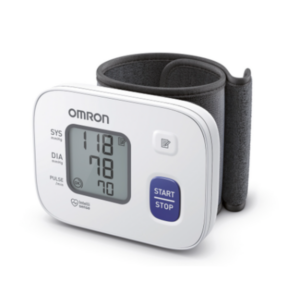
Wrist blood pressure monitor Omron RS2 (HEM-6161-E) | Automatic digital blood pressure monitor with Intellisense, 13.5-21.5 cm cuff, irregular heartbeat indicator and 1×30 memory
50,87 € In stockAdd to basket -
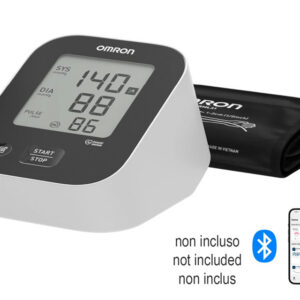
Digital Upper-Arm Blood Pressure Monitor Omron M2+ CONNECT (HEM-7188T1-LE) – Automatic Oscillometric with Intellisense, Bluetooth with OMRON Connect App, 22-42 cm Cuff and Irregular Heartbeat Detection
61,75 € In stockAdd to basket -
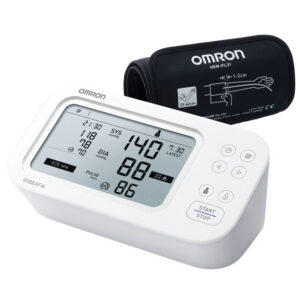
Arm Blood Pressure Monitor Omron M6 Comfort AFib (HEM-7380-E) – Digital Oscillometric Monitor with Atrial Fibrillation Detection in Each Measurement, Intelli Wrap 360° Cuff (22-42 cm), Triple Average and 2×100 Memory
105,45 € In stockAdd to basket -
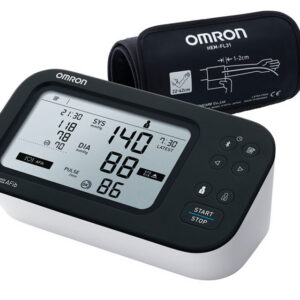
Arm Blood Pressure Monitor Omron M7 Intelli IT AFib (HEM-7380T1-EBK) – Automatic Digital Monitor with Atrial Fibrillation Detection, Intelli Wrap 360° Cuff (22-42 cm), Bluetooth and OMRON Connect App
102,60 € In stockAdd to basket -
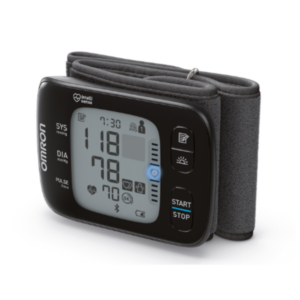
Wrist blood pressure monitor Omron RS7 Intelli IT (HEM-6232T-E) | Digital monitor with Bluetooth and Omron Connect app, LED position sensor, Intellisense and 2×100 memory
111,66 € In stockAdd to basket -
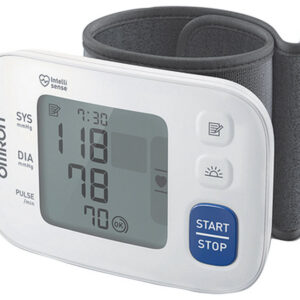
Wrist Blood Pressure Monitor Omron RS4 (HEM-6181-E) – Digital Automatic Blood Pressure Monitor with LED Position Sensor, Intellisense and 1×60 Memory
77,90 € In stockAdd to basket
Keep exploring
- Adult sphygmomanometer: buying guide
- Buying guide to aneroid sphygmomanometers
- Automatic blood pressure monitors: buying guide
- Automatic upper arm blood pressure monitor: buying guide
- Buying guide: digital blood pressure monitors
- Digital blood pressure monitors: buying guide
- blood pressure measurement
- mercury-free
- sphygmomanometer