
Automatic blood pressure monitors: buying guide
15 products in the catalogue
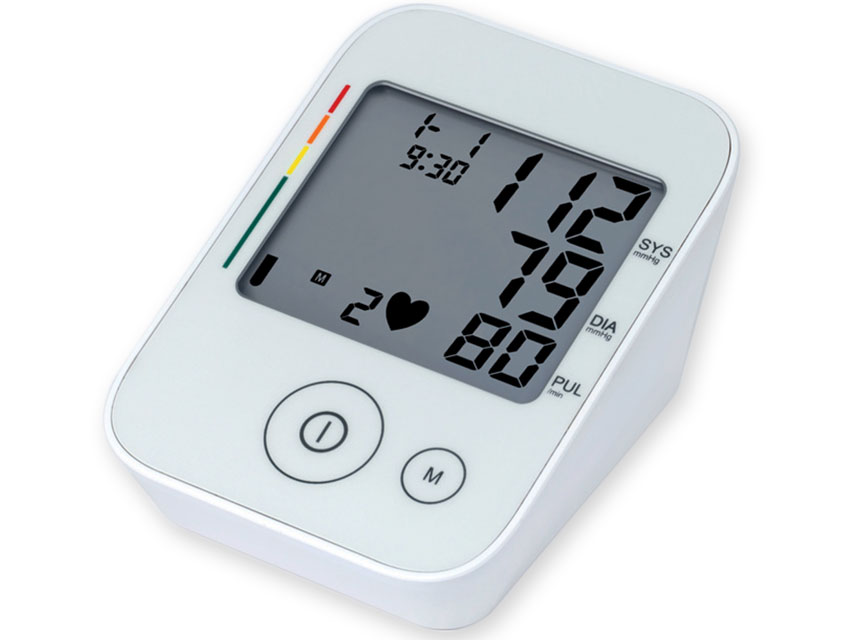
An automatic blood pressure monitor is a device for measuring blood pressure that shows the result on a digital display. The products include upper-arm and wrist models, some with Bluetooth connectivity and others with measurement memory.
The choice is decided by four practical factors: the measurement site (upper arm or wrist), the cuff, the power supply and the memory per user. From there, the buyer considers whether connectivity is needed to transfer the data, whether the device will be used by several people and whether a model with an irregular heartbeat indicator is of interest.
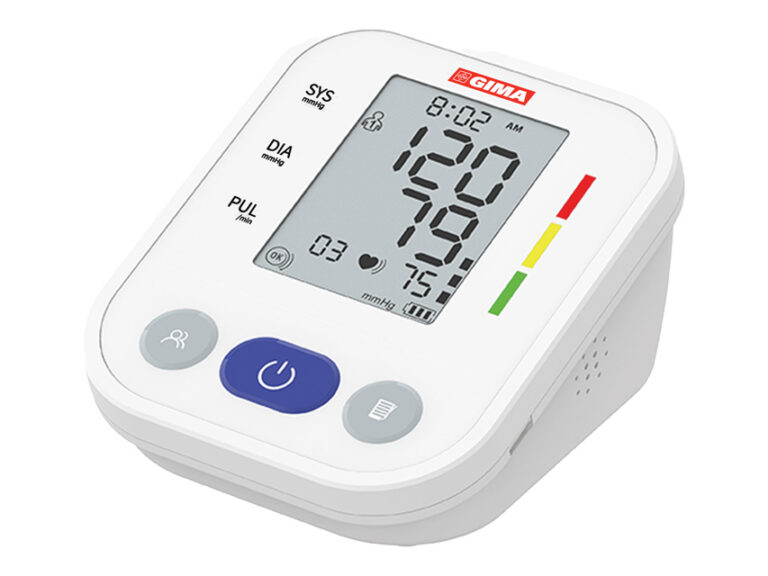
Other related families
-
 Diagnostics and Monitoring
This is the family where the main blood pressure measuring device belongs.
-
 Blood Pressure Monitor Cuffs
Lets you replace the right cuff for each device.
-
Blood Pressure Monitor Accessories
Groups covers, stands and supporting items that are worth checking together with the device.
Products in this guide
- Batteries 12
- Mains power 3
- Rechargeable battery 1
- Adult 1
- Neonatal 1
- Paediatric 1
-
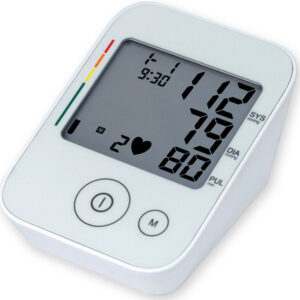
ANDON Digital Upper Arm Blood Pressure Monitor Ref. 32901 – Automatic Blood Pressure Monitor using the Oscillometric Method with LCD Screen, WHO Indicator and Arrhythmia Detection (HB)
21,85 € In stockAdd to basket -
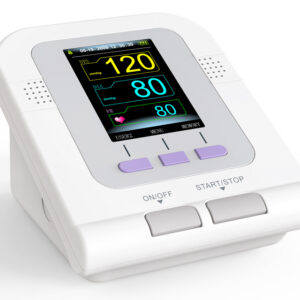
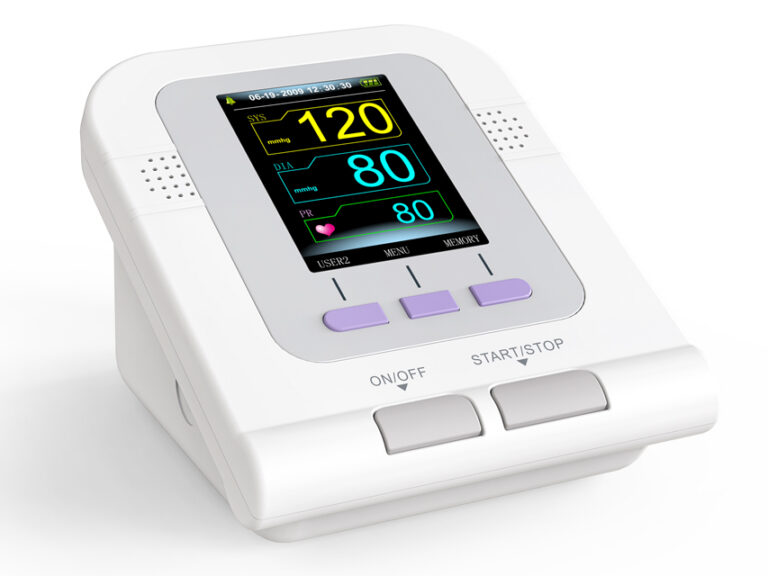
LEO Electronic Blood Pressure Monitor / Sphygmomanometer Ref. 32902 – Automatic Oscillometric Measurement with Colour LCD Screen and PC Software
75,05 € On orderAdd to basket -
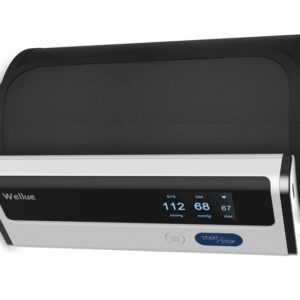
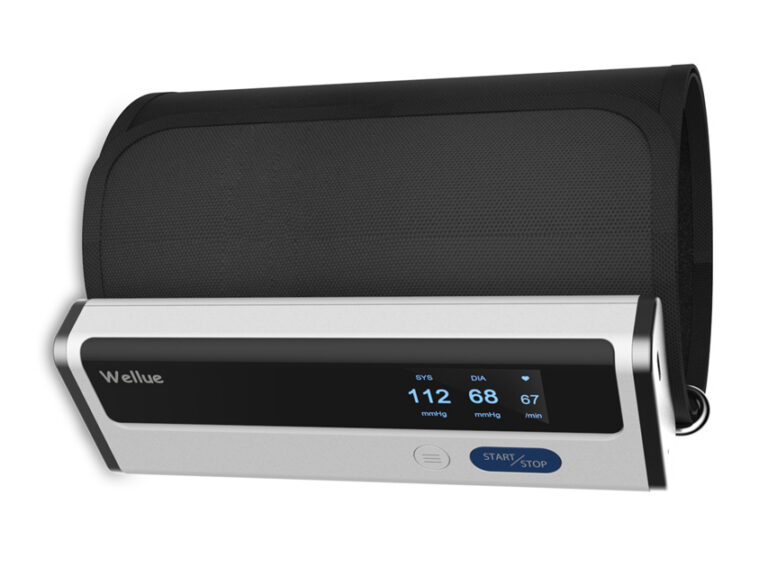
BP2A Upper-Arm Blood Pressure Monitor Bluetooth – Automatic Blood Pressure Monitor with Integrated Cuff 22-42 cm, OLED Screen and ViHealth App
75,05 € In stockAdd to basket -
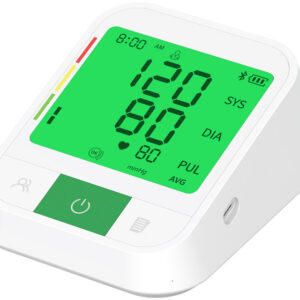
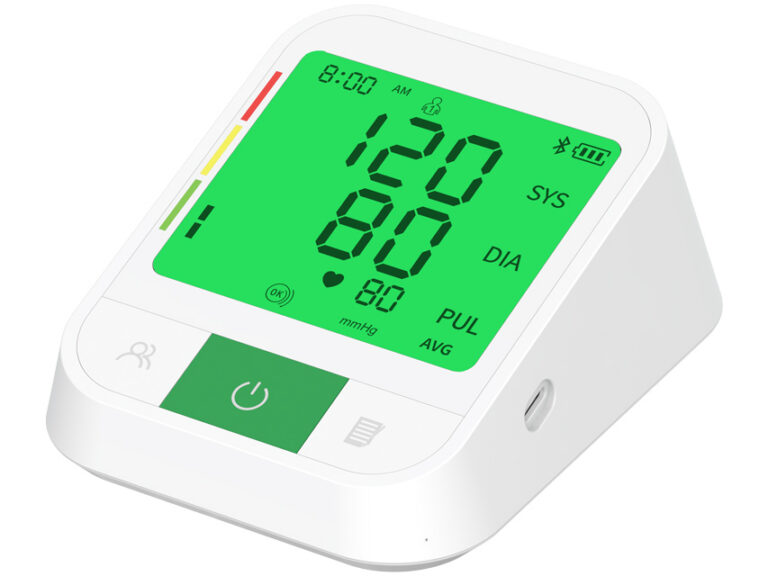
X-CHECK PRO Automatic Digital Upper Arm Blood Pressure Monitor with Bluetooth – Oscillometric Blood Pressure Monitor, 4.2″ LCD Screen with 4-Colour Backlight, Irregular Heartbeat Detection and 2×120 Memory (Ref. 49872)
30,40 € In stockAdd to basket -
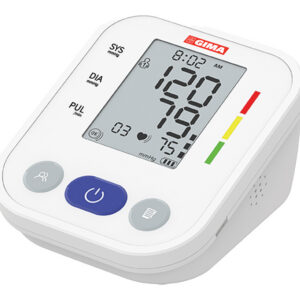
X-CHECK digital arm blood pressure monitor (Ref. 49874) – Automatic oscillometric blood pressure monitor with 22-42 cm cuff, 2×99 memory, irregular heartbeat detection (IHB) and WHO indicator
20,90 € In stockAdd to basket -
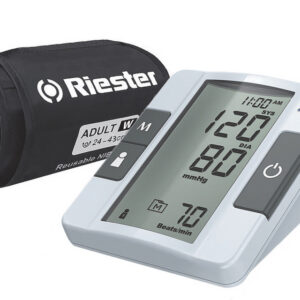
Automatic Digital Arm Blood Pressure Monitor RI-CHAMPION Smart Pro+ (Model 1735) with Adult Cuff, Irregular Heartbeat Detection and Memory for 400 Readings | Blood Pressure Monitor Class IIa (Ref. 49950)
91,20 € In stockAdd to basket -
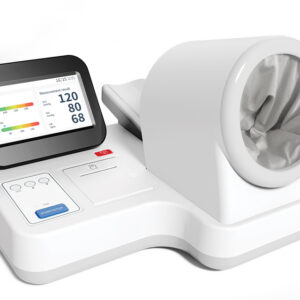
Automatic Digital Upper Arm Blood Pressure Monitor Pharmacy (Ref. 49980) – Oscillometric Monitor with Integrated Cuff 17-42 cm, 7″ Colour Screen and Results Printer
1.520,00 € On orderAdd to basket -
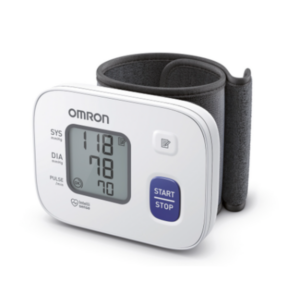
Wrist blood pressure monitor Omron RS2 (HEM-6161-E) | Automatic digital blood pressure monitor with Intellisense, 13.5-21.5 cm cuff, irregular heartbeat indicator and 1×30 memory
50,87 € In stockAdd to basket
View the Blood Pressure Monitors and Arterial Pressure Monitors family
Buying and selection tips
-
Upper arm or wrist
Upper-arm devices have the cuff on the upper arm and wrist devices are worn on the wrist. Before choosing, decide which site will be used routinely, because it determines the type of device and cuff.
-
Cuff suited to the device
The cuff is a component of the device and not a simple accessory. Check what arm circumference each reference covers and whether other sizes are available, and use the cuff specified by the manufacturer.
-
Power supply and battery life
The devices run on batteries and some on mains power or a rechargeable battery. If the device will be in continuous use, check the power source and its stated battery life before deciding.
-
Memory per user
If the device is shared by several people, it is worth having a memory that separates the records by user. Compare the number of measurements each model stores.
-
Irregular heartbeat indicator
Some models incorporate an indicator for irregular heartbeat and body movement during measurement. It is an optional feature worth considering according to the intended use.
-
Connectivity and data transfer
Some models have Bluetooth and an app for saving and viewing measurements. Consider whether the facility needs to transfer the data and whether the device is compatible with its system.
Compatibility
- Wheeled stand or wall mounting
- For use in a consulting room or on a ward, there are wheeled stands and wall-mounting kits that let you keep the device to hand without taking up the work table.
Frequently asked questions
What arm circumference should the cuff of the device I buy cover?
It depends on the reference: check the range of arm circumference that the cuff covers and, if the patient falls outside it, look for another size compatible with the same device.
How many measurements should the memory store if two people use the device?
Some devices have two memory banks, one per user. If readings from different days are to be compared, an extensive history makes review easier.
Is battery power enough for intensive use in a consulting room?
It depends on the model and the stated battery life. If the device is used daily, plan for spare batteries or an alternative power source.
Do I need a model with Bluetooth connectivity, or will one without do?
Only if the measurements are going to be transferred to an app or system. If not, a model without connectivity and with internal memory covers normal use.
Is an upper-arm or a wrist model better for shared use?
Upper-arm models are the most common in professional settings, while wrist models are more compact. Choose according to the measurement site that most users will use.
Common questions
A bigger cuff always works better
No. The cuff must correspond to the arm circumference and to the device; use the size the manufacturer specifies.
Any cuff can be used with any device
No. The cuff supplied or specified by the device manufacturer must be used.
All automatic blood pressure monitors have memory and connectivity
No. Memory, the number of users and connectivity vary by model; check in the description of each reference.
More products in this guide
-
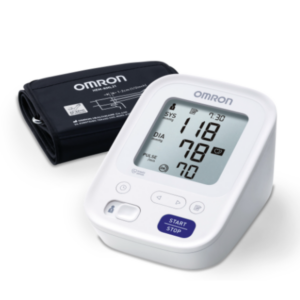
Arm Blood Pressure Monitor Omron M3 Professional (HEM-7154-E) – Automatic Blood Pressure Monitor with Easy Cuff 22-42 cm, 2×60 Memory and Irregular Heartbeat Detection
58,87 € In stockAdd to basket -
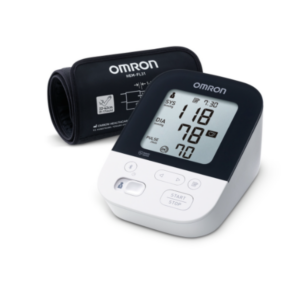
Arm Blood Pressure Monitor Omron M4 Connect AFib (HEM-7155T-EBK) – Automatic Oscillometric with Atrial Fibrillation Detection, Intelli Wrap 360° Cuff (22-42 cm), Bluetooth and Omron Connect App
63,58 € In stockAdd to basket -
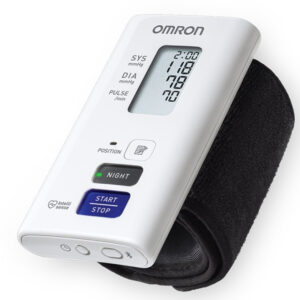
Wrist Blood Pressure Monitor Omron NightView (HEM-9601T-E3) – Automatic Blood Pressure Monitor with Programmed Night Measurement, Irregular Heartbeat Detection and Bluetooth Connectivity with OMRON Connect App
323,00 € In stockAdd to basket -
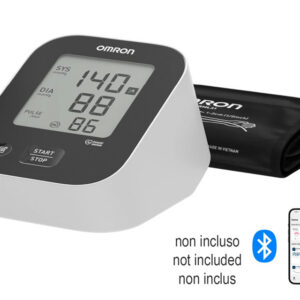
Digital Upper-Arm Blood Pressure Monitor Omron M2+ CONNECT (HEM-7188T1-LE) – Automatic Oscillometric with Intellisense, Bluetooth with OMRON Connect App, 22-42 cm Cuff and Irregular Heartbeat Detection
61,75 € In stockAdd to basket -
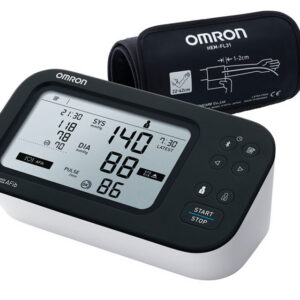
Arm Blood Pressure Monitor Omron M7 Intelli IT AFib (HEM-7380T1-EBK) – Automatic Digital Monitor with Atrial Fibrillation Detection, Intelli Wrap 360° Cuff (22-42 cm), Bluetooth and OMRON Connect App
102,60 € In stockAdd to basket -
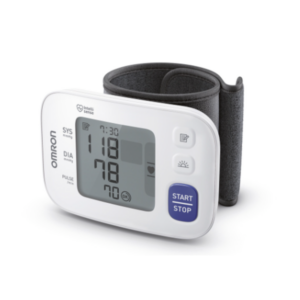
Wrist blood pressure monitor Omron RS4 (HEM-6181-E) – Automatic blood pressure monitor with LED position sensor, Intellisense and irregular heartbeat indicator
In stockRequest a quote -
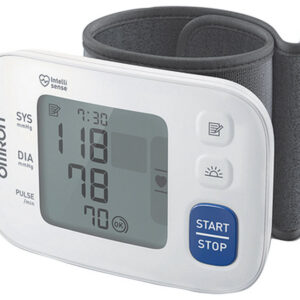
Wrist Blood Pressure Monitor Omron RS4 (HEM-6181-E) – Digital Automatic Blood Pressure Monitor with LED Position Sensor, Intellisense and 1×60 Memory
77,90 € In stockAdd to basket