
How to choose a professional blood pressure monitor
79 products in the catalogue
A professional blood pressure monitor is the device used to measure blood pressure in the clinic, on the ward or at triage. Measurement can be automatic, using the oscillometric method, or manual, using an aneroid sphygmomanometer and auscultation with a stethoscope; there are desktop units that allow both modes on the same device.
In a healthcare setting the purchasing decision is not limited to the stated accuracy. The measurement site, the type of patient being seen, the size and connection system of the cuff, and how easily it can be cleaned between patients all count. Added to this is the handling of readings: memory per user, averaging of several measurements and indicators such as irregular heartbeat detection. This guide sets out the criteria worth checking before choosing: measurement method, device format, compatible cuffs, power supply and accessories.
Other related families
-
 Diagnostics and Monitoring
Groups the measuring and monitoring equipment that the professional buyer needs for taking vital signs.
-
 Blood Pressure Monitor Cuffs
Brings together cuffs by size, the component that most affects the choice of blood pressure monitor and its use between patients.
-
Blood Pressure Monitor Accessories
Helps you find the replacement material associated with the blood pressure monitor, such as cuffs, covers and connection accessories.
Products in this guide
- Batteries 28
- Rechargeable battery 9
- Mains power 5
- Unit 71
- Kit 1
- Medical device 67
- Sanitary kit 5
- I m 33
- II a 31
- I 2
-
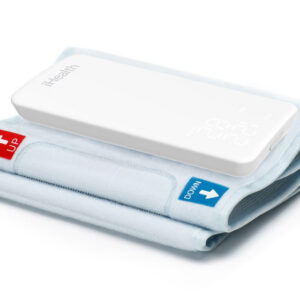
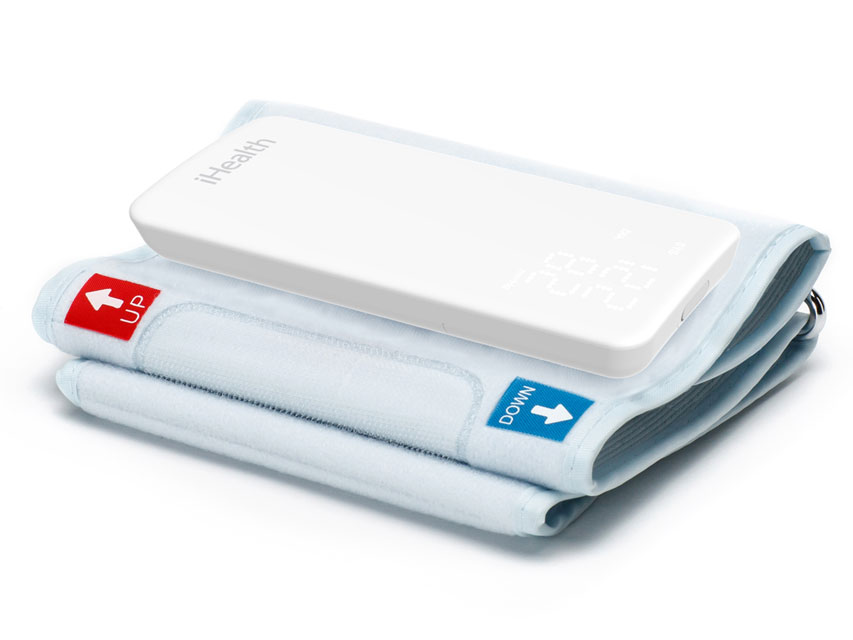
iHealth NEO BP5S Arm Blood Pressure Monitor with Backlit Display, Bluetooth 4.0 and Arrhythmia Detection – Blood Pressure Monitor (Ref. 23495)
105,45 € In stockAdd to basket -
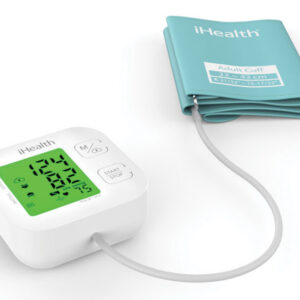
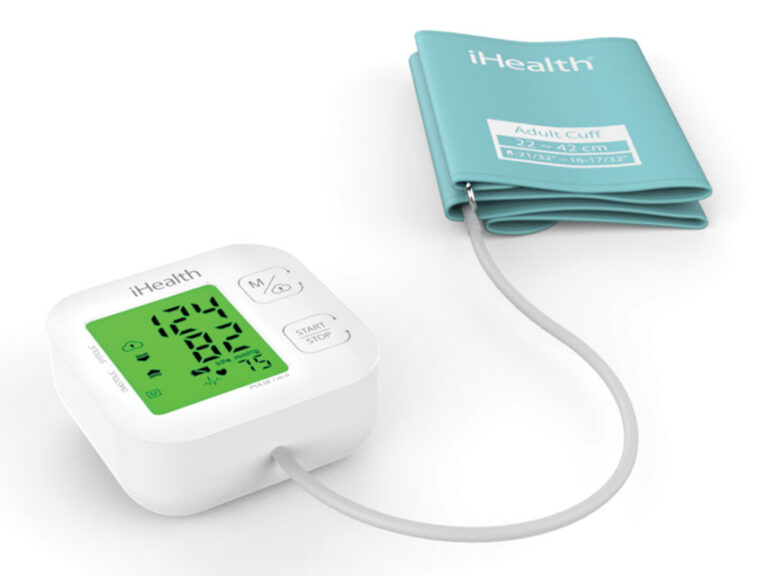
iHealth TRACK Connected Arm Blood Pressure Monitor with Bluetooth 4.0 – ESH-Validated Blood Pressure Monitor with Arrhythmia Detection (Ref. 23499)
35,63 € In stockAdd to basket -
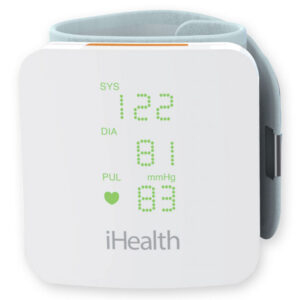
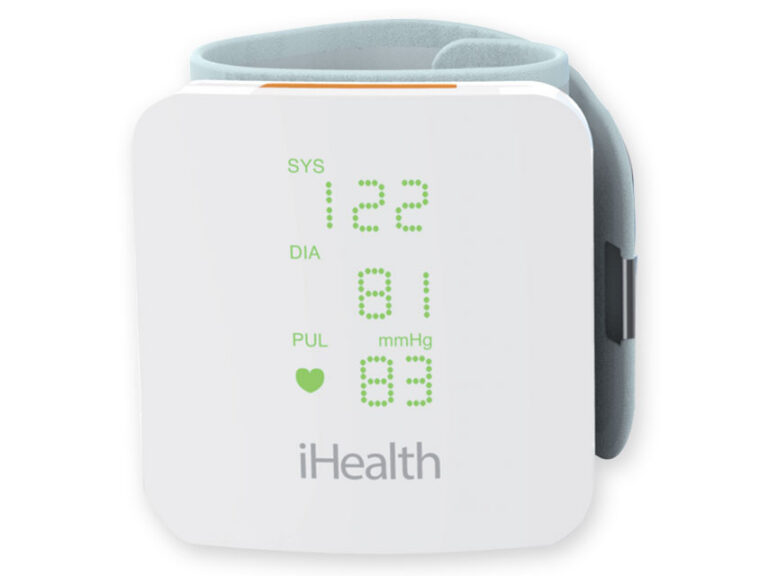
iHealth View BP7s Wrist Blood Pressure Monitor with Display, Bluetooth 4.0 and Arrhythmia Detection – Connected Blood Pressure Monitor (Ref. 23502)
89,30 € In stockAdd to basket -
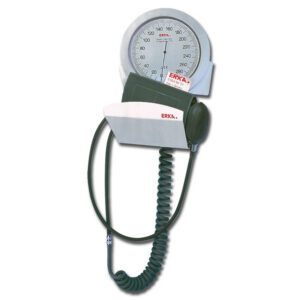
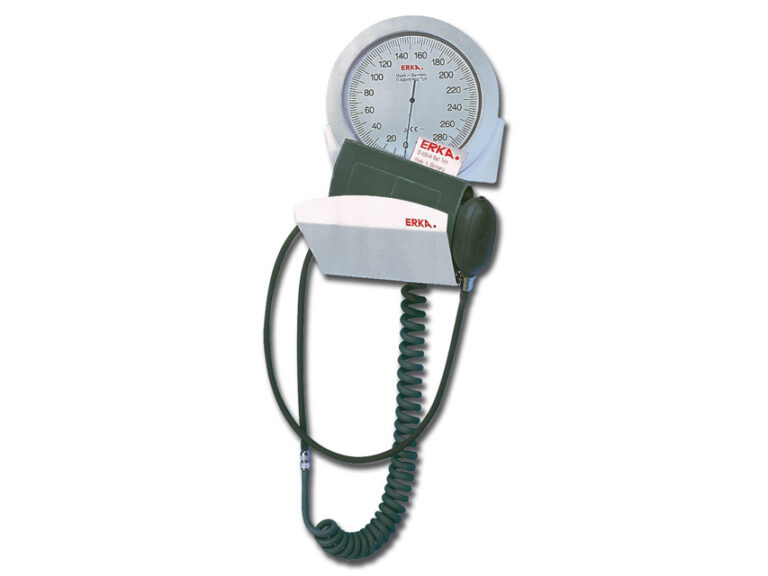
ERKA VARIO wall-mounted aneroid sphygmomanometer – Wall blood pressure monitor with orientable dial, scale 0-300 mmHg (±3 mmHg) and adult cuff (Ref. GM32672)
280,25 € In stockSelect options This product has multiple variants. The options may be chosen on the product page -
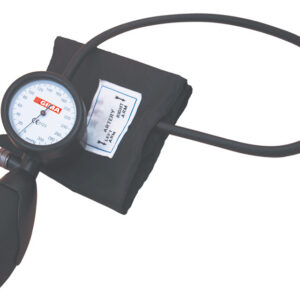
KOBE Palm Aneroid Sphygmomanometer – Manual Blood Pressure Monitor with Large Manometer, 0-300 mmHg Scale and Adult Nylon Cuff (Ref. 32690)
19,00 € In stockAdd to basket -
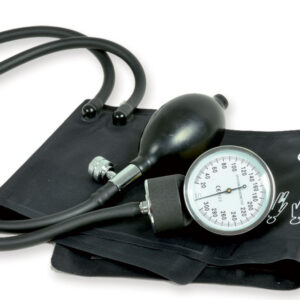
YTON Aneroid Sphygmomanometer – Manual Blood Pressure Monitor with One-Piece Cuff, Gauge with Clip and Scale 0-300 mmHg (Ref. GM32692)
Price range: 17,58 € through 23,75 € In stockSelect options This product has multiple variants. The options may be chosen on the product page -

YTON Aneroid Sphygmomanometer Kit with Stethoscope – Manual Auscultatory Blood Pressure Monitor with Nylon Cuff and Velcro Closure, Scale 0-300 mmHg (Ref. GM32693)
15,68 € In stockAdd to basket -
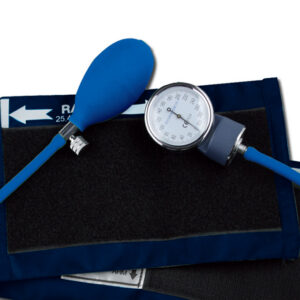
YTON Latex-Free Aneroid Sphygmomanometer – Manual Blood Pressure Monitor with Blue Nylon Cuff and Velcro Closure, Scale 0-300 mmHg (Ref. GM32704)
15,20 € In stockAdd to basket
View the Blood Pressure Monitors and Arterial Pressure Monitors family
Buying and selection tips
-
Aneroid or fully automatic
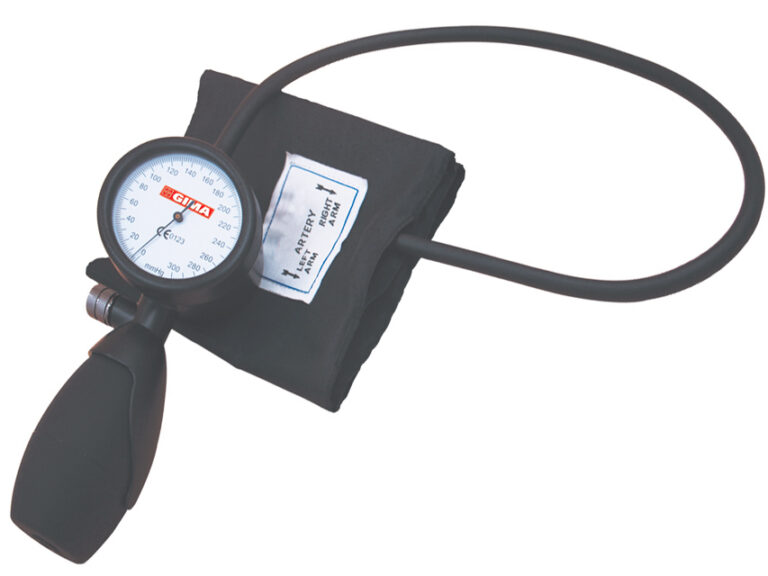
The aneroid sphygmomanometer consists of a graduated dial gauge, cuff and inflation bulb, and some come with a case, with or without a stethoscope; it works without mercury and is simple to use. By contrast, automatic devices take the measurement on their own and add features to support record-keeping. The choice depends on whether the department wants to delegate measurement to the device or keep control of inflation and auscultation.
-
Dual mode in one device
Some desktop blood pressure monitors let you choose between automatic operation using the oscillometric method and manual operation using the auscultatory method with a stethoscope, and include an irregular heart rhythm indicator. For a department that alternates repeated measurements with manual checks, a single device with both modes reduces the equipment that needs to be available. Decide in advance which mode will be for daily use and which for cross-checking.
-
Arm or wrist
Measurement can be taken on the arm or the wrist, and the formats differ in cuff, memory and handling. Some arm models accept cuffs of several sizes and store the last 60 measurements for each of four users, with the average of the last three calculated. Some wrist models are compact and display systolic and diastolic pressure, pulse, date and time.
-
Cuff size
The cuff must fit the circumference of the patient's arm and it influences the purchase. Sizes such as paediatric, child and adult are available, with different lengths and widths and Velcro or ring fastening systems with one or two outlets. Before deciding, settle the main patient type and the additional sizes you need to cover.
-
Cuff hygiene
In professional use the cuff is used on many patients, so cleaning it is not a minor detail. Consider latex-free cuffs with colours that identify the size at a glance, and always follow the manufacturer's instructions for cleaning and disinfection.
-
Power supply and battery life
In professional devices, battery life is stated as a number of measurements: some models with a rechargeable battery claim around 300 measurements per charge. This figure shapes the department's daily logistics. Also check whether the rechargeable battery, charger and adaptor are part of the supply.
Frequently asked questions
Is an aneroid or an automatic blood pressure monitor preferable for professional use?
It depends on the way of working. The aneroid, which is mercury-free, relies on a gauge, cuff and inflation bulb, and leaves the reading in the hands of the operator. Automatic devices take the measurement on their own. A desktop device can even offer both modes.
Does measuring on the arm or the wrist change the purchasing decision?
Yes, because it is not the same product. Arm blood pressure monitors accept cuffs of different sizes and some allow use by several users with stored series of measurements. Wrist models are more compact. The choice affects the cuff size and the working routine.
How do I determine the cuff size I need?
By the circumference of the patient's arm and the type of patient seen. Cuffs are available in sizes such as paediatric, child and adult, with different lengths and widths and with one or two outlets depending on the device. Check the number of centimetres each size covers before deciding how many units to buy.
What should I look for in a cuff used with several patients?
That it is easy to clean, latex-free and shows the size clearly, for example with colours. Follow the manufacturer's instructions for cleaning and disinfection. This is a purchasing criterion, not an accessory.
What battery life should I check in the device's power supply?
It is worth checking whether the supply includes a rechargeable battery, charger and adaptor. Some models with a rechargeable battery claim around 300 measurements per charge, a figure that shapes the department's recharging or replacement routine.
Can I record the readings of several clinicians on the same device?
Some devices separate readings by user: an arm blood pressure monitor can be used by four different users and store the last 60 measurements of each, also calculating the average of the last three. Check this allocation when comparing devices, because not all of them manage memory in the same way.
Common questions
Any cuff fits any blood pressure monitor
No. The connection matters as much as the size: some cuffs are used as one-tube or two-tube cuffs, with a swivel port and a specific connector, and the circumference range varies from one model to another. Before buying replacements, confirm the device's connection system and the size being replaced.
Device memory and memory per user are the same thing
They are not. The same device can be used by four different users and store the last 60 measurements for each, so the number of records available is multiplied by the number of users. When comparing devices, read whether the memory figure is a total or per user.
Assuming that all digital blood pressure monitors include the same indicators
Some devices include an irregular heartbeat indicator and body movement detection, but not all models include the same indicators or with the same scope, so it is best to check them one by one.
Automatic and manual modes are mutually exclusive
Not necessarily. Some desktop devices allow you to choose between automatic operation using the oscillometric method and manual operation using the auscultatory method with a stethoscope, and indicate irregular heart rhythm. If the department wants to keep auscultatory measurement without giving up automatic readings, this dual mode is the criterion to look for.
More products in this guide
-
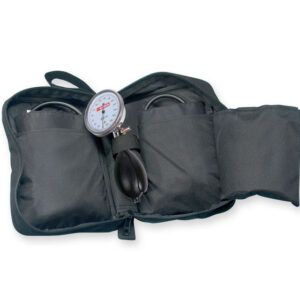
Paediatric aneroid sphygmomanometer SIRIO PEDIATRIC KIT – Blood pressure monitor with 3 paediatric cuffs (4 months–10 years) in nylon bag | Ref. GM32705
68,40 € In stockAdd to basket -
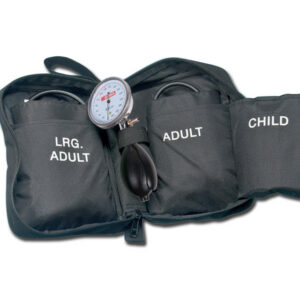
Aneroid sphygmomanometer SIRIO KIT 3 – Blood pressure monitor with 3 one-piece latex-free cuffs (child, adult and adult large) in nylon bag | Ref. GM32706
66,50 € In stockAdd to basket -
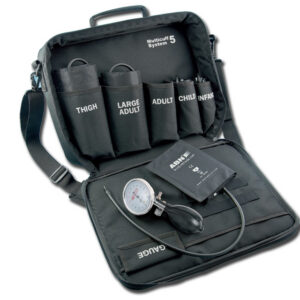
Aneroid sphygmomanometer SIRIO KIT 5 – Blood pressure monitor with 5 cuffs (infant, child, adult, large adult and thigh) in nylon bag | Ref. GM32707
123,50 € In stockAdd to basket -
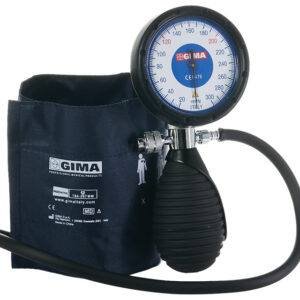
Paediatric Aneroid Blood Pressure Monitor ROMA – Palm Sphygmomanometer 1 Tube with Cuff 35×11 cm (Ref. 32709)
24,70 € In stockAdd to basket -
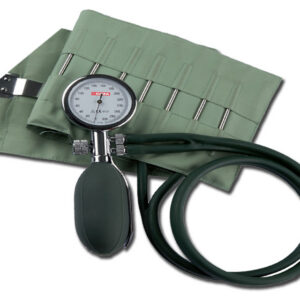
MINOR 2 aneroid blood pressure monitor – Professional 2-tube sphygmomanometer with cotton cuff (ref. 32713)
Price range: 30,40 € through 47,50 € In stockSelect options This product has multiple variants. The options may be chosen on the product page -
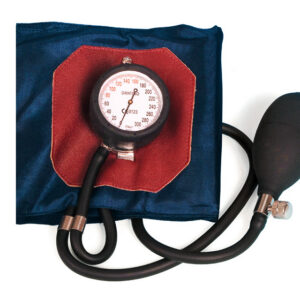
Aneroid Sphygmomanometer GIMATONO – Manual Blood Pressure Monitor without Latex with Chrome-Plated Manometer on Cuff, 2-Tube TPU Bladder Adult Size (Ref. 32719)
18,05 € In stockAdd to basket -
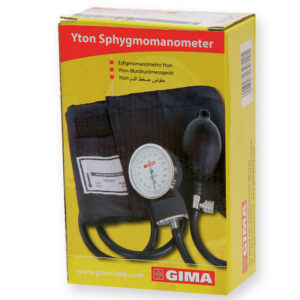
YTON Aneroid Sphygmomanometer – Blood Pressure Monitor with Black Nylon Cuff and Velcro Closure, Scale 0-300 mmHg, Includes Carrying Bag (Ref. 32720)
13,78 € In stockAdd to basket -
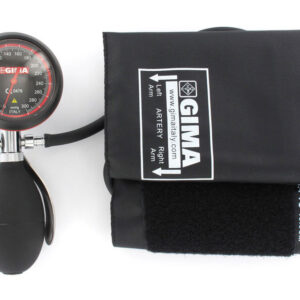
London aneroid sphygmomanometer – Adult manual blood pressure monitor without latex with nylon cuff and 55 mm ABS manometer (Ref. GM32725 / GM32726)
20,90 € In stockSelect options This product has multiple variants. The options may be chosen on the product page
Keep exploring
- Adult sphygmomanometer: buying guide
- Buying guide to aneroid sphygmomanometers
- Automatic blood pressure monitors: buying guide
- Automatic upper arm blood pressure monitor: buying guide
- Buying guide: digital blood pressure monitors
- Digital blood pressure monitors: buying guide
- blood pressure measurement
- latex-free
- manual blood pressure monitor
- sphygmomanometer
- adult cuff
- stethoscope
- medical device
- paediatric
- sleeve