


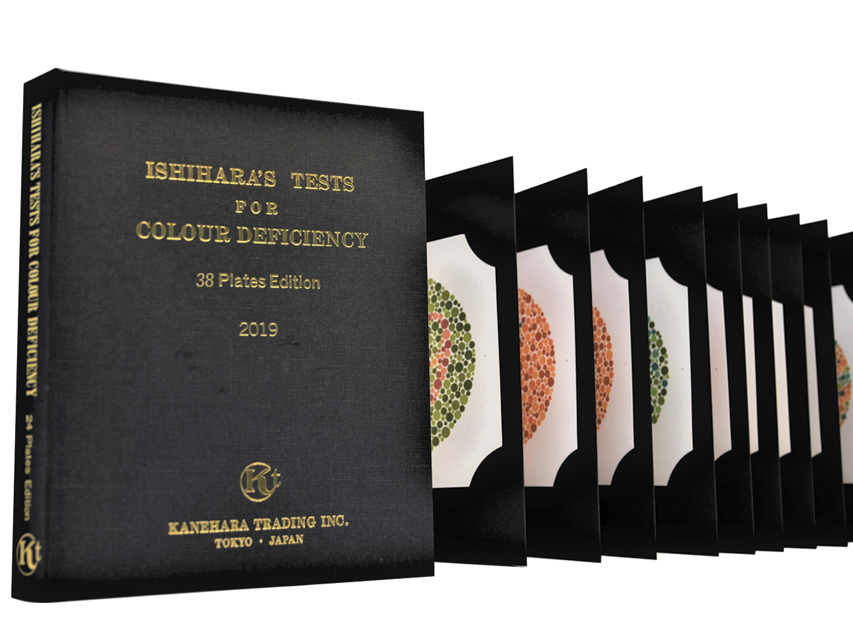

Description
1. Ishihara Test: reliable colour vision screening
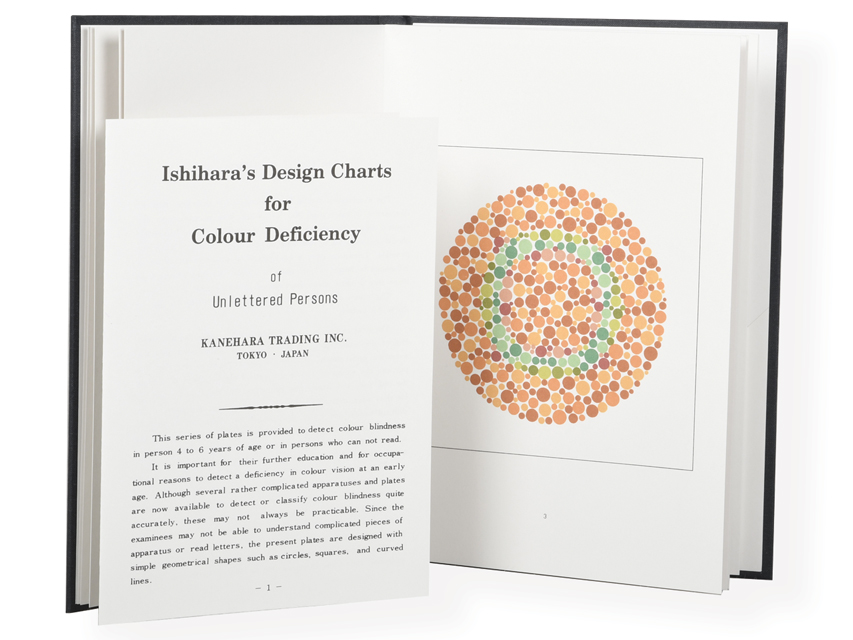
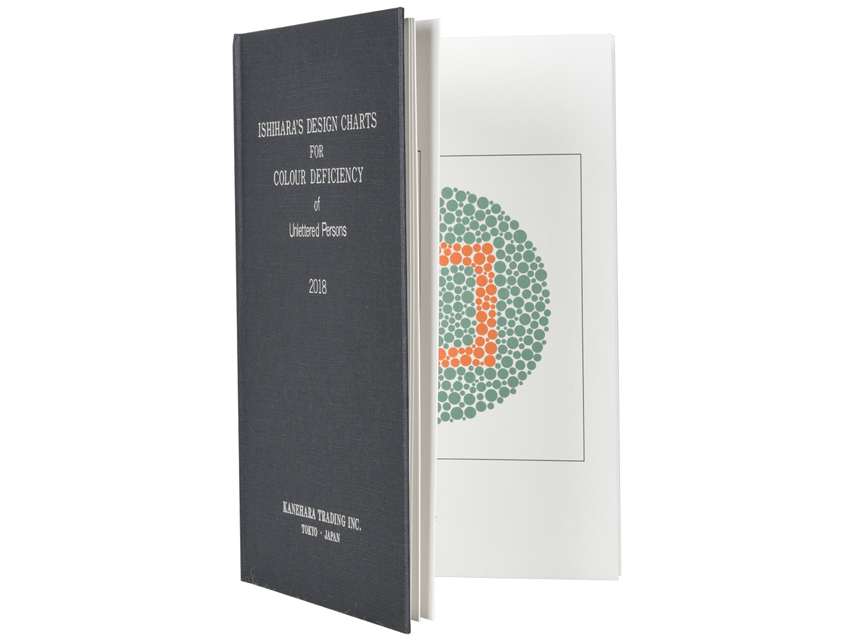
The Ishihara test is the reference method for the rapid and accurate detection of congenital colour vision deficiencies, better known as colour blindness. This 10-plate book is specifically designed to examine people who cannot read, such as young children or patients with reading and writing difficulties, without losing the diagnostic rigour of the standard Ishihara test. A practical and lightweight solution for ophthalmology practices, optometry clinics, occupational medicine centres and visual screening campaigns.
2. Technical explanation of the test
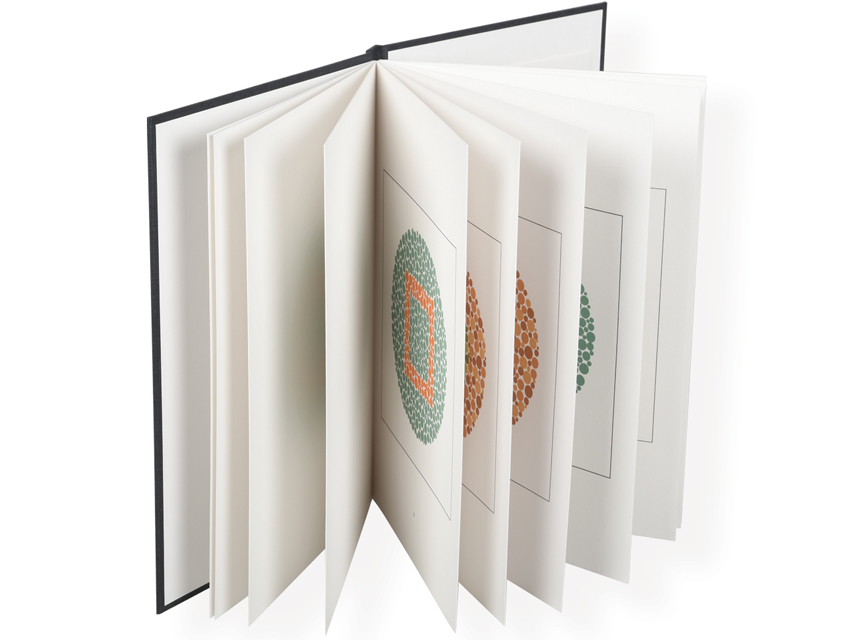
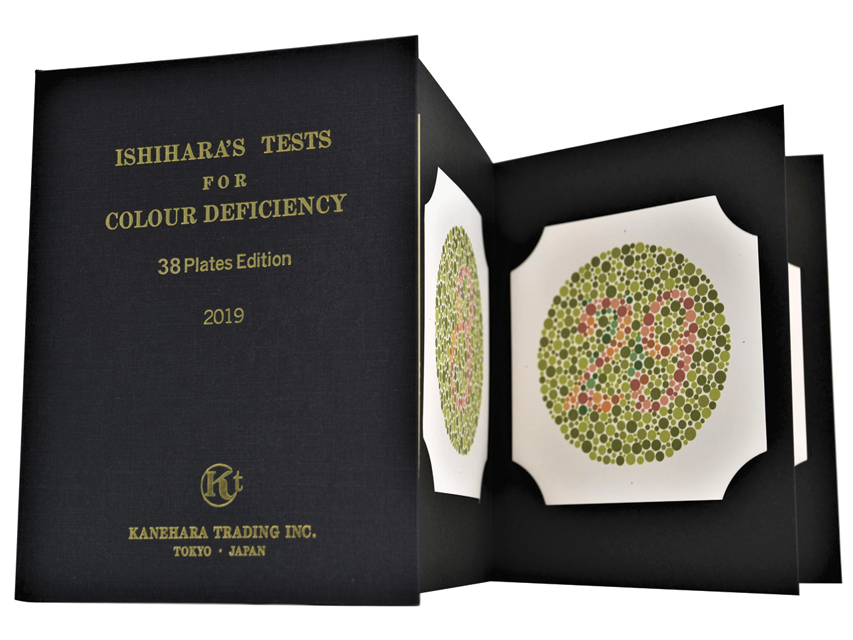
Ishihara plates are pseudoisochromatic plates: on a background of coloured dots, a stimulus is presented that can only be perceived correctly when colour vision is normal. In this edition for illiterates, the stimulus takes the form of simple geometric figures, since the examinee may not be able to understand numbers or more complex shapes, allowing the test to be applied regardless of the patient’s literacy level.
Colour vision testing requires a high level of sensitivity and specificity, and this test provides a rapid and accurate assessment of congenital dyschromatopsias. Most diagnosed cases correspond to red-green deficiencies, which can be of two types:
- Protan, which can be absolute (protanopia) or partial (protanomalia).
- Deutan, which can be absolute (deuteranopia) or partial (deuteranomalia).
3. Technical Specifications
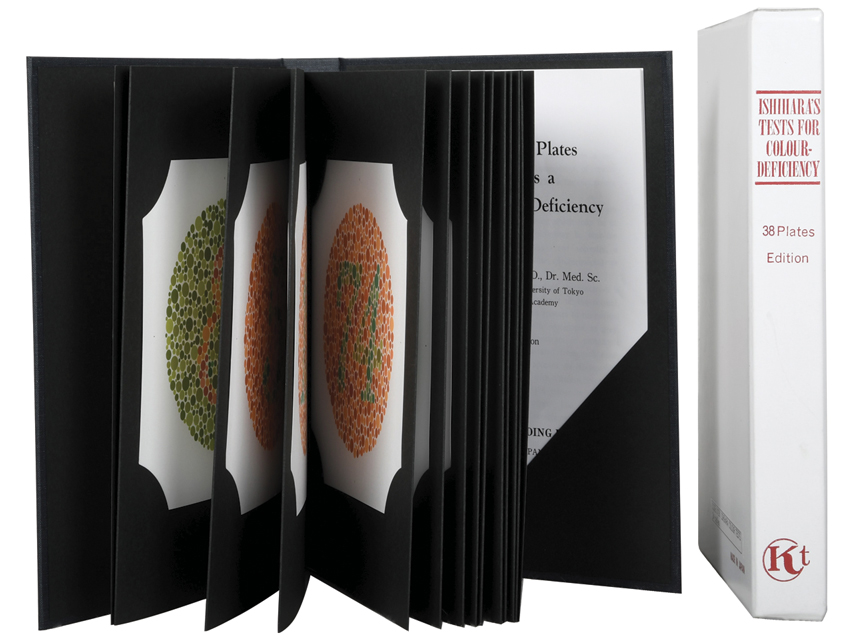
The test is presented as a book of plates with simple geometric figures, designed for the detection of colour blindness and anomalies in colour perception from an early age. It is a class I medical device according to the manufacturer, with GMDN code 12293.
Available references
| Reference | Number of plates | Sales unit |
|---|---|---|
| GM31290 | 10 plates (for illiterates) | 1 unit |
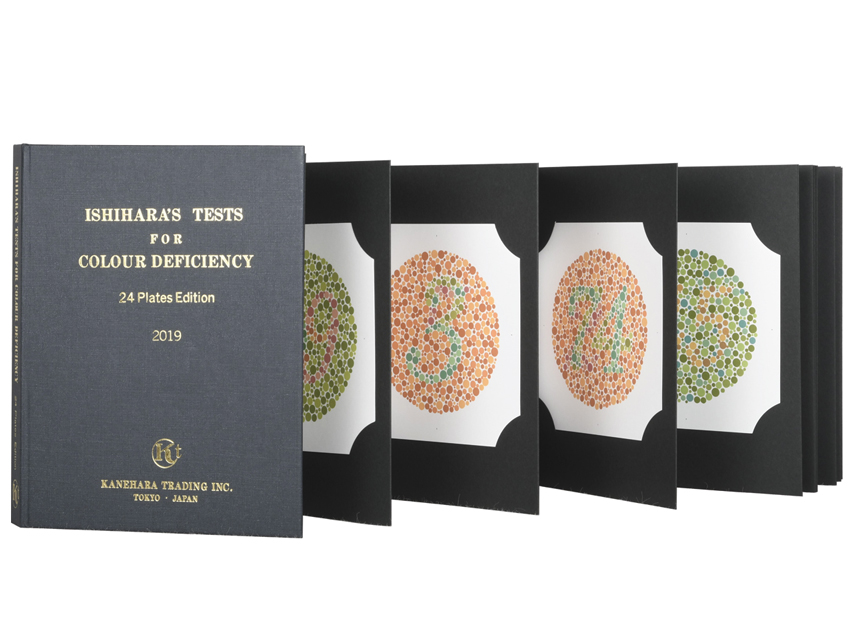
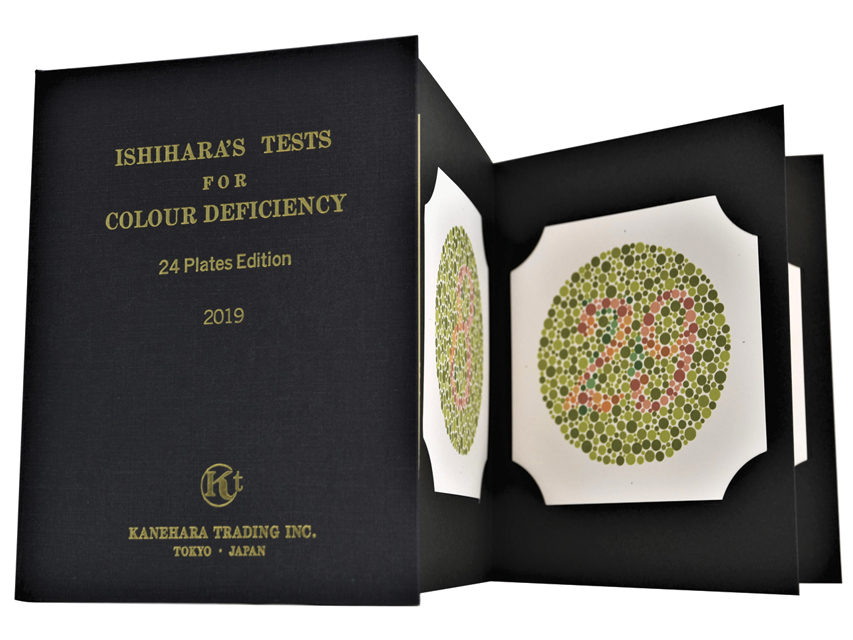
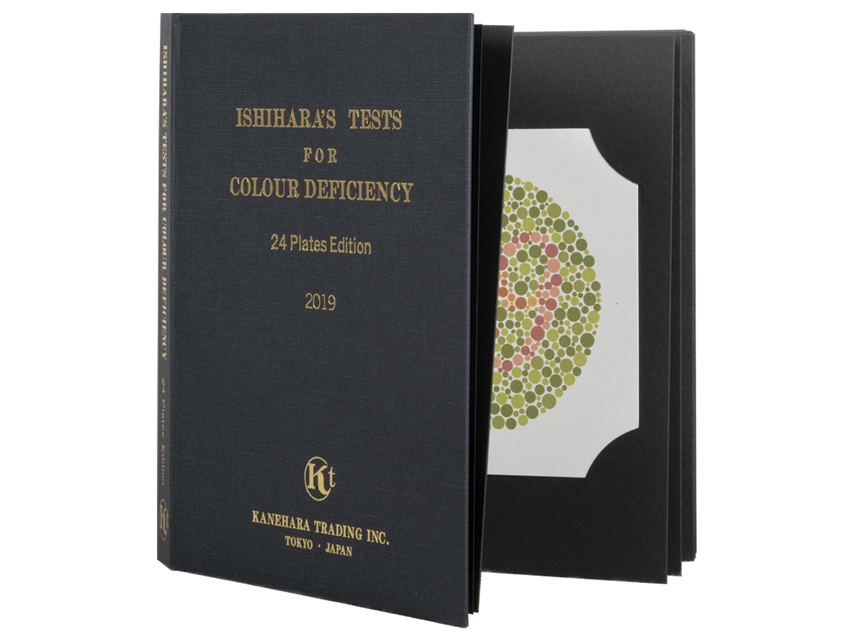
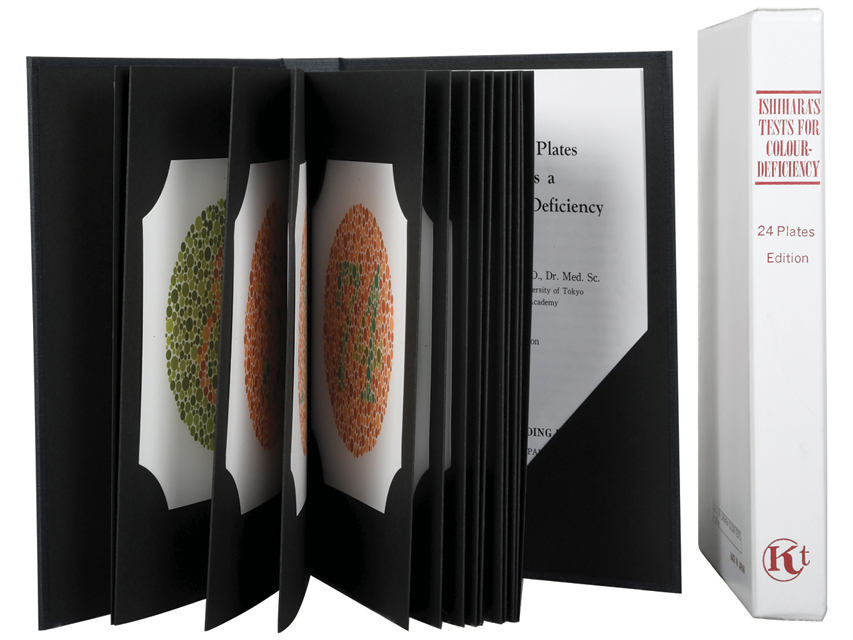
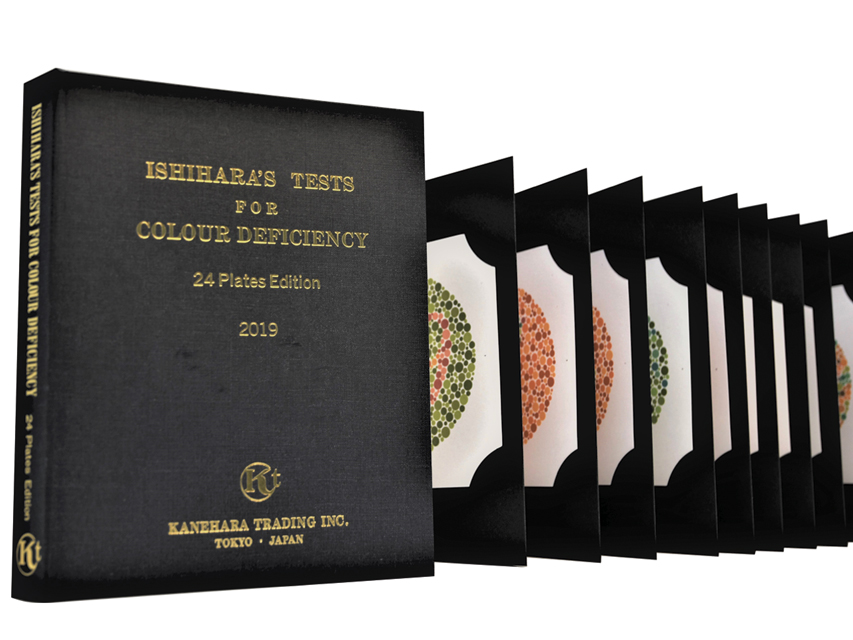
| GM31291 | 24 plates | 1 unit |
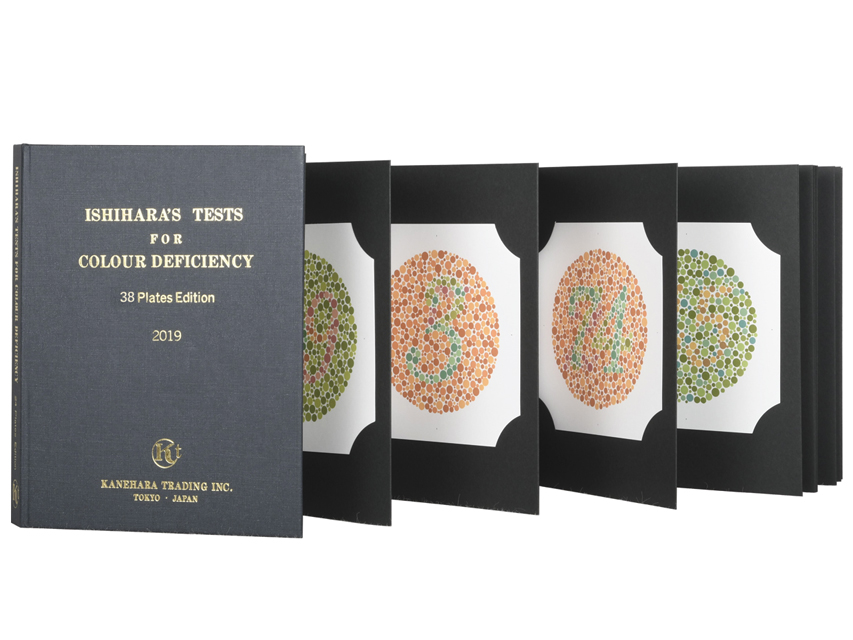
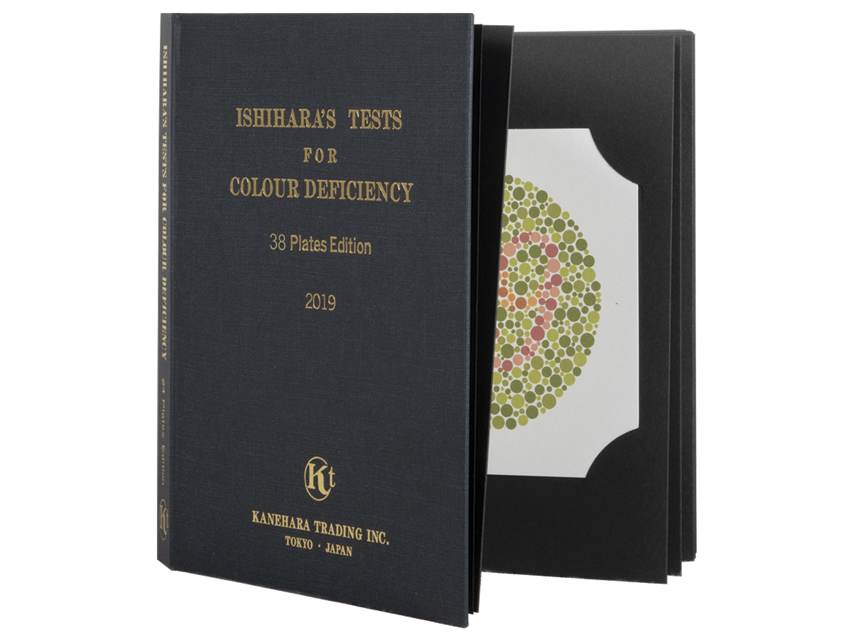
| GM31292 | 38 plates | 1 unit |
Product data
| Manufacturer | GIMA |
|---|---|
| Sales unit | 1 unit |
| Presentation | Book of 10 plates with geometric figures for illiterates |
| Target population | People who cannot read, children and patients with reading and writing difficulties |
| Device type | Medical device |
| Device class | I |
| GMDN | 12293 |
4. Equivalences and Cross-References
This product corresponds to references 31290, 31291 and 31292, marketed by Cahnos as GM31290, GM31291 and GM31292 (this item, GM31290-F, corresponds to the 10-plate edition for illiterates). The Ishihara test is a standardised and widely recognised diagnostic method for colour vision screening; however, the sources consulted do not document a validated 1:1 equivalence table with other commercial brands for these references, so we recommend always verifying the compatibility of the test (number of plates and type of stimulus) with your examination protocol before any substitution with another brand.
Within the Cahnos catalogue you will find other references from the same visual examination family, such as the EWING optotype for illiterates (GM31310), the STEREOPTIC stereoscopic test (GM31293) and the Snellen, SLOAN and TUMBLING E visual acuity optometric charts from the GM31301 to GM31311 series, as well as the LEA optotype series for paediatric screening (GM31322 to GM31325).
5. Selection tips and variants of interest
Choose the 10-plate version for illiterates (GM31290) if your target population includes young children, people without literacy or patients who cannot recognise numbers: the simple geometric figures make the test possible without depending on language or reading level. If you need a more comprehensive colour vision screening in literate adults, consider the 24-plate edition (GM31291) for a standard clinical assessment or the 38-plate edition (GM31292) for a complete and detailed evaluation of dyschromatopsia.
To complete the visual examination of your practice, combine the Ishihara test with visual acuity optotypes for distance and near vision from the same family. Always perform the test with good lighting, at the recommended distance and following the standard protocol to obtain reproducible results. For orders, supply times or tenders, consult your technical-commercial advisor at Cahnos.



Reviews
There are no reviews yet.