
Catheter fixation
The catheter fixation category brings together medical devices designed to safely stabilise vascular, urinary and drainage catheters, replacing or complementing traditional suture and reducing the risk of displacement, migration and skin lesions. These fixation systems help maintain the integrity of vascular access and reduce associated complications, improving clinical safety and patient comfort during short or prolonged treatments. In this category, B2B buyers find specific solutions for neonates, paediatric patients and adults, covering all areas where reliable catheter securement is required: neonatal and paediatric intensive care units, hospitalisation, operating theatre, anaesthesia, emergency and home care.Main applications and variety:Neonatal fixation (FlexGRIP Neo): low-profile devices for PICC, PIVC and winged catheters in neonates, with adhesive safe for fragile skin and atraumatic removal.Paediatric fixation (FlexGRIP Jr.): specific systems for PICC, PIVC, Nexiva™, winged catheters and drainage tubes of 5–11 Fr, adapted to paediatric anatomy and gauge range.Adult fixation: universal devices for catheters and drains of 5–25 Fr, sutureless systems for CVC, PICC and winged Midline, fixation for epidural catheter and peripheral nerve block, and specific stabilisation for Foley urinary catheter.
Products
Showing all 16 results
-
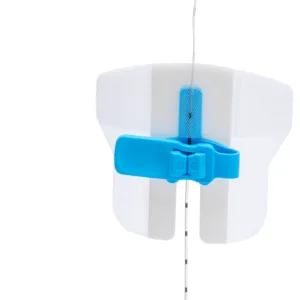
FlexGRIP EPI/PNB (Ref. EP02) – Sterile fixation device for epidural catheter and peripheral nerve block | Single size 20–16 G | Box of 50 units
180,90 € In stockAdd to basket -
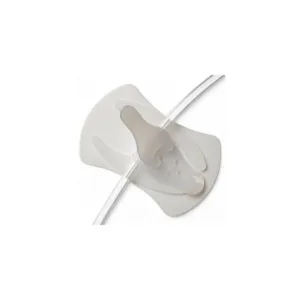
Adjustable Anchor for Catheters and Medical Tubes | Fixation of Catheters, Drains and Lines | Hypoallergenic Latex-Free Adhesive | Box of 50 units | Ref. ATA24ZT
257,95 € In stockAdd to basket -
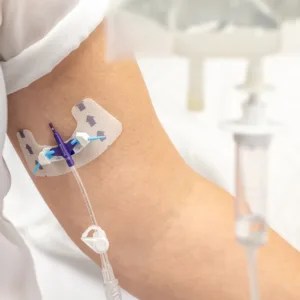
FlexGRIP Alpha – Sutureless fixation system for adult winged catheters (CVC, PICC, Midline, arterial and haemodialysis) | Ref. FLEXGRIP-ALPHA | Box of 50 units
Price range: 254,70 € through 324,90 € In stockSelect options This product has multiple variants. The options may be chosen on the product page -
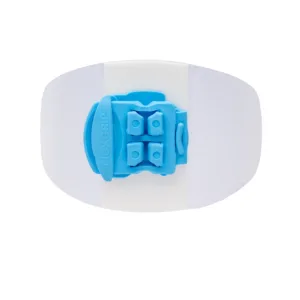
FlexGRIP Foley (Ref. FOL1118) – Sterile fixation device for adult Foley urinary catheter | Compatible 11–18 Fr | Air-pillow technology | Box of 25 units
136,80 € In stockAdd to basket -
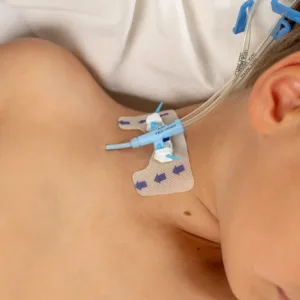
FlexGRIP Jr. Alpha – Sutureless fixation device for paediatric winged catheters (CVC, PICC, arterial lines and midlines) | Ref. ALFAJR
357,30 € In stockAdd to basket -
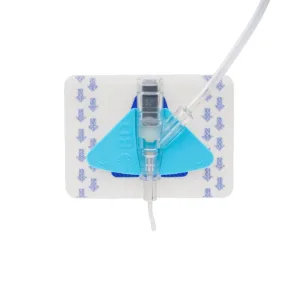
FlexGRIP Jr. NEX (Ref. NEXJR) – Fixation and stabilisation device for paediatric Nexiva™ catheter | Hydrocolloid adhesive, low profile and one size | Box of 50 units
162,00 € In stockAdd to basket -
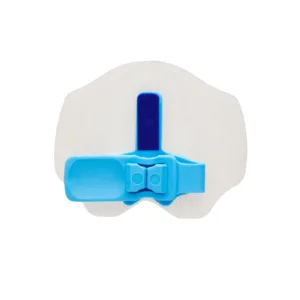
FlexGRIP Jr. PICC 2.7–5 Fr | Ref. PICCJR275 – Sterile fixation device for paediatric PICC catheter (hydrocolloid adhesive, three-point fixation and low profile)
357,30 € In stockAdd to basket -
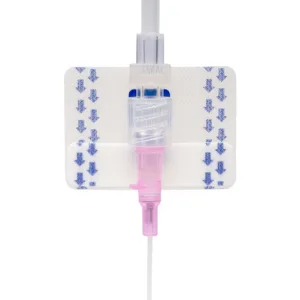
FlexGRIP Jr. PIVC | Ref. PIVCJR – Fixation and stabilisation device for paediatric peripheral catheter (PIVC) | Hydrocolloid adhesive, ultra-low profile and single size | Box of 50 units
162,00 € In stockAdd to basket -
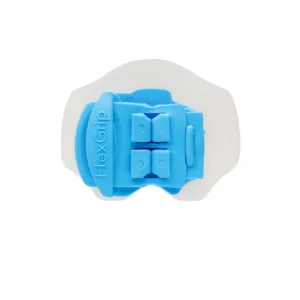
FlexGRIP Jr. Universal 5–11 Fr | Ref. UNJR511 – Sutureless fixation and stabilisation device for paediatric drainage tubes and catheters (air-pillow technology, hydrocolloid adhesive, sterile, box of 50 units)
357,30 € In stockAdd to basket -
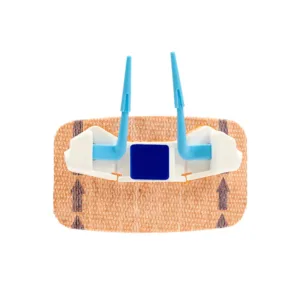
FlexGRIP Neo Alpha (Ref. ALFANEO) – Sutureless securement for neonatal catheters with wings (CVC, PICC and arterial lines) | Sterile, zinc oxide adhesive | Box of 50 units
405,00 € In stockAdd to basket -
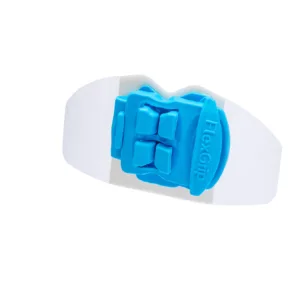
FlexGRIP Universal | Sutureless fixation and stabilisation device for adult catheters and drains – 3 sizes (5–11 Fr, 11–18 Fr and 18–25 Fr) – Ref. FGUNIVERSAL
Price range: 132,30 € through 236,70 € In stockSelect options This product has multiple variants. The options may be chosen on the product page -
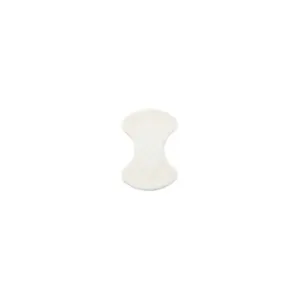
Foley Catheter Securement Dressing FCS200ZT | Hypoallergenic Urinary Catheter Stabilizer
188,65 € In stockAdd to basket -
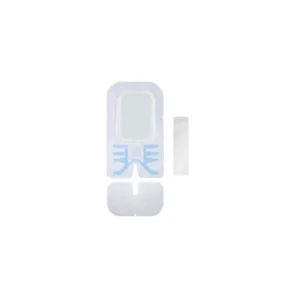
SorbaView SHIELD Large Sterile Dressing 9.5 x 16 cm for Fixation of Catheters and Vascular Access
354,20 € In stockAdd to basket -
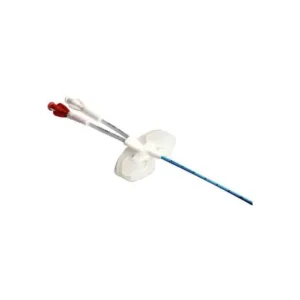
Sorbaview Shield Medium Dressing 9.5 x 14 cm Sterile – Catheter and Vascular Access Fixation (Ref. SV353UDT)
264,88 € In stockAdd to basket -
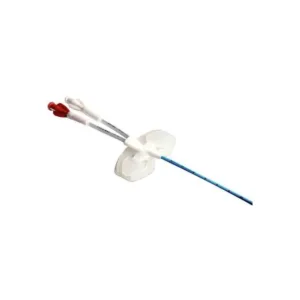
Sterile SorbaView SHIELD Micro 5.7 x 6.6 cm Dressing – Catheter and Vascular Access Fixation (Medline, Ref. SV226UDT)
170,94 € In stockAdd to basket -
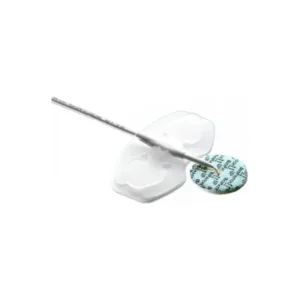
WingGuard® PICC Securement Device with PVC Foam 6.1 x 3.8 cm – Catheter Stabiliser | Ref. WG711XT
454,30 € In stockAdd to basket
Selecting the appropriate catheter fixation device requires considering the catheter type (PICC, PIVC, CVC, Midline, Foley, drainage, epidural), the French gauge, the patient's age and the clinical scenario. In neonatology and paediatrics, priority is given to an adhesive safe for fragile skin and a low profile that minimises the risk of displacement; in adults, sutureless systems that reduce application time and improve stability in prolonged treatments are preferred. Other relevant criteria include compatibility with silicone or polyurethane materials, ease of removal without additional instruments and availability in box formats adapted to service consumption. A correct choice directly impacts the prevention of complications, healthcare staff efficiency and patient safety.
At Cahnos we support hospitals, anaesthesia services, ICUs, neonatology and distributors with specialised technical advice and conditions adapted to volume purchases. Our sales team can provide guidance on device equivalence, available presentations and the optimal configuration for each clinical unit. Contact us to receive a personalised proposal, request samples or coordinate an institutional order according to your centre's needs.