
Description
ECG patient cable FIAB Ref. F6209P for Esaote equipment
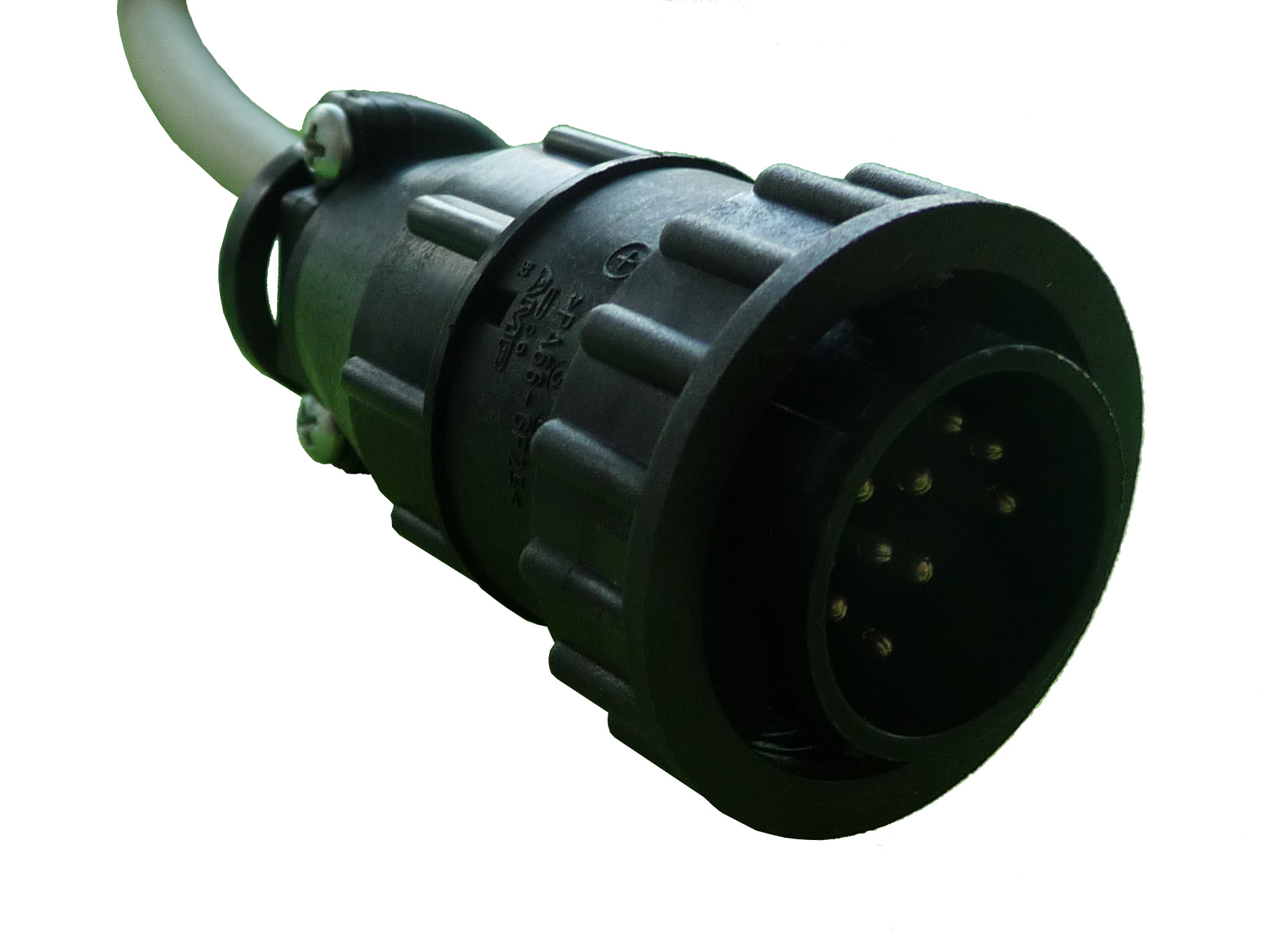
The ECG patient cable with reference F6209P from FIAB is the connection solution between the monitor and the electrodes for electrocardiography and monitoring equipment from the Esaote brand. Manufactured in Italy by FIAB SpA, a European specialist in medical electronics accessories, this cable offers the reliability and durability required by the hospital environment.
What is an ECG patient cable with an inspectable manifold
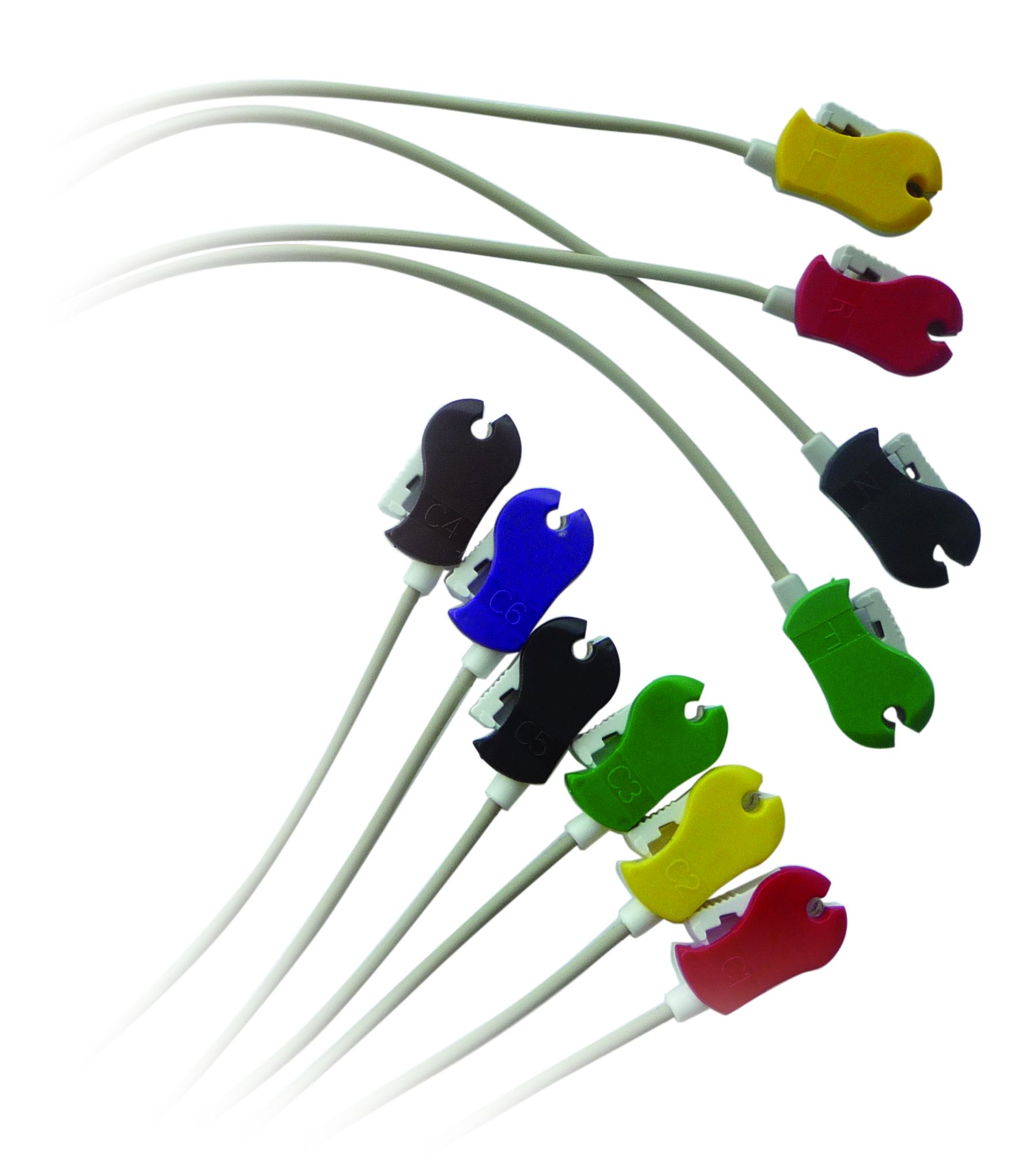
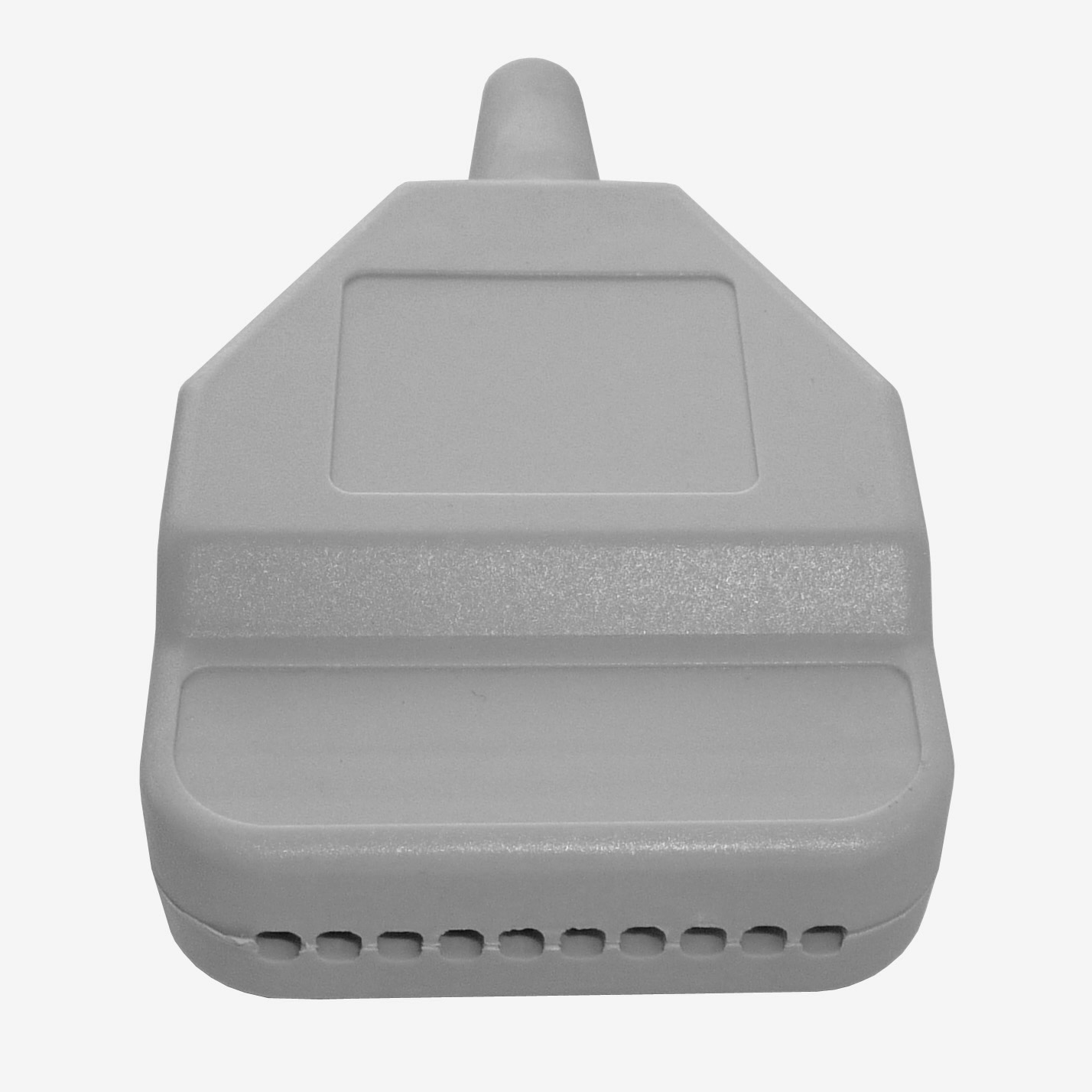
This accessory connects the Esaote electrocardiograph or monitor to the electrodes placed on the patient. The inspectable manifold allows the interior of the central connection to be visually checked and the condition of the contacts to be verified, facilitating maintenance tasks and extending the service life of the cable. The forceps-type (pinch) termination attaches securely to the electrodes, ensuring a stable ECG signal during monitoring.
Technical specifications
| Characteristic | Value |
|---|---|
| Reference FIAB | F6209P |
| Brand | FIAB |
| Manufacturer | FIAB SpA (Vicchio, Florence, Italy) |
| Product type | ECG patient cable |
| Distributor (manifold) | Inspectable |
| Electrode connection | Forceps (pinch) |
| Compatible with | Esaote |
| Packaging | 1 unit |
| Units per box (web) | 1 |
Equivalences and cross-references
No equivalents from other manufacturers have been documented for this reference. Within the FIAB family itself, reference F6209 corresponds to the same series of ECG patient cable with inspectable manifold for Esaote equipment, but with a 4 mm plug connection instead of forceps.
Selection tips and variants
Check the type of connection supported by your Esaote monitor before choosing the cable. If your equipment uses a 4 mm central plug connector, the FIAB F6209 variant is suitable; if you work with lead systems with forceps termination, this reference F6209P is the correct one. It is also recommended to verify the number of leads in the system and to have a spare cable available to avoid interruptions in continuous monitoring.

Reviews
There are no reviews yet.