
Sterile gauze swabs
46 products in the catalogue
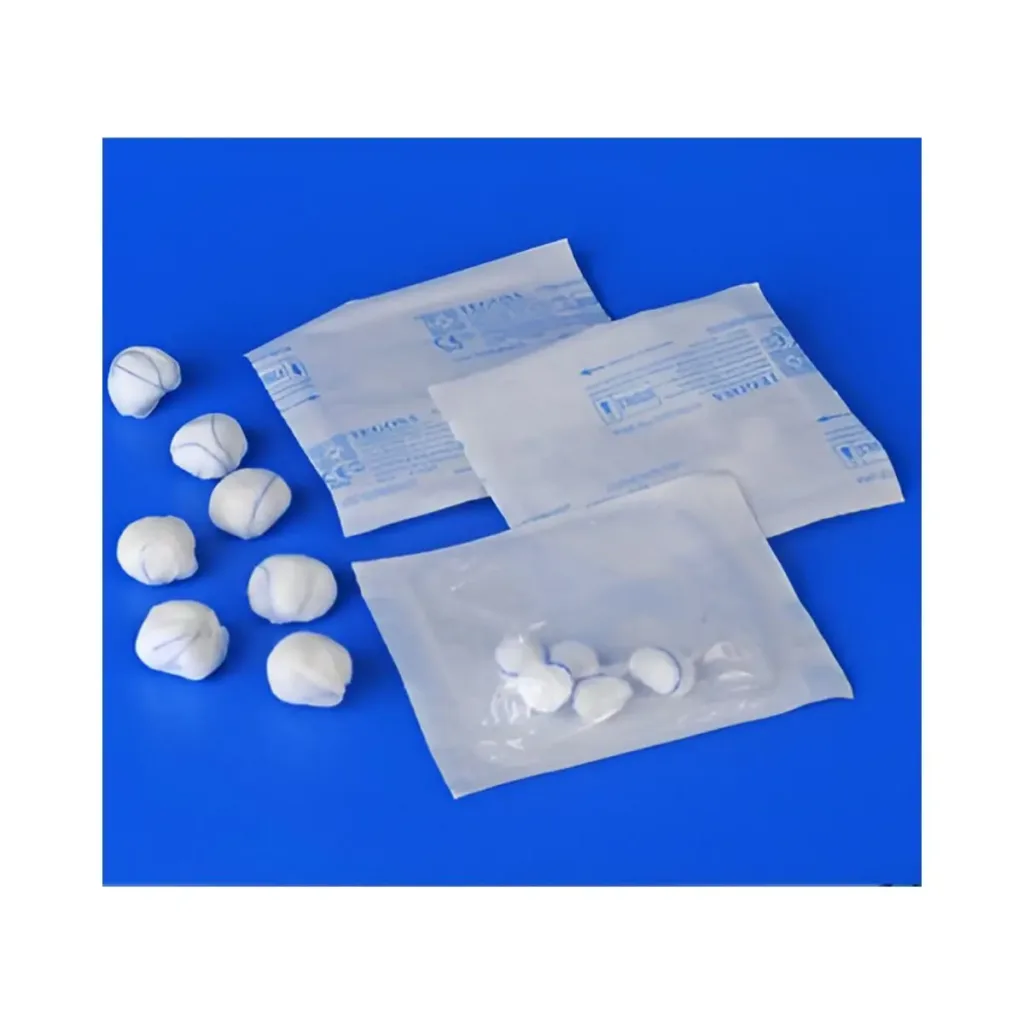
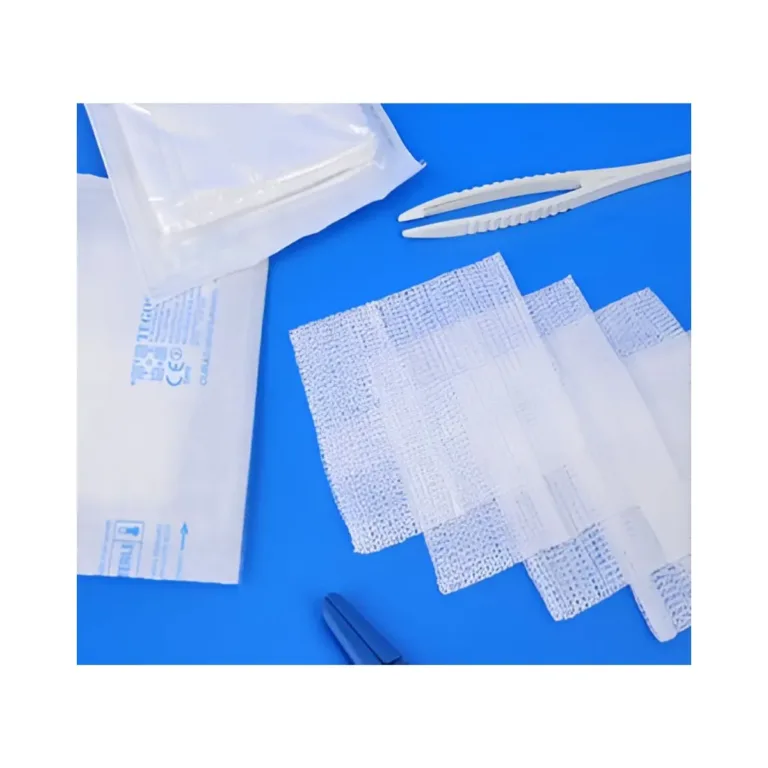
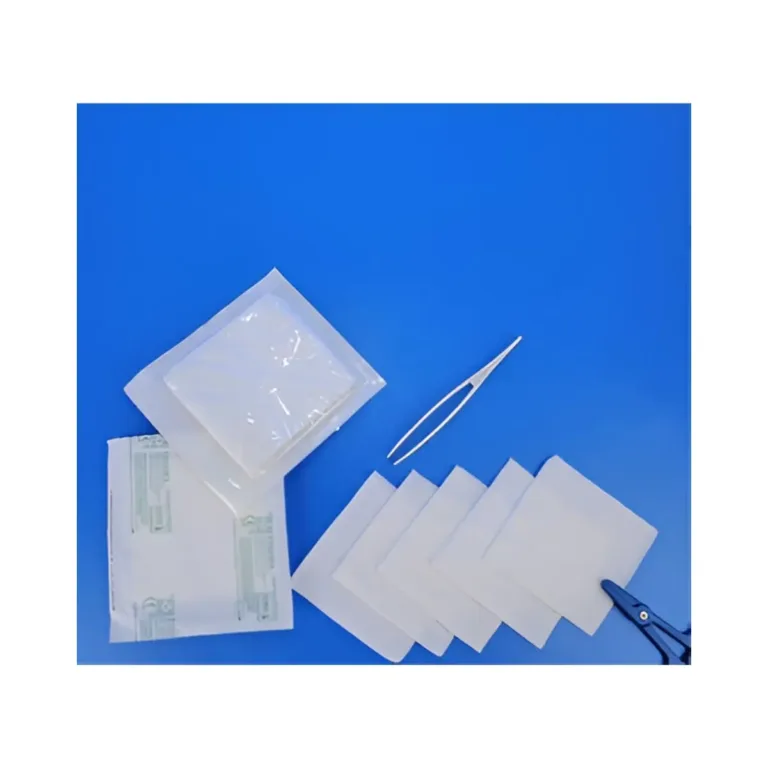
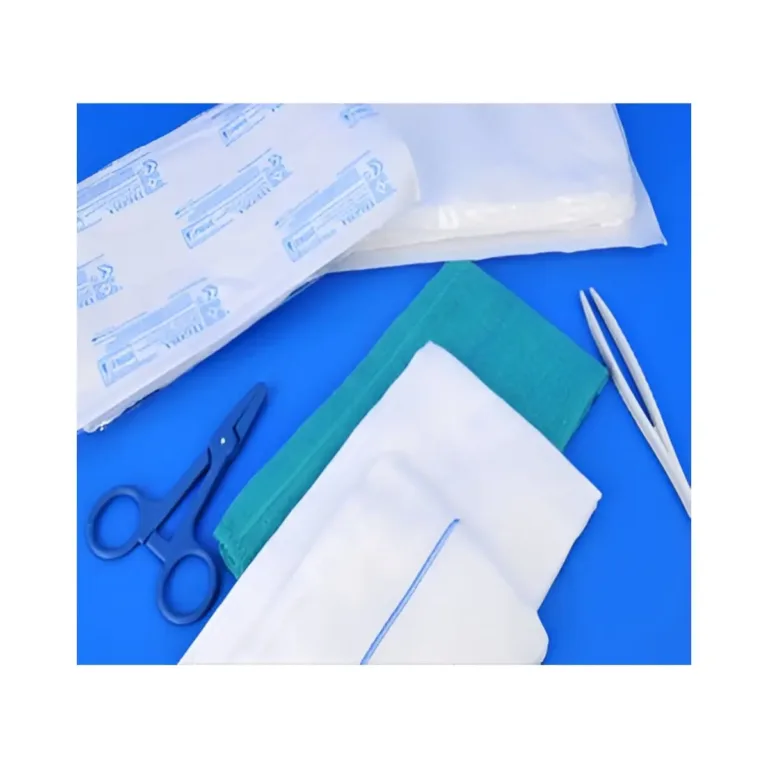
Sterile gauze swabs are pads of absorbent fabric, mostly absorbent cotton, supplied folded and packaged in such a way that they remain sterile until the moment of use. They are used in wound care, cleaning and covering of wounds and in procedures in which the material must remain sterile.
When buying, the product is not defined by size alone: you need to cross-check sterility, material, number of layers, open size and folding, the presence or absence of a radiopaque thread and the presentation format. The same size may exist as a folded gauze in a sachet, as a larger pad for theatre use or as a non-woven gauze, and each variant corresponds to a different consumption.
Other related families
-
 Wound Dressings
Groups the wound care material with which the sterile gauze shares consumption and ordering.
-
 Sterile Gauze Pack
Covers sterile gauze kits, a useful format when you want a closed, ready-to-use assortment.
-
 Non-woven Gauze
Allows non-woven gauze to be separated from cotton gauze, which do not behave in the same way.
-
 17-Thread Gauze Pad Pack
Brings together sachets of 17-thread gauze swabs.
-
 17-Thread Gauze Packs
Covers sachets of 17-thread gauze in formats of several units per sachet.
-
 Sterile Gauze Strips
Useful if the need is for sterile gauze strips and not a folded pad.
Products in this guide
- Cotton 41
- Non-woven 2
- Polyester 2
- Cellulose 1
- Paper 1
- Polypropylene 1
- Viscose 1
- Box OF 100 6
- Box OF 50 5
- Bag OF 25 3
- Box OF 250 3
- Box OF 60 3
- Pack OF 5 3
- Box OF 12 2
- Box OF 150 2
- 4 2
- 8 4
- 12 2
- 16 2
- II a 13
- I s 5
- II b 1
-
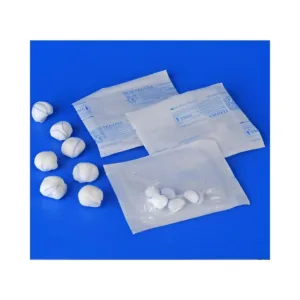
Gauze swab with radiopaque contrast thread (X-ray) 20 x 20 cm – 100% hydrophilic cotton, surgical globular dressing | Box of 100 units | Ref. 51103
14,14 € In stockAdd to basket -
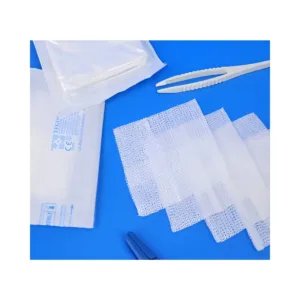
Pouch with 5 Sterile Mesh 1 Gauze Swabs 20 × 20 cm with Radiopaque Thread (RX) – Ladder-Resistant Hydrophilic Cotton | Ref. 32904
12,74 € In stockAdd to basket -
Gauze swab 15 x 15 cm with radiopaque thread (RX) – 100% hydrophilic cotton, globular dressing – Box of 100 units | Ref. 51102
12,91 € In stockAdd to basket -
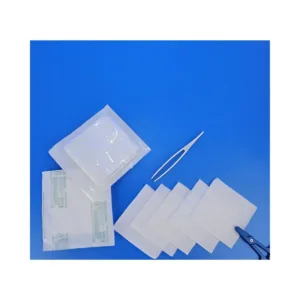
Sterile non-woven gauze swabs (TNT) 20 × 20 cm, folded 10 × 10 cm, 4 layers · Reference 1186.01 · SKU 0237151
30,75 € In stockAdd to basket -
Sterile gauze swabs of non-woven fabric (NWF) 15 x 15 cm – 4 layers, folded 7.5 x 7.5 cm | Sachet of 5 units (SKU 51351)
35,48 € In stockAdd to basket -
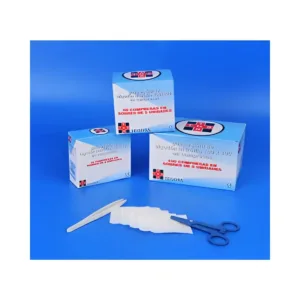
Dressings of sterile gauze 6 × 8 cm · Straight gauze 20 threads · 8 layers · 100% hydrophilic cotton · 400 cm² (16 × 25 cm) · Box of 20 cases × 100 units (2,000 units) · Ref. 50015
68,13 € In stockAdd to basket -
Afteratos sterile gauze 6 × 8 cm (rectilinear gauze 20 threads · 8 layers · 400 cm²) – Box of 25 cases of 50 units | Ref. 50016
46,92 € In stockAdd to basket -
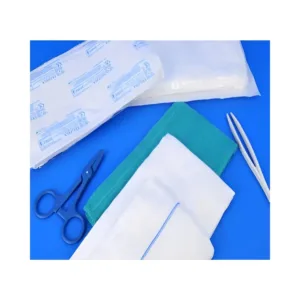
S/5 Sterile straight gauze pad 17 threads 45×45 cm – 2 layers sewn with radiological thread RX, 100% hydrophilic cotton UNE-EN 14079 (SKU 37094, box of 50 sachets × 5 units)
65,42 € In stockAdd to basket
Buying and selection tips
-
Settle the level of sterility first
The starting point is to decide whether the use requires sterile material or whether non-sterile gauze is enough, because both variants exist in similar sizes and are easily confused when reordering. Sterile wound-care gauze is supplied in an individual sachet or in a multi-unit sachet.
-
Count layers and not just centimetres
The number of layers is part of the identity of the product: a 17-thread gauze may be stated with 8 layers and a specific folding, and that affects absorbency and handling. Also check how many units each sachet contains, because it changes the consumption per dressing.
-
Decide whether a radiopaque thread is needed
In theatre, the radiopaque (X-ray detectable) thread makes it easier to locate the pad afterwards. Check in the description whether the radiological contrast is stated or not before standardising the product.
-
Match the format to the point of consumption
A sachet of few units suits outpatient wound care, while a box of many units suits intensive consumption. Before changing format, check that the product keeps the same size, layers, material and sterility.
-
Check the fibre and the type of piece
Absorbent cotton is the main material, but there are also non-woven (NWF) gauze swabs. Besides folded pads, the range includes gauze strips and gauze balls, which are not interchangeable with flat gauze.
Frequently asked questions
Which data should I compare before changing supplier of 20 x 40 cm sterile gauze?
Compare fibre composition, number of layers, folding, type of sachet, sterilisation method and labelling with batch and expiry date. These are the data that allow two offers advertised with the same size to be compared.
Why are two gauze swabs of the same size not equivalent?
Because the weight, thread count and layers may differ even if the outer format is the same. Compare these data before treating two products as equivalent.
What should I check on a sterile cotton gauze before adding it to the order?
Check layers, material, sterility, size and whether it is X-ray detectable. Also check the units per pack, which affect consumption per dressing.
In which cases does an X-ray detectable pad make sense?
In theatre, when the pad must be able to be located afterwards. Specify size and units per pack when ordering.
What is the practical difference between a cotton gauze and a non-woven one?
They are different materials, with their own layers and presentations. Before replacing one with the other, check that the size and presentation fit the intended use.
Common questions
Confusing thread count with the number of layers
They are two different data: the threads describe the density of the fabric, whereas the layers indicate how many pieces are superimposed. A 17-thread gauze may be presented with 8 layers; ask for both data separately.
Taking it for granted that all sterile gauze is radiopaque
X-ray detection is expressly stated and there are sterile gauze swabs that do not include it. If the use requires later location, confirm it in the description.
Assuming that sterility is maintained with damaged packaging
The heat-sealed packaging is part of the system that maintains the sterile condition. An open or damaged sachet breaks that barrier.
Believing that a non-woven gauze is equivalent to a cotton one
Non-woven gauze has its own number of layers and presentation, which need not match those of cotton gauze. Switching from one to the other without checking composition, layers and presentation changes the product the department receives.
More products in this guide
-
S/4 Sterile Gauze Pad 17 Threads 45×45 cm with Radiopaque Thread RX – 2 Sewn Layers, 100% Absorbent Cotton UNE-EN 14079 | Box of 50 Sachets × 4 units (SKU 37093)
53,25 € In stockAdd to basket -
S/5 Sterile gauze pad 17 threads 45×45 cm – 4 layers sewn with radiopaque RX thread, 100% hydrophilic cotton UNE-EN 14079, class IIa medical device (SKU 37374, box of 50 pouches × 5 units)
104,72 € In stockAdd to basket -
S/2 Gauze Pad 17 Threads 45×45 cm Sterile with X-ray Thread – 4 Plies Stitched and Overlocked, 100% Hydrophilic Cotton UNE-EN 14079, Class IIa (SKU 37371)
44,62 € In stockAdd to basket -
Gauze pad 17 threads 45×45 cm sterile with RX – S/4, 4 stitched layers, 100% absorbent cotton
84,80 € In stockAdd to basket -
Gauze Compress 17 Threads 45×45 cm Sterile with Radiopaque Thread RX – S/2, 2 Sewn Layers, 100% Hydrophilic Cotton (SKU 37091)
44,50 € In stockAdd to basket -
Sterile gauze compress 17 threads 45×45 cm with radiopaque RX thread – S/1, 4-ply stitched, 100% hydrophilic cotton (SKU 37370)
23,29 € In stockAdd to basket -
Gauze Pad 17-Ply 45×45 cm Sterile with X-Ray Detectable Thread – S/1, 2 Layers Stitched, 100% Absorbent Cotton (SKU 37090)
15,42 € In stockAdd to basket -
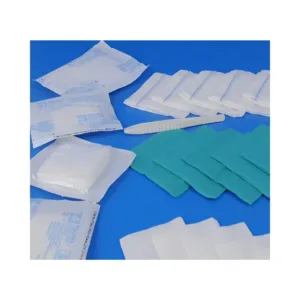
S/10 17-thread sterile gauze swabs 25×40 cm with radiopaque thread (RX) – Safety fold, 100% hydrophilic cotton for wound dressings and operating theatre
63,76 € In stockAdd to basket