
How to choose a spirometer
25 products in the catalogue
A spirometer is the device used to measure lung function in consulting rooms, respiratory units and occupational medicine. It records parameters such as forced vital capacity, forced expiratory volume in the first second and peak expiratory flow, and allows results to be compared with reference values.
The range is organised into two groups: handheld portable spirometers, which are lightweight, run on batteries or a rechargeable battery and transfer tests to a computer or mobile phone, and desktop spirometers with a touchscreen, internal memory and built-in printer, designed to produce reports without depending on a computer. On several models oximetry is an option. Around the device there is a range of consumables, such as disposable mouthpieces, turbines, filters, thermal paper and a calibration syringe, which affects the purchase as much as the device itself. It is best to decide first on the type of use and the transducer, and then finalise the list of compatible consumables.

Other related families
-
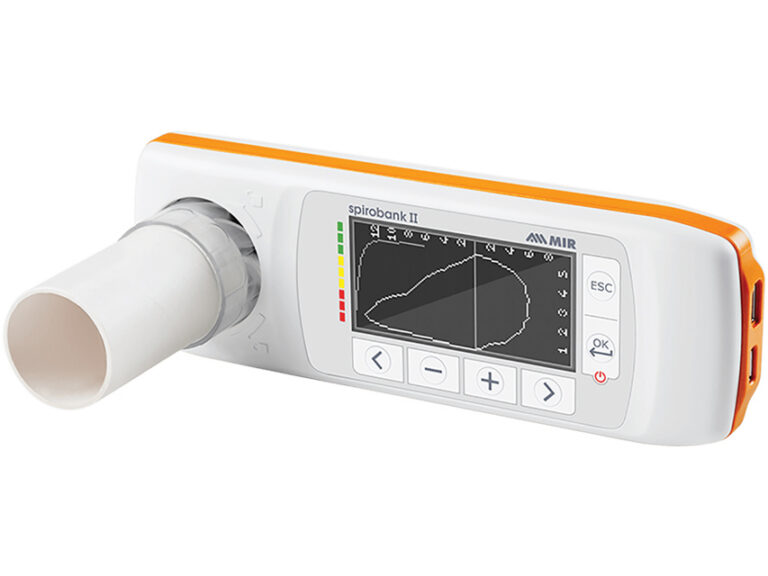
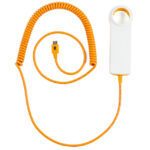 Portable Digital Spirometers
For screening, visits and work outside the consulting room, with transfer of tests to a computer or mobile phone.
-
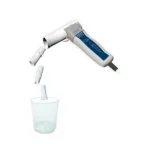 Transducers
The measuring element determines the rest of the purchase: disposable or reusable turbine.
-
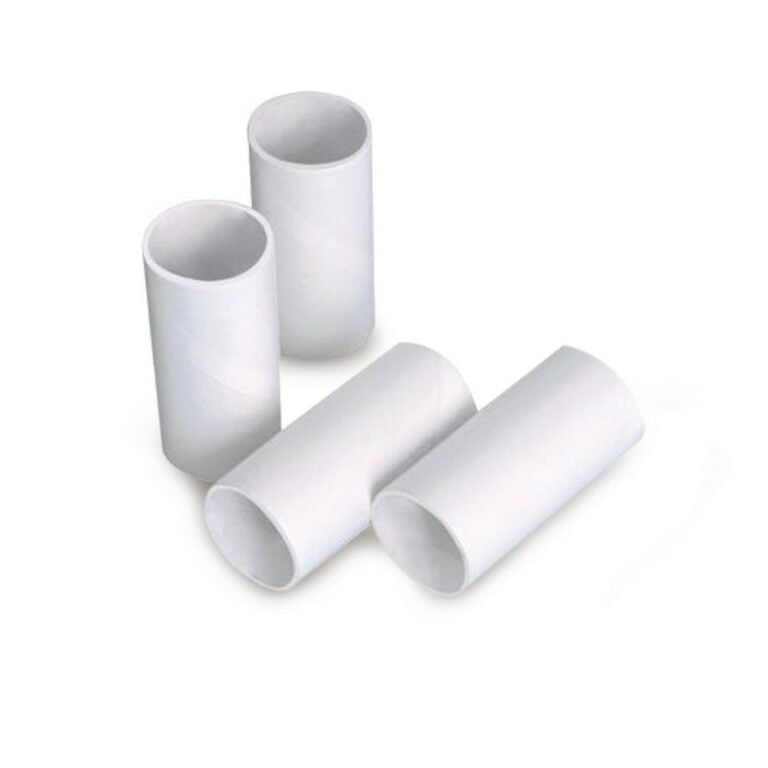
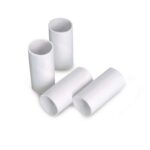 Disposable Spirometry Mouthpieces
The fastest-moving consumable; you need to get the outer diameter and length right.
-
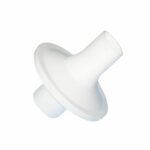 Bacterial Filters for Spirometry
Consumable linked to the measurement of the device, which should be planned together with the mouthpieces.
-
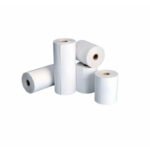 Spirometry Thermal Paper
Essential replacement for devices with a built-in thermal printer.
Products in this guide
- Rechargeable battery 12
- Batteries 6
- Mains power 1
- 22 mm 1
- 27 mm 2
- 28 mm 1
- 30 mm 2
- 30.5 mm 1
- 5.5 cm 1
- 6 cm 4
- 7 cm 2
- Unit 13
- Bag OF 100 2
- Kit 2
- Box OF 100 1
- Box OF 12 1
-
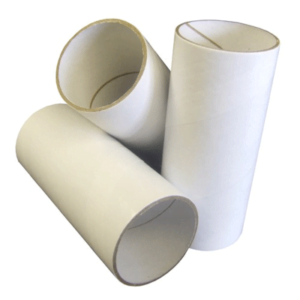
Disposable cardboard spirometer mouthpiece 30×60 mm (bulk, bag of 100 units) compatible with Datospir Peak 10, Clement Clarke, Takio, Microlab, Multispiro, Spirolab, Spirobank, Bosh-501 and Mini-Bell
10,70 € In stockAdd to basket -
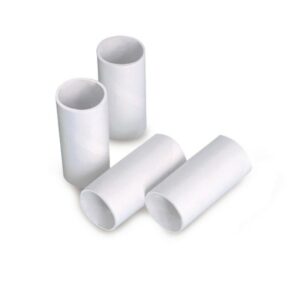
Disposable cardboard spirometer mouthpiece 30×60 mm (Ø ext × length) — Compatible with Datospir Peak 10, Clement Clarke, Takio, Microlab, Multispiro, Spirolab, Spirobank, Bosh-501 and Mini-Bell | Ref. 01554 (box of 100 units)
15,10 € In stockAdd to basket -
Disposable cardboard spirometer mouthpiece 27×70 mm (ext. Ø × length) compatible with Poch-Millas MS-10, Minato Autospiro AS500, Cicatest and Eymasa Neumos-12 | Ref. 01552 – Box of 100 units
15,10 € In stockAdd to basket -
Paediatric cardboard spirometer mouthpiece 21×70 mm — compatible with paediatric Datospir and Poch-Millas | Ref. 01557 (box of 100 units)
15,10 € In stockAdd to basket -
Paediatric cardboard spirometer mouthpiece 22×60 mm (external Ø 22 mm) disposable – Compatible with paediatric Cosmed Pony, Clement Clarke, Vitalograph and Micro Medical co-oximeters (Micro-CO, Smoke Check) – Bulk, bag of 100 units | Ref. WETE602220
10,70 € In stockAdd to basket -
Disposable cardboard spirometer mouthpiece 30.5×60 mm, compatible with Cosmed (Pony), Vitalograph and Trentina (Pneumos) – Bag of 100 units. Ref. WETE60305285
10,70 € In stockAdd to basket -
Disposable cardboard spirometer mouthpiece 27×70 mm (Ø ext × length) compatible with Poch-Millas MS-10, Minato Autospiro AS500, Cicatest and Eymasa Neumos-12 — Bulk, bag of 100 units. Ref. WETE702725
10,70 € In stockAdd to basket -
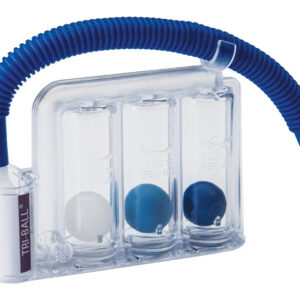
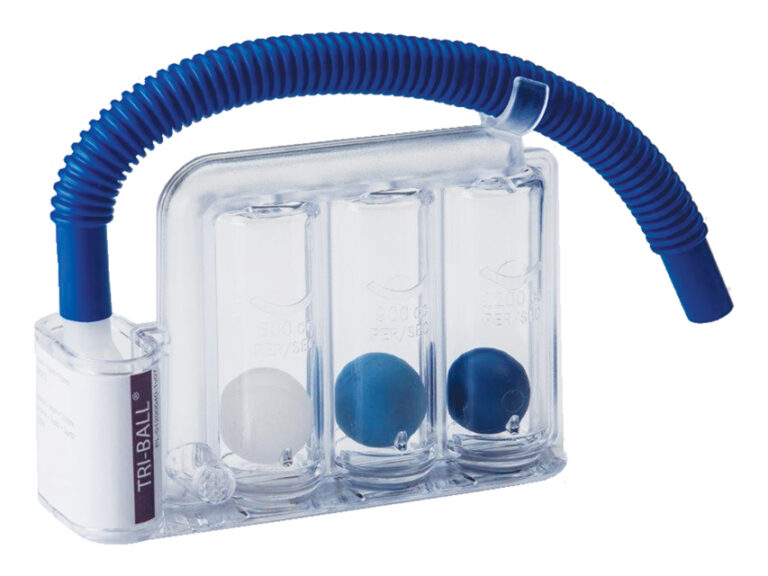
Tri-Ball Flow Incentive Spirometer – Respiratory Exerciser with 3 Balls for Postoperative Rehabilitation | Box of 12 units (Ref. 33436)
101,65 € In stockAdd to basket
Buying and selection tips
-
Disposable or reusable: start with the transducer
The element that measures flow determines the rest of the purchase. Disposable turbines are supplied individually packaged with a cardboard mouthpiece, whereas reusable ones accept a plastic or paper mouthpiece and require you to follow the manufacturer's instructions for maintenance and calibration. Choosing one or the other changes the cost per test and the workload for staff.
-
Check the diameter of mouthpieces and filters
Cardboard mouthpieces are identified by their outer diameter and length, and each size fits a specific group of devices; there are also paediatric versions with a reduced diameter. Establish the size for your device before deciding on the presentation.
-
Consider the built-in printer and its paper consumption
Desktop devices with a built-in thermal printer produce reports without the need for a computer, with a paper consumption that should be calculated according to the volume of tests. If the workstation does not print, that cost and that consumable disappear.
-
Decide on oximetry from the start
Oximetry is usually an option that adds spot measurement of saturation and pulse. If you plan to use it, it is better to configure the device with the option from the start than to add it later.
-
Match the power supply to the workstation
There are devices with a rechargeable battery for standalone operation, others that run on batteries and others that are mains-powered. Battery life and battery type determine whether the device can leave the consulting room or must remain plugged in.
-
Plan for calibration and replacement consumables
On some models calibration is carried out on the device itself using a calibration syringe. To this you must add nose clips, filters, mouthpieces and a carrying solution if the device is going to be moved. Follow the manufacturer's instructions.
Compatibility
- Reusable turbine with plastic or paper mouthpiece
- Reusable turbines accept different types of mouthpiece; check that the mouthpiece you choose fits their diameter and follow the manufacturer's instructions for maintenance.
- Oximetry probe and cable
- On models with an oximetry option, check that the probes and cables are compatible with the device before buying them.
Frequently asked questions
What is the practical difference between a handheld and a desktop spirometer?
The handheld one is lightweight, runs on batteries or a rechargeable battery and transfers tests to a computer or mobile phone, which makes it suitable for screening and visits. The desktop one has a touchscreen, internal memory and a thermal printer, and can produce reports without a computer.
Can I use the spirometer without connecting it to a computer?
Desktop models are designed to work in standalone mode with a touchscreen and built-in printer, and they store tests in their internal memory. A PC connection is reserved for transferring data or integrating with the clinical record.
How do I determine which cardboard mouthpiece fits my device?
By the mouthpiece size, expressed as outer diameter by length, and by the group of devices it is associated with. There are also paediatric mouthpieces with a reduced diameter that are not suitable for an adult device.
What storage capacity do I need for day-to-day use?
Some desktop devices can store thousands of tests, a figure that comfortably covers a high-volume practice. If use is occasional, memory will not be the deciding criterion.
What is the difference between a diagnostic spirometer and an incentive spirometer?
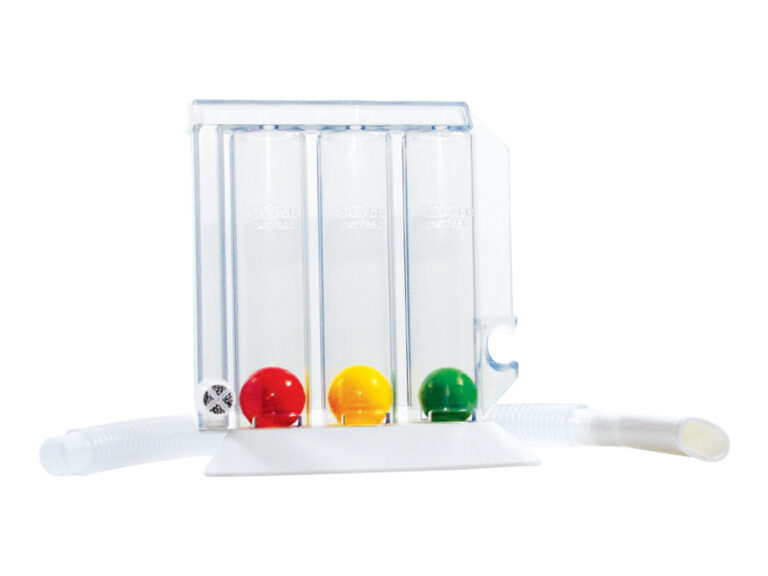
A diagnostic spirometer measures lung function parameters and records them. An incentive spirometer is a breathing exerciser and is not equivalent. Check which product you need before ordering.
Is oximetry included in all spirometers?
No; on several models it is an option that adds spot measurement of saturation and pulse. It is worth deciding this when configuring the device.
Common questions
Assuming that any mouthpiece fits any spirometer
Compatibility depends on the outer diameter and length of the mouthpiece, and each size is associated with a specific group of devices. Before ordering a box, check the size of your device.
Confusing the turbine with the mouthpiece
The turbine is the element that measures flow and may be disposable or reusable; the mouthpiece is the consumable that attaches to it and is changed more often. They are two separate purchases with different replacement rhythms.
Forgetting thermal paper and the calibration syringe when budgeting
Devices with a built-in printer use thermal paper, and calibration on the device itself requires a specific syringe. These are items that are worth including from the first order.
Thinking that oximetry can always be added later
Oximetry is a configuration option on several models and affects accessories such as the probe cable. If you plan to use it, it is better to define it when choosing the device.
More products in this guide
-
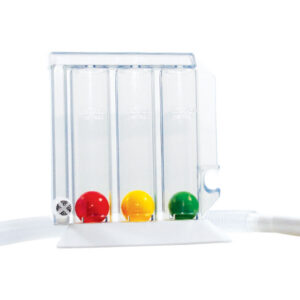
RESPIPROGRAM incentive respiratory exerciser · 3-ball incentive spirometer for pulmonary rehabilitation · Ref. 33442
7,13 € In stockAdd to basket -
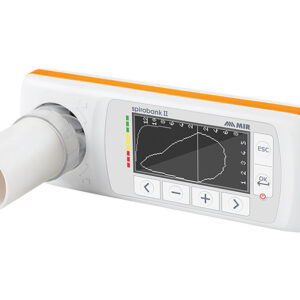
Portable Spirometer SPIROBANK II SMART with MIR SPIRO Software for PC (1-Year Licence) | Ref. 33512
1.510,50 € In stockAdd to basket -
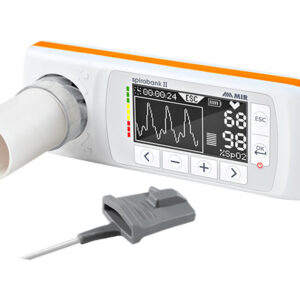
Portable Spirometer SPIROBANK II SMART+ with SpO2 Oximetry Module and MIR SPIRO Software | Ref. 33514
1.881,00 € In stockAdd to basket -
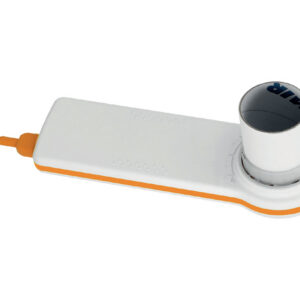
Portable digital MINISPIR spirometer with MIR SPIRO PC software – Ref. 33528 (Class II A)
1.444,00 € In stockAdd to basket -
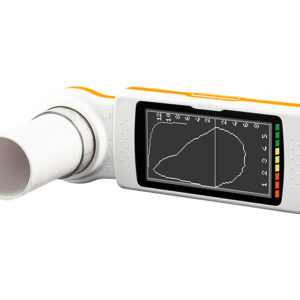
Portable Digital Spirometer SPIRODOC with MIR SPIRO PC Software via Bluetooth | Ref. 33532
1.729,00 € In stockAdd to basket -
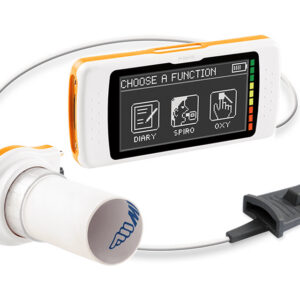
Spirodoc Portable Spirometer + Pulse Oximeter with MIR Spiro PC Software (Bluetooth) | Ref. GM33534
1.995,00 € In stockAdd to basket -

Portable pocket digital spirometer SP-10 with Bluetooth | Lung function FVC, FEV1, PEF and FEF with TFT screen and PHMS app | Ref. GM33535
294,50 € In stockAdd to basket -
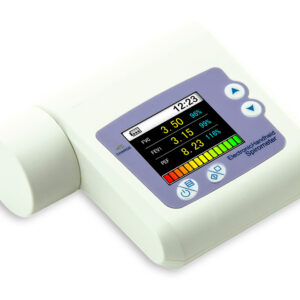
SP-10 portable digital pocket spirometer | Pulmonary function FVC, FEV1, PEF and FEF with TFT screen and PHMS app | Ref. GM33536
199,50 € In stockAdd to basket