
Radiation protection: buying guide
7 products in the catalogue
Radiation protection covers the leaded garments and accessories that reduce exposure to scattered radiation in departments such as radiology, interventional procedures, dentistry and nuclear medicine. These products include aprons and vests, thyroid, gonad and hand and forearm shields, leaded glasses and vial and syringe shields.
The choice starts from three decisions: which part of the body needs covering, with what lead thickness and with what fastening and adjustment system. The references state thicknesses from 0.25 to 0.50 mm Pb on most garments. Before finalising the order, find in the manufacturer's technical information the standard and marking that certify each product.

Other related families
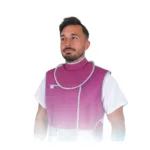
Products in this guide
-
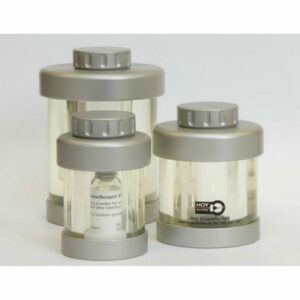
20 mm Lead Glass Vial Shield for Nuclear Medicine – CAH-LP0016 | Radiation Protection for 5-30 ml Vials and Medium/High Activity Syringe Filling
In stockRequest a quote -
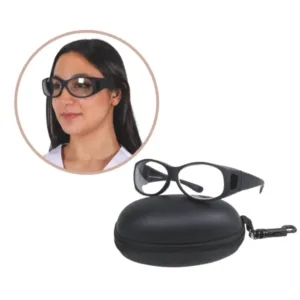
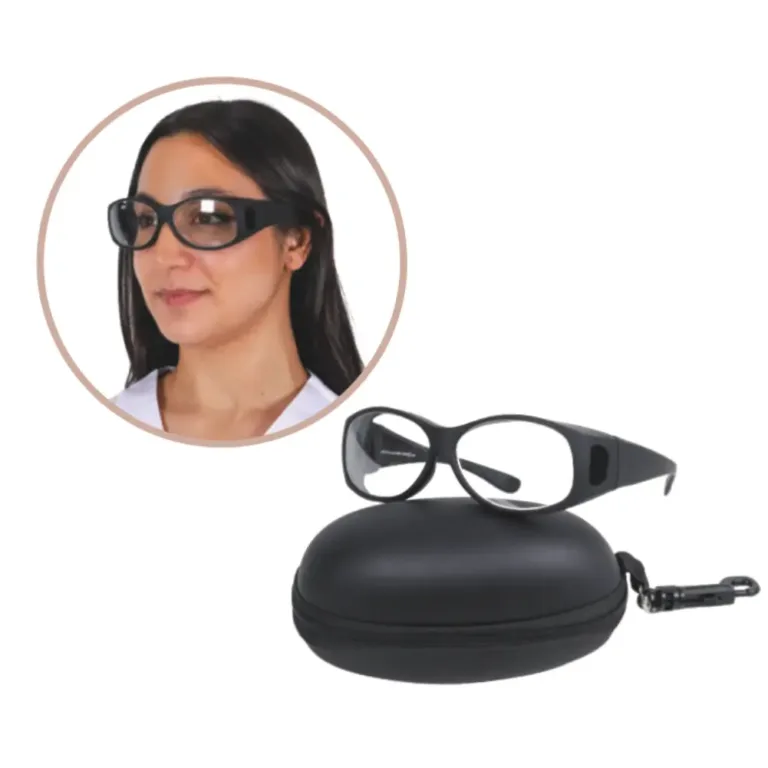
Lead Glasses RG33 for Radiological Protection 0.75 mm Pb Front and 0.50 mm Pb Lateral | Compatible with Prescription Glasses and Rigid Case (Ref. RXRG3300)
In stockRequest a quote -
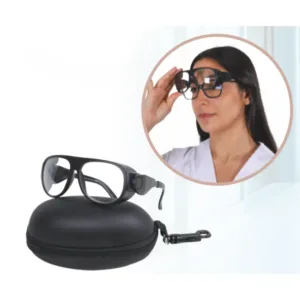
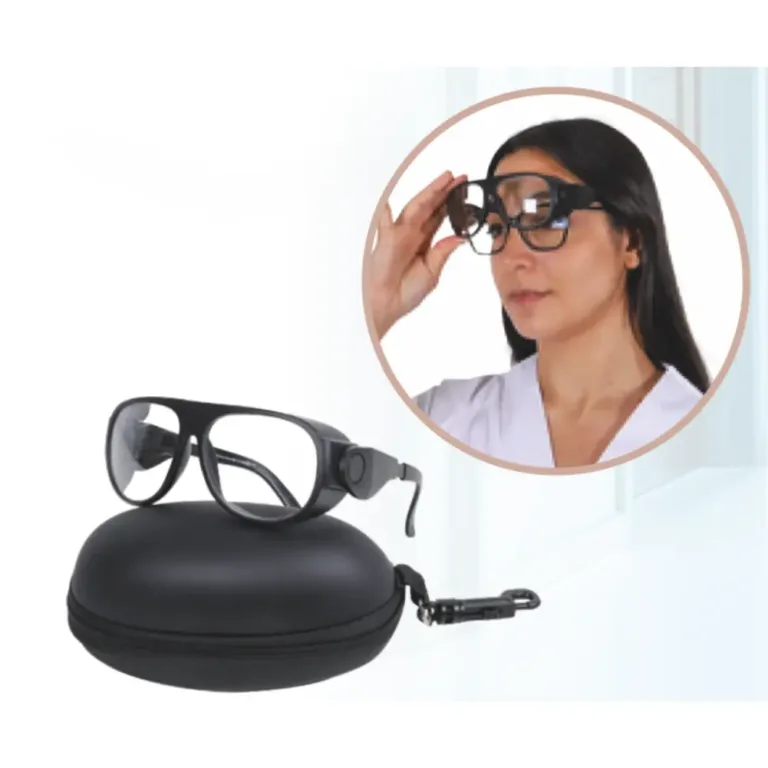
Adjustable Lead Glasses RG66 0.75 mm Pb Front / 0.50 mm Pb Lateral | Radiological Eye Protection for the Lens (Ref. RXRG6600)
In stockRequest a quote -
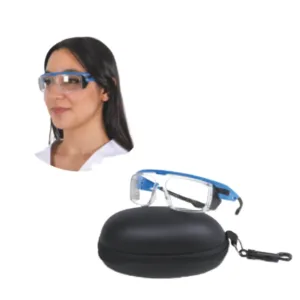
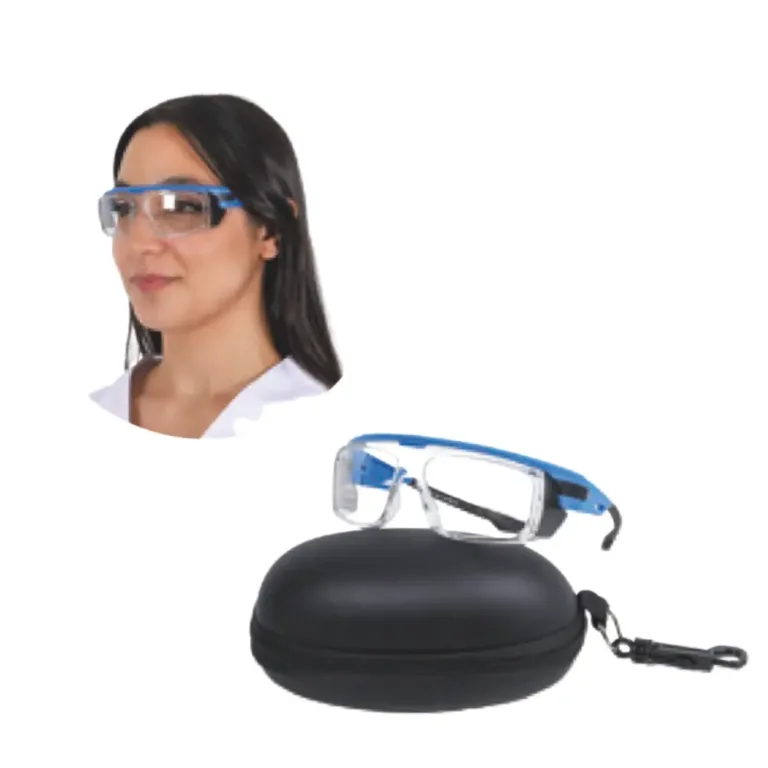
Lead Glasses for Radiological Protection 0.75 mm Pb Frontal and 0.50 mm Pb Lateral | Model RG200 (Ref. RXRG20000)
In stockRequest a quote -
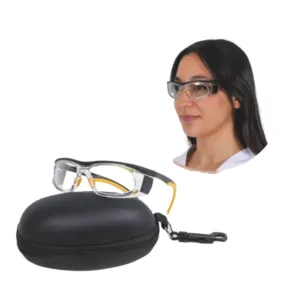
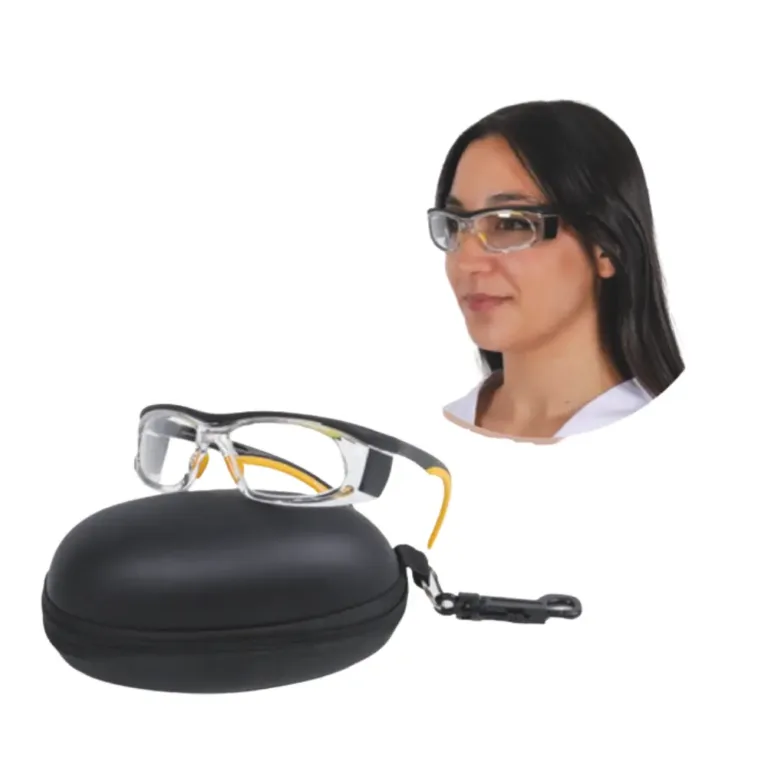
X-ray Lead Glasses 0.75 mm Pb Frontal and 0.50 mm Pb Lateral Model RG206 (Ref. RXRG20600) | Radiological Eye Protection PPE for the Lens
In stockRequest a quote -
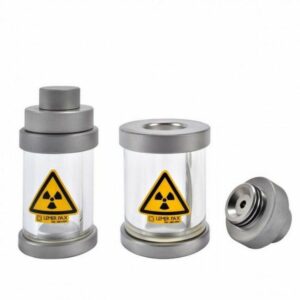
Lead glass container shield for Nuclear Medicine – Shielding of 10 and 15 mm with universal adapter and 360° visibility (SKU CAH-LP02250010)
In stockRequest a quote -
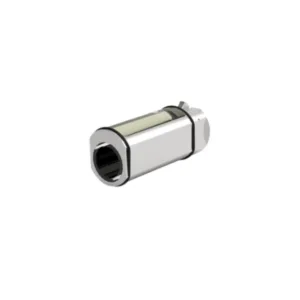
Syringe Shield for Low-Energy Beta Emitters with Magnifying Effect – Mixed Shielding of Tungsten, PMMA and Lead Glass
In stockRequest a quote
Buying and selection tips
-
First define the area to be covered
The first decision is whether the protection should be front only, front and back, or limited to a specific area such as the thyroid, gonads or hands and forearms. Two-piece sets, with a vest and skirt, cover front and back.
-
Match the lead thickness to the workstation
The references state thicknesses from 0.25 to 0.50 mm Pb and, in gonad protection, up to 1.00 mm Pb. Greater thickness means greater weight, so the choice balances protection and comfort. Fix the thickness the workstation requires before comparing.
-
Check fastenings, adjustments and comfort
Each model solves adjustment differently: Velcro, belt buckle or padded shoulder straps. Check that the fastening system suits the way the department works.
-
Do not forget head and hand protection
The selection includes leaded glasses, thyroid shields and hand and forearm shields. Order separately what the workstation needs, in addition to the body garment.
-
Check the size before finalising the order
Consult the manufacturer's size chart for each model and fix the size in the order. A garment that is too short or that strains at the fastening no longer covers the intended area.
Frequently asked questions
How do I tell front protection from front and back protection when reviewing an offer?
Front protection covers only the front of the torso; front and back protection also closes at the back. The back does not always have the same thickness as the front, so it is worth checking the specific model.
What lead thickness should I order for a department's apron?
It should be set by the department's radiation protection officer. The references in the selection range from 0.25 to 0.50 mm Pb; more thickness means more weight.
What size should I ask for if the professional is between two?
Consult the size chart of the specific model. It is best to measure with work clothes on and fix the size in writing in the order.
When should a thyroid shield be added to the purchase?
When the workstation exposes the neck, in addition to the body garment. There are shields with a front or rear Velcro fastening, of 0.35 and 0.50 mm Pb.
What accessories are needed to work with radiopharmaceuticals?
These products include syringe and vial shields for nuclear medicine. Check in the description of each the type of radiation and the capacity intended.
Common questions
Assuming that the back has the same lead as the chest
Not always: on several garments the back has less thickness. If the workstation requires rear coverage, check the specific model before ordering.
Believing that all garments with the same lead weigh the same
Weight also depends on the material and the design. Compare the stated weight of each model.
Assuming that any shield suits any syringe or vial
Shields are designed for specific capacities. Check the capacity and the type of container before equipping the workstation.