
Otoscope and ophthalmoscope: buying guide
48 products in the catalogue
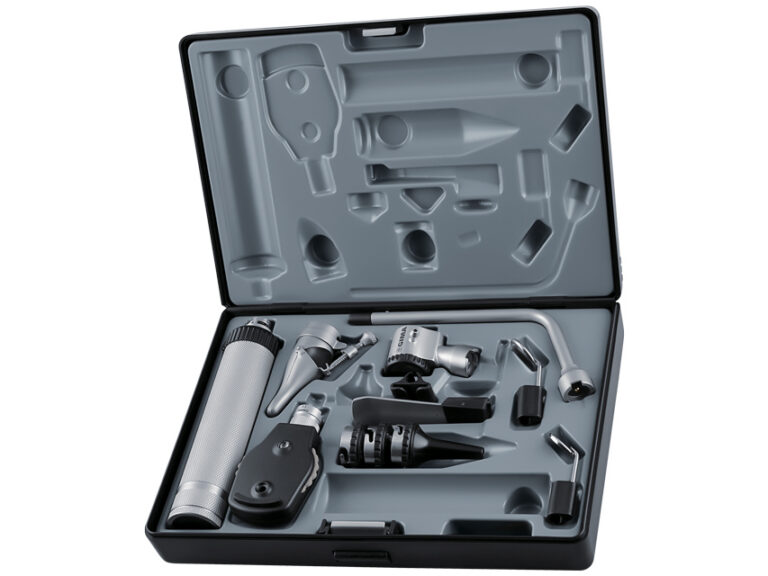
An otoscope is a diagnostic instrument used to examine the ear canal, and the ophthalmoscope is used to examine the eye. The choice is not limited to the head: the handle, the light source and the type of speculum affect daily use and maintenance. Many buyers look for an otoscope-ophthalmoscope set to cover both examinations with a single case and a shared handle; others prefer separate heads so that only the part that fails needs replacing.
The selection includes fibre-optic otoscopes and ophthalmoscopes with halogen, xenon or LED light, direct-illumination otoscopes, digital otoscopes with a camera and diagnostic sets, with voltages of 2.5 V, 3.5 V and 3.7 V and battery, rechargeable or plug-in handles. Before deciding, check the compatibility of the head with the handle, the size and fitting of the specula and the availability of spare bulbs.
Other related families
-
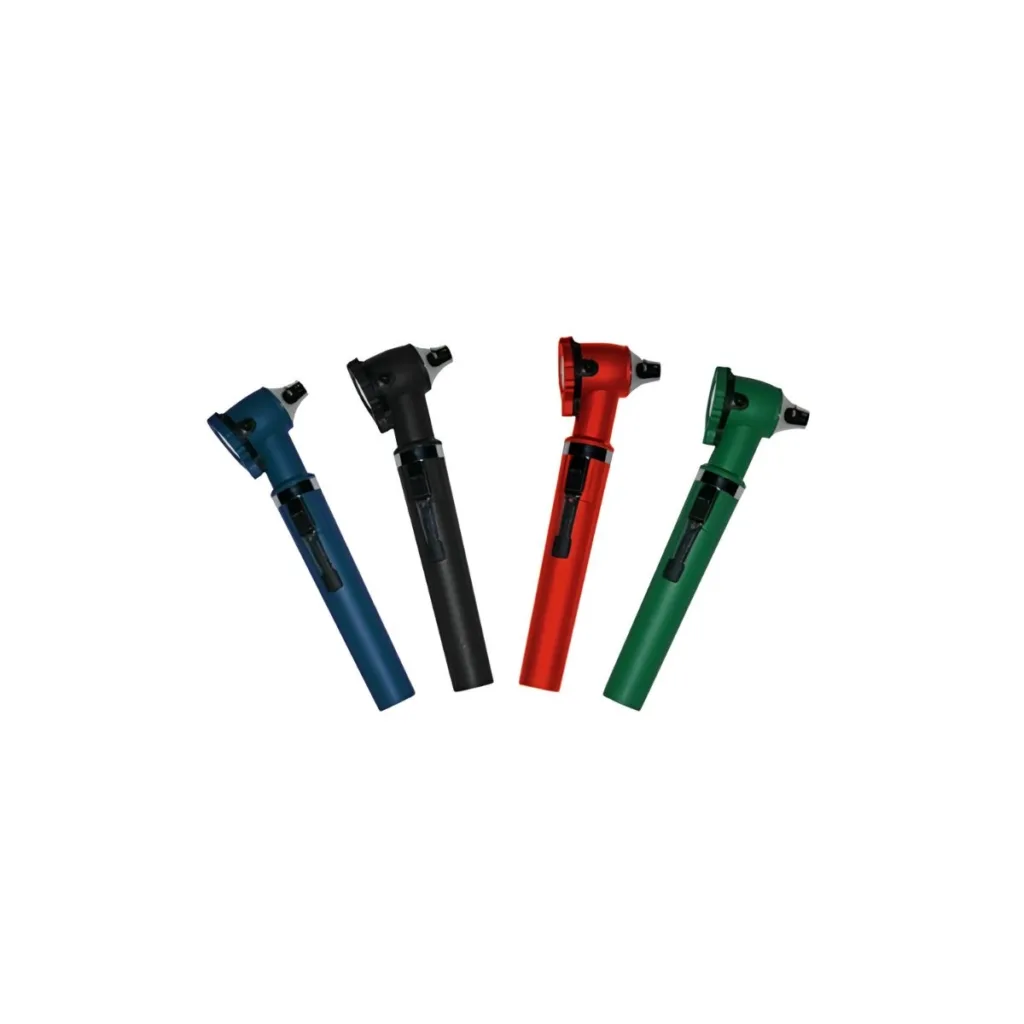
 Oto-Ophthalmoscope Diagnostic Sets
Groups sets that combine an otoscope and ophthalmoscope for those who need both examinations in a single case.
-
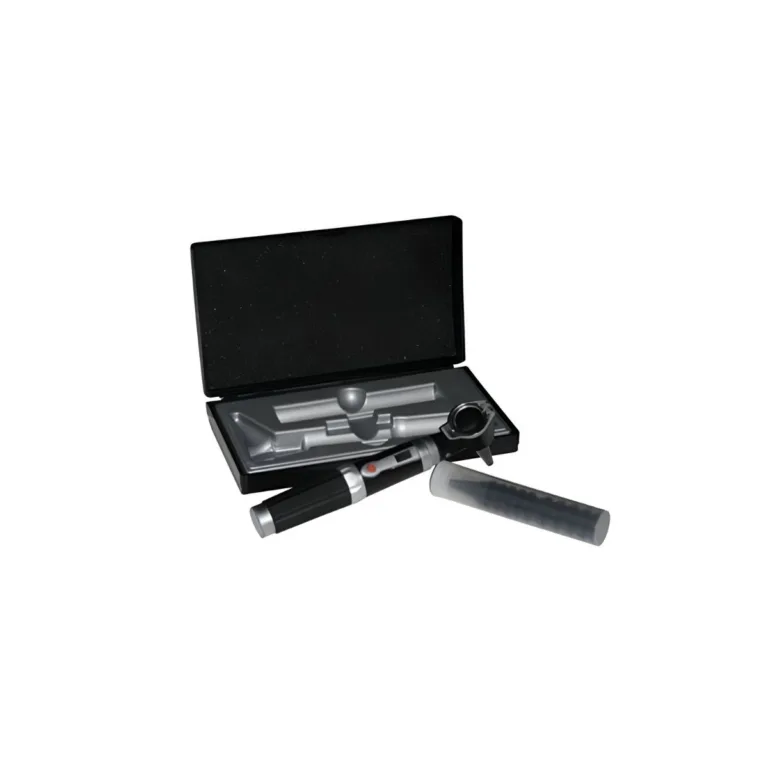
 Ophthalmoscopes
Allows eye examination heads to be compared when the ophthalmoscope is bought separately.
-
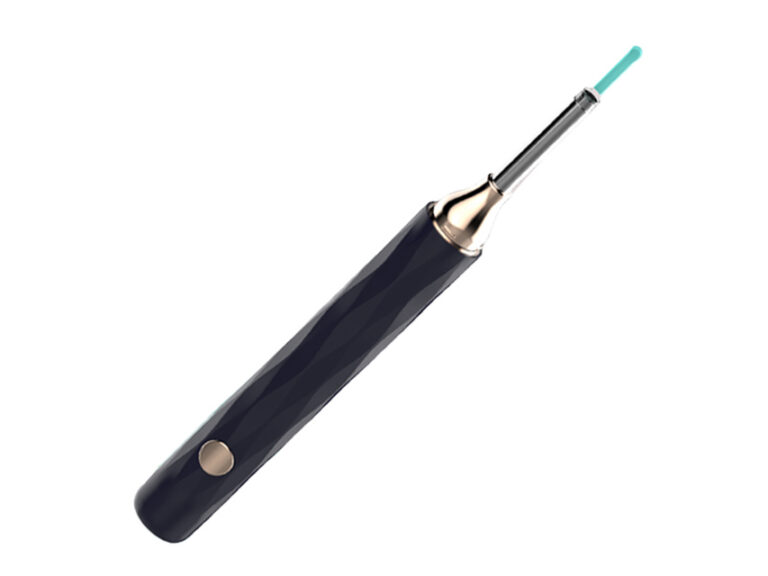
 Otoscope Specula
Makes it easier to restock specula and check sizes and fitting before choosing the otoscope.
Products in this guide
- Rechargeable battery 17
- Batteries 11
- Mains power 1
- Unit 46
- Bag OF 14 3
- Medical device 40
- Sanitary kit 6
-
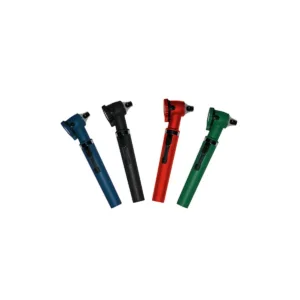
ComedLight fibre-optic otoscope with 2.5 V xenon light, black – Includes case, AA batteries and 10 reusable specula (2.5 and 4 mm)
65,00 € In stockAdd to basket -
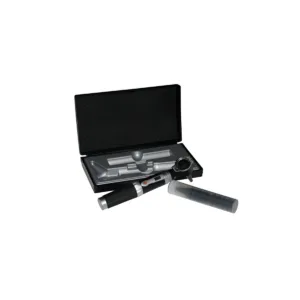
ComedLED FO Fibre Optic Otoscope with LED Light, Black, Rigid Case and 8 Reusable Specula – ENT Diagnosis
110,00 € In stockAdd to basket -
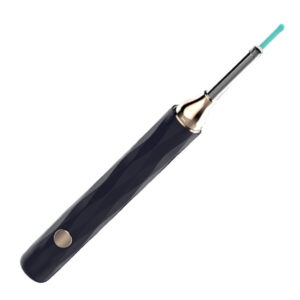
Digital otoscope with camera – Earwax removal kit with HD 1080P camera, 6 LEDs and metal, silicone and plastic spatulas (Ref. 31405 / SKU GM31405)
26,60 € In stockAdd to basket -
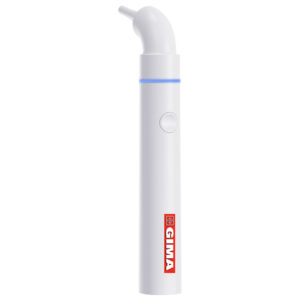
4-in-1 multifunction digital otoscope Ref. 31410 with HD camera and wireless viewing for ear, nose, throat and oral cavity (Ref. 31410 | SKU GM31410)
42,75 € In stockAdd to basket -
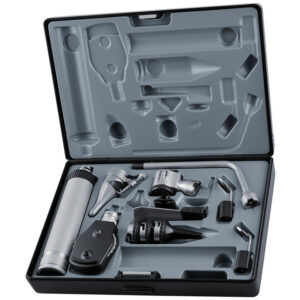
3.5 V xenon-halogen oto-ophthalmoscope diagnostic set with rechargeable handle (Ref. 31480)
172,90 € In stockAdd to basket -
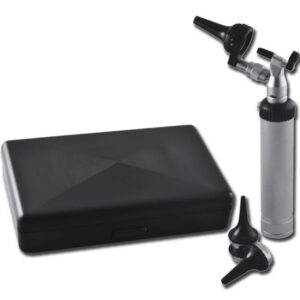
3.5 V xenon-halogen operating oto-ophthalmoscope diagnostic set with rechargeable handle – Ref. 31482
175,75 € In stockAdd to basket -
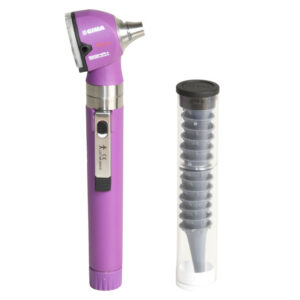
SIGMA F.O. 2.5 V otoscope with xenon-halogen light – Distal fibre optic, 3X lens and insufflation port (Refs. 31511, 31523, 31524, 31525)
Price range: 56,05 € through 65,55 € In stockSelect options This product has multiple variants. The options may be chosen on the product page -
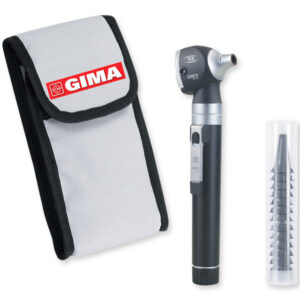
SIGMA F.O. 2.5 V LED otoscope with standard handle – Distal fibre optic, 3X lens and insufflation port (Ref. 31513, SKU GM31513-F)
Price range: 71,25 € through 85,50 € In stockSelect options This product has multiple variants. The options may be chosen on the product page
Buying and selection tips
-
Start with the handle you already have
If the department already has handles of a particular voltage, choose a head compatible with that power source to avoid adapters and reduce the number of different parts. Check the voltage and the type of fitting before buying a head on its own.
-
Distinguish direct illumination from fibre optic
Direct illumination uses a vacuum or halogen bulb. Fibre optics distribute the light more evenly and are combined with xenon, halogen or LED. Choose according to how often it is used and the type of bulb whose replacement you can keep in stock.
-
Check the fitting and size of the speculum
Some sets include specula of different sizes. That provision serves as a reference for calculating consumables, but the fitting must be verified against the head that will be used. Do not assume that a speculum from another source will fit without checking the tip.
-
Decide between a set and separate heads
An otoscope-ophthalmoscope set brings the otoscope and ophthalmoscope together in one case, which simplifies transport and organisation. Separate heads allow only the damaged part to be replaced. Compare the contents of the case and the parts included before choosing.
-
Check the spare bulb
The bulb is a wearing part and its reference changes according to the head and the voltage. Find the exact reference in the manufacturer's information and check that the replacement matches the model. There are 2.5 V and 3.5 V bulbs with different references: do not mix them up.
Compatibility
- Disposable ear specula
- Before restocking, check the fitting and the tip size used by the head.
- Type C battery handle
- Some handles accept type C batteries or a rechargeable battery; check that the voltage of the head matches that of the handle.
Frequently asked questions
How do I know whether an otoscope head fits the handle I already have?
It must have the same voltage and the same type of fitting as the handle. Check both details in the description of the head before buying it.
Do the specula included with an otoscope work with any head?
This should not be assumed. The fitting depends on the head; check the tip and the fitting before using specula from another model.
Is an otoscope-ophthalmoscope set worth it compared with two separate instruments?
A set brings the otoscope and ophthalmoscope together in one case and simplifies transport. Separate instruments allow only the failing part to be replaced and different heads to be chosen; compare the contents and the parts included.
What is the difference between direct illumination and fibre optics in an otoscope?
Direct illumination uses a vacuum or halogen bulb and fibre optics distribute the light more evenly. Fibre optics are combined with xenon, halogen or LED; check the spare bulb before choosing.
How do I choose between a battery, rechargeable or mains-powered otoscope?
It depends on mobility and on the availability of charging at the point of use. A type C battery handle accepts batteries or a rechargeable battery and a plug-in handle runs from the mains. Check the voltage of the head and the type of fitting.
Common questions
Confusing an otoscope with an ophthalmoscope
The otoscope is used for the ear canal and the ophthalmoscope for the eye. An otoscope-ophthalmoscope set brings both together in one case, but each has its own head.
Believing that any speculum fits any otoscope
The speculum must correspond to the type of otoscope and the intended size. It should not be assumed that any size fits any head; check the tip and the fixing system before buying a batch.
Buying a head without checking the voltage of the handle
The head must match the voltage and the fitting of the handle. A bulb or head of the wrong voltage is not a valid replacement; check the reference before changing the part.
More products in this guide
-
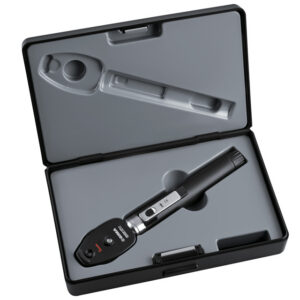
Sigma F.O. 2.5 V Ophthalmoscope with Xenon-Halogen Light, Standard Black Handle and Rigid Case – Ref. 31527 (SKU GM31527)
110,20 € In stockAdd to basket -
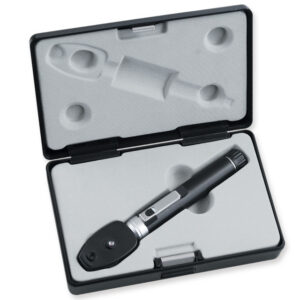
Sigma F.O. LED 2.5 V Ophthalmoscope – Examination Head with Standard Black Handle (Refs. 31529 / 31530)
Price range: 104,50 € through 135,85 € In stockSelect options This product has multiple variants. The options may be chosen on the product page -
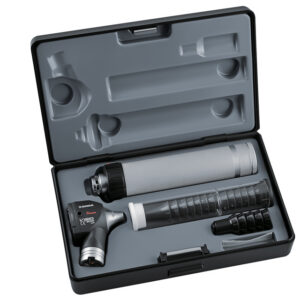
VISIO 2000 F.O. Xenon 3.5 V otoscope with battery handle, reusable and disposable specula and rigid case – Ref. 31535
142,50 € In stockAdd to basket -
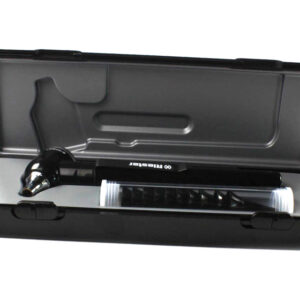
E-SCOPE® F.O. Otoscope. The manufacturer with 3.7 V LED illumination in rigid black case — Precision sealing optics with triple magnification (Ref. 31553)
118,75 € In stockAdd to basket -
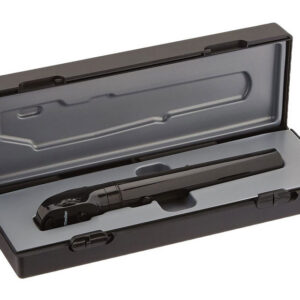
Ophthalmoscope E-SCOPE® F.O. The manufacturer with 3.7 V LED – Black, in rigid case (Ref. 31559)
188,10 € In stockAdd to basket -
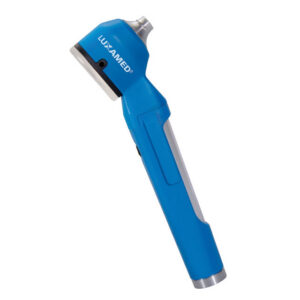
LUXAMED AURIS LED 2.5 V Otoscope – Ring LED illumination, two-colour handle and 3x magnifying lens (GM31570 Black / GM31571 Blue)
87,40 € In stockSelect options This product has multiple variants. The options may be chosen on the product page -
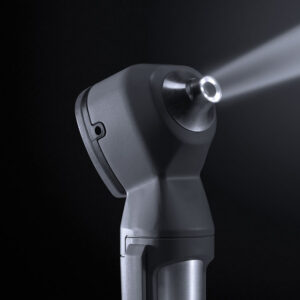
LUXAMED AURIS LED 3.7 V USB rechargeable otoscope – Black – LED ring 10,000 lux, 3X lens and insufflation port (Ref. 31572)
199,50 € In stockAdd to basket -
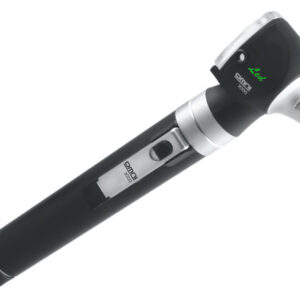
SIGMA F.O. LED otoscope 2.5 V with rechargeable handle and battery – Distal fibre optic, 3X lens, black (Ref. 31580, SKU GM31580-F)
Price range: 98,80 € through 133,00 € In stockSelect options This product has multiple variants. The options may be chosen on the product page