
Holter ECG: buying guide
4 products in the catalogue
A Holter ECG is an ambulatory electrocardiographic monitoring system made up of a recorder that the patient wears and the software used to download, analyse and archive the recording. It is used in healthcare settings to obtain a continuous record of the heart's electric activity over prolonged periods.
The choice is not limited to the recorder. The number of channels, the maximum recording time, the sampling rate, the type of patient cable, the battery life and the analysis software all affect the department's day-to-day work. This guide brings together the criteria worth reviewing before you decide to buy, from channel configuration to downloading the tests and integrating them into the facility's workflow.
Other related families
Products in this guide
-
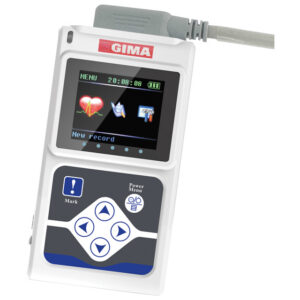
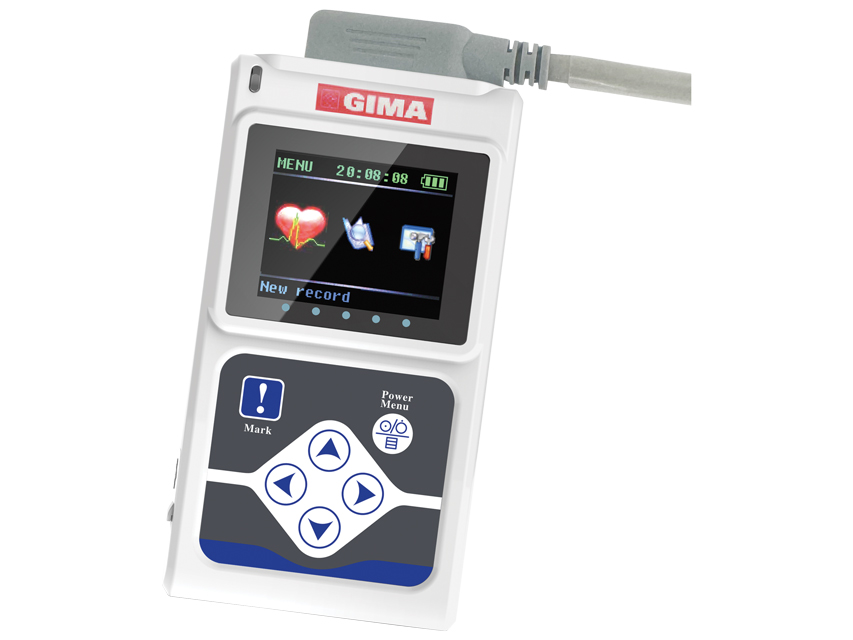
12-channel ECG Holter recorder with analysis software (Ref. 35130)
646,00 € In stockAdd to basket -
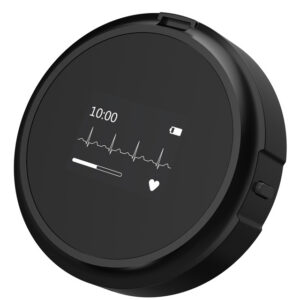
M5 5-lead wireless Holter ECG system – Digital ambulatory ECG recorder (Ref. 54299)
940,50 € In stockAdd to basket -
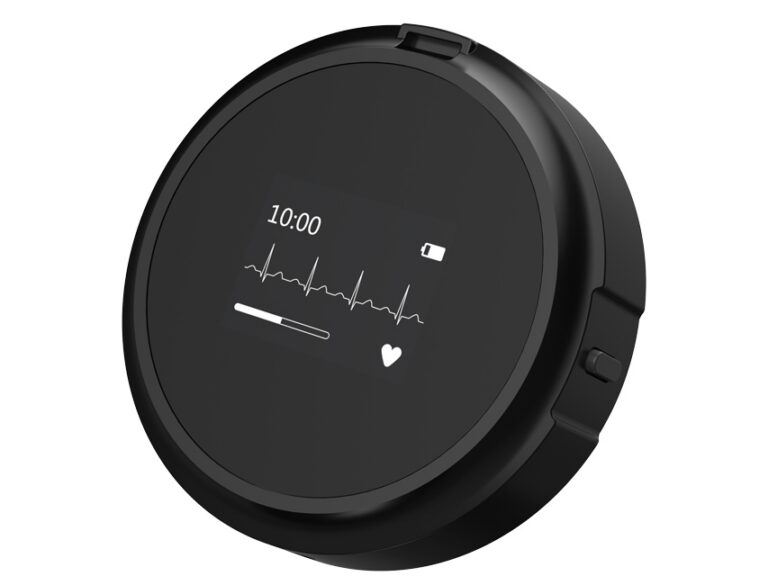
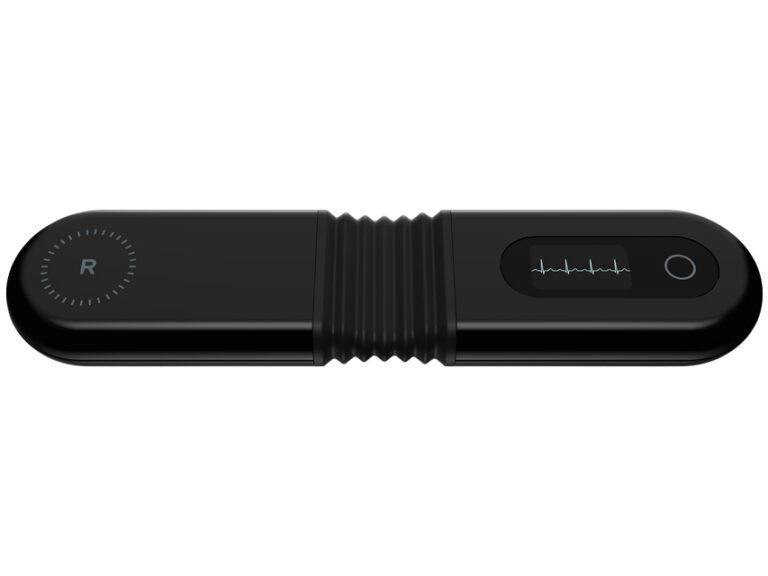
24 h Wearable ECG Holter Recorder Dynamic ECG Recorder – Single-channel, Bluetooth and AI ECG Analysis Software (Ref. 54310)
228,00 € In stockAdd to basket -
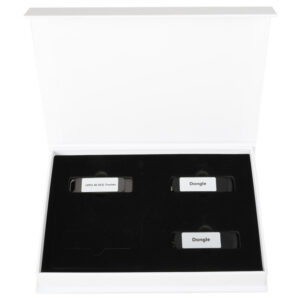
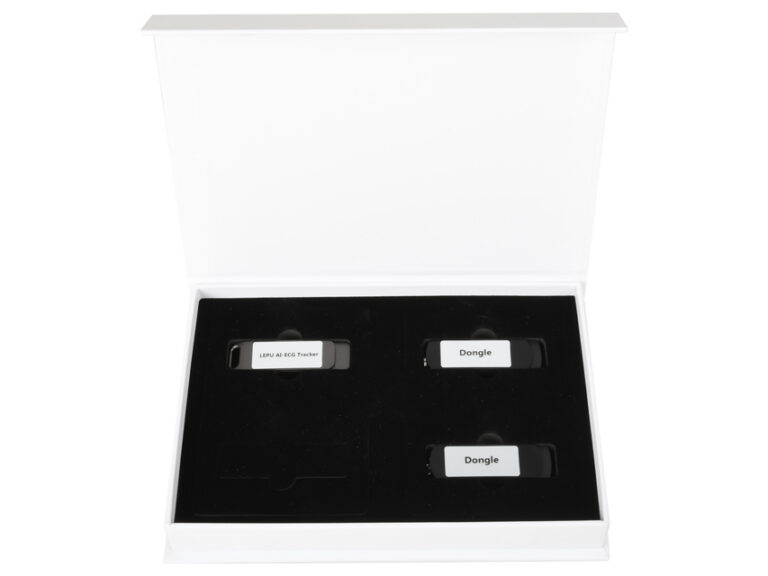
AI-ECG Tracker Holter ECG analysis software with artificial intelligence – Professional arrhythmia diagnosis, 95.2% accuracy | Ref. 54315
218,50 € On orderAdd to basket
Buying and selection tips
-
Define the maximum recording duration
There are recorders for 24 hours, 72 hours and one week of continuous recording. Match the planned length of the examination to the real capacity of the device and its battery life; a long recording also calls for a recorder that is light and comfortable to wear.
-
Choose the number of channels according to the patient cable
On some models the channel configuration depends on the cable used: a 5-lead cable records 3 unipolar channels and a 7-lead cable records 3 bipolar channels. It is worth considering a recorder that automatically recognises the cable inserted, because it reduces set-up errors.
-
Check the sampling rate available
The sampling rate can be selected by software and varies according to the device and its configuration: some recorders work at 250 or 500 samples per second and others reach 1000 per second per channel. A higher sampling rate uses more memory and more battery, so decide whether it is needed for the whole recording or only for certain recordings.
-
Consider a screen that lets you verify the signal
Being able to view several traces on the recorder's own screen before starting the recording lets you check the signal quality and correct the electrode placement. This avoids having to repeat the examination and bring the patient back.
-
Plan the data download and analysis
The recorder captures and stores, but the report is generated in the analysis software. Some programs classify arrhythmias and calculate parameters such as HRV, QTc and ST. Before buying, decide which workstation will do the analysis, where the tests will be archived and whether you want remote review.
Compatibility
- Multi-lead patient cable and channel configuration
- The cable determines the channels that can be recorded, and some recorders automatically identify the cable inserted. Confirm which cable comes with the device and which are available as spares.
- Holter analysis software with USB download
- The recording is downloaded from the recorder to the analysis program, which classifies the main ventricular and supraventricular arrhythmias, atrial fibrillation and paced beats, and generates the final exportable report.
- Web platform for storage and remote review
- Receives tests performed with compatible devices, stores them and supports web-based review, so that recording and analysis workstations can be distributed without geographical restriction.
Frequently asked questions
How do I decide between a 3-channel recorder and a 12-lead one?
Coverage depends on the patient cable: some recorders are supplied with a 5-lead cable and others with 5- and 10-lead cables to cover everything from 3 channels up to recordings equivalent to 12 leads. If the department needs 12 leads, confirm before purchase that the recorder and its cable allow it.
What recording duration can I expect from a recorder?
It depends on the model: some reach up to 7 days of recording on a single AA battery, while others manage around 48 hours. The effective duration depends on the sampling rate and the number of active channels, so it is best to settle it before evaluating the device.
What do I gain from a sampling rate of 1000 per second compared with 250 per second?
A higher sampling rate gives greater temporal resolution of the recording, which is useful when detailed analysis is wanted, but it uses more memory and battery and is not always necessary throughout the examination. Some devices allow the rate to be selected by software according to the type of recording to be made.
Can the signal quality be checked before starting the recording?
Recorders fitted with a screen allow several traces to be viewed at the same time before the recording starts, so that the clinician can validate the signal and the electrode placement on the spot, without having to repeat the examination later.
How do the tests get from the recorder to the reporting department?
In some systems the recording is downloaded by USB to the analysis software and, in networked environments, sent to a web platform that stores the test and allows it to be reviewed from a workstation with the analysis software or a PDF viewer.
Common questions
Thinking that the recorder already includes the analysis and the report
The recorder captures and stores the recording, but the analysis is carried out in the software, which on some models classifies arrhythmias, calculates HRV, QTc and ST and generates the exportable report. Allow for the analysis workstation and its licence alongside the recording device.
Assuming that any patient cable works with any recorder
Cables differ in the number of leads and the type of connector, and they determine the channels that can be recorded. Although some devices automatically recognise the cable inserted, a replacement must match the specific recorder model.