
Cervical collars: buying guide
29 products in the catalogue
The cervical collar is an orthosis placed around the neck to limit its movement. In healthcare it is used for cervical immobilisation during transport or when moving a person.
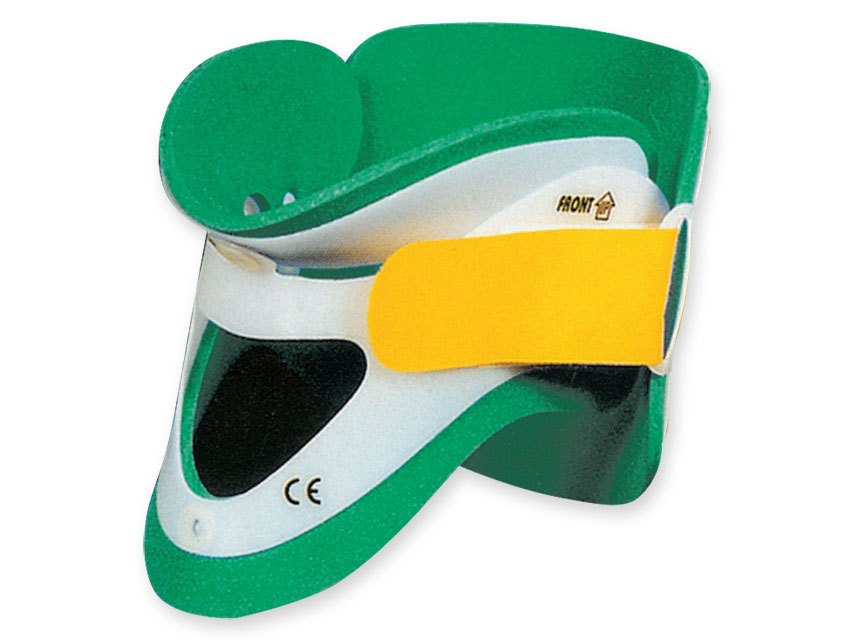
Collars fall into three broad groups: soft ones, made of foam or foam rubber; semi-rigid ones, with a laminated foam support covered in fabric; and rigid ones, in one or two pieces, which restrict movement more. The choice depends on the type of patient, the material, whether the device is reusable or single-use, and whether it needs a tracheal opening or radiolucency. Before buying, it is best to establish the size, the range of neck lengths to be covered, the type of fastening and compatibility with imaging tests.
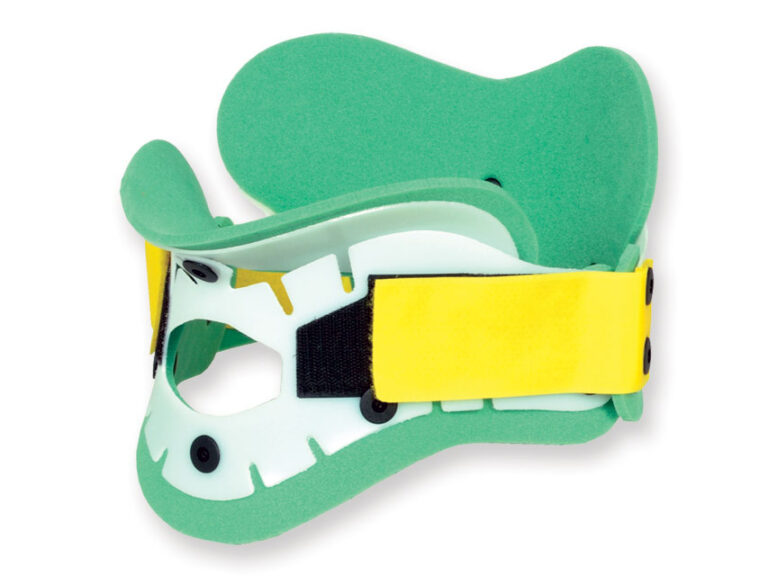
Other related families
Products in this guide
- Polyethylene 17
- Polypropylene 6
- Rubber 6
- Plastic 3
- Nylon / polyamide 2
- Foam 1
- Adult 10
- Paediatric 7
- Single-use 7
- Reusable 4
- M 1
- XL 1
- 0 1
- 5 1
- 30 1
- 37 1
-

Rigid Cervical Collar (Ref. 34600) – Emergency Immobilisation, Size 30-37 cm, Polyethylene with Synthetic Leather Support and Adjustable Height
19,29 € In stockAdd to basket -
Rigid Cervical Collar 37-43 cm – Polyethylene, Adjustable Height and Velcro Closure for Emergency Immobilisation (Ref. 34601)
19,29 € In stockAdd to basket -
Rigid Cervical Collar (Ref. 34602) – Neck Circumference 43-50 cm | Polyethylene, Comfort Support in Synthetic Leather, Adjustable Height and Velcro Closure
19,29 € In stockAdd to basket -
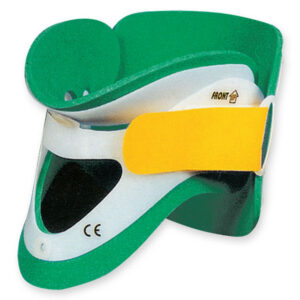
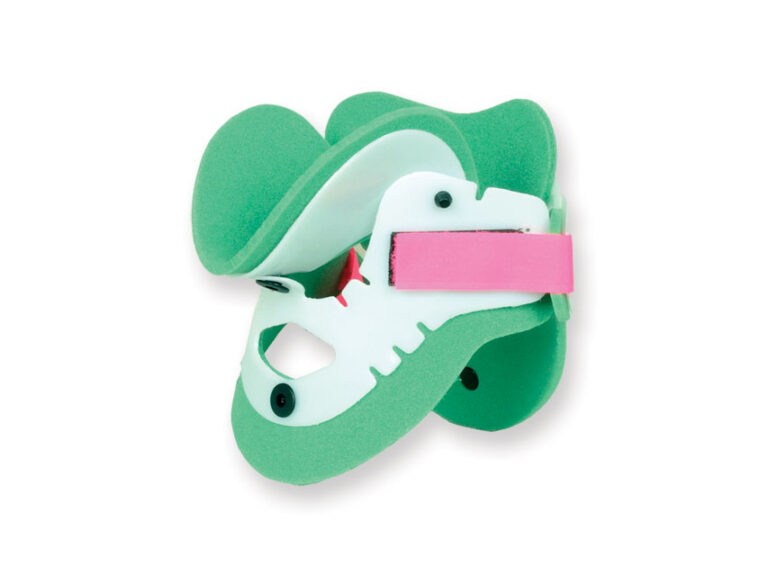
One-Piece Emergency Immobilisation Cervical Collar – Infant Size 44-48 cm Pink
23,47 € In stockSelect options This product has multiple variants. The options may be chosen on the product page -
Set of 6 one-piece first aid cervical collars with bag – Sizes from infant to tall adult, radiolucent (Ref. 34626)
151,05 € In stockAdd to basket -
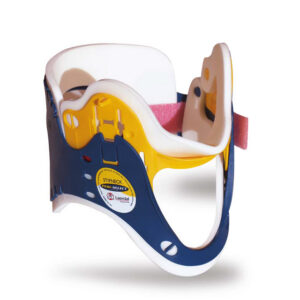
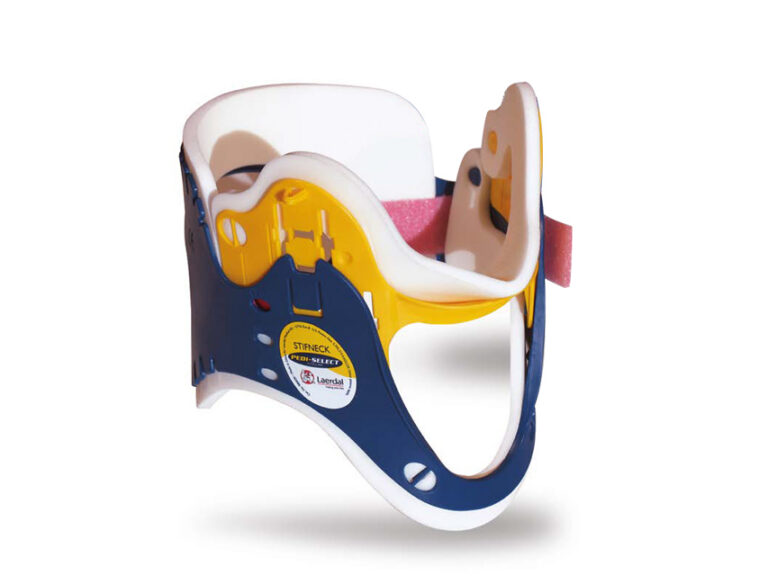
Laerdal Stifneck Select extraction cervical collar – Paediatric size, 4 sizes in 1 (Ref. GM34628, Ref. 34628)
28,22 € In stockSelect options This product has multiple variants. The options may be chosen on the product page -
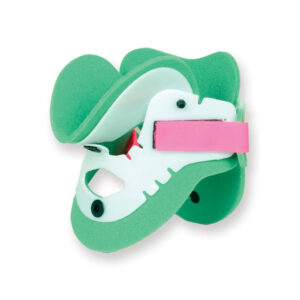
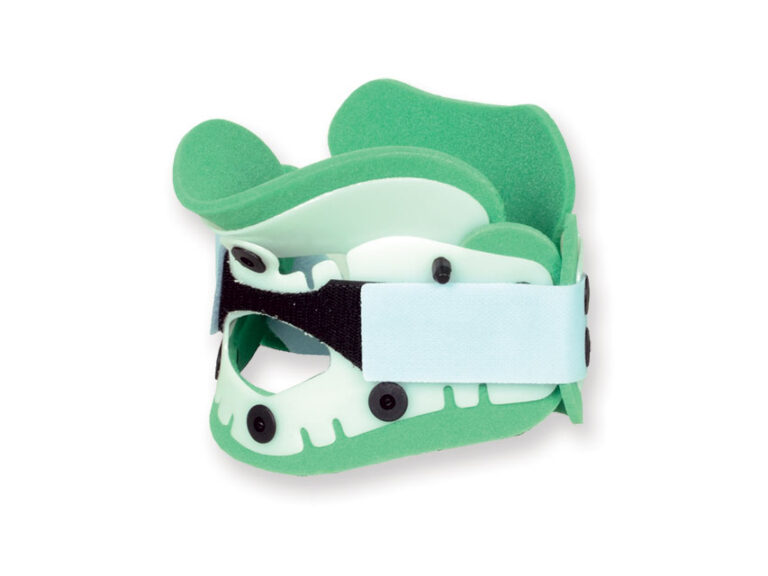
Two-Piece First Aid Cervical Collars – Paediatric (2-6 years) 35-99 cm pink
30,40 € In stockAdd to basket -
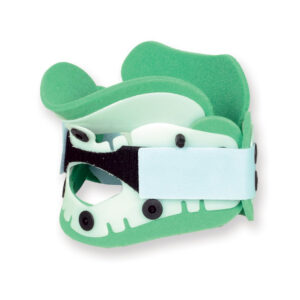
Two-piece first aid cervical collar – Paediatric size (6-12 years) 40-46 cm, light blue
30,40 € In stockAdd to basket
Buying and selection tips
-
Match the size to the neck circumference and length
Check the neck length that each size covers and the range in centimetres it spans before deciding. Sizes range from infant and paediatric to adult, with short-neck and long-neck variants and adjustable-size models.
-
Choose the material according to the rigidity you need
Polyethylene and polypropylene are materials used for rigid collars, while foam and foam rubber are reserved for soft and semi-rigid models. Dense foam models offer a middle ground between comfort and restriction of movement.
-
Weigh reusable against single-use
Single-use collars avoid maintenance between patients. Reusable ones require following the manufacturer's instructions for cleaning and inspection before they are used again.
-
Check the tracheal opening and radiolucency
Check whether the model has a tracheal opening and a rear opening. Radiolucency allows the device to stay in place during X-rays, computed tomography or magnetic resonance imaging; check that the model declares it.
-
Check the fastening system and the chin piece
The hook-and-loop fastening must hold firmly and line up with the hook-and-loop section on the front of the collar. A pivoting or folding chin piece improves fit and allows the device to be stored flat.
-
Consider multi-size sets
Some sets bring together several collars in different sizes with a carry bag, which makes it easier to equip ambulances and first-aid kits. Check which sizes each set includes.
Compatibility
- Head blocks, immobilisers and securing straps
- The collar is one part of the immobilisation, which is completed with head blocks or an immobiliser and securing straps.
Frequently asked questions
How do I decide between a soft, a semi-rigid and a rigid collar?
The soft one, of foam or foam rubber, offers less restriction; the semi-rigid one, with a laminated foam support covered in fabric, a middle ground; and the rigid one, in one or two pieces, restricts movement the most. Choose according to the department's use.
Which size should I choose if the patient has a short or long neck?
In addition to the size by circumference, look at the neck length that the collar covers. There are short-neck and long-neck variants, and adjustable-size models that cover several heights in a single device.
Can the same collar be used for an adult and for a child?
No. There are adult and paediatric versions, with specific infant and paediatric sizes. Choosing an adult size for paediatric use compromises the fit.
What is the difference between a single-use collar and a reusable one?
The single-use one avoids maintenance between patients and is discarded after use; the reusable one requires following the manufacturer's instructions and checking the condition of the device.
Common questions
Believing that a soft collar immobilises as well as a rigid one
This is not the case. The rigid collar is the one that restricts movement the most. Confusing the two leads to choosing a device with less restriction than needed.
Assuming all collars are radiolucent
Not all models are radiolucent or compatible with CT and magnetic resonance imaging. Check this feature on each model before deciding on the purchase.
Thinking the collar on its own completes the immobilisation
The collar is only one part of total immobilisation, which is completed with other elements such as head blocks or an immobiliser and securing straps.
More products in this guide
-
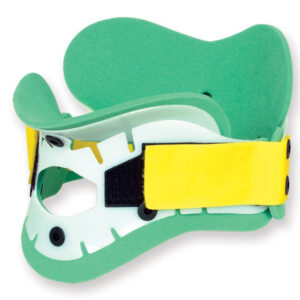
Two-piece first aid cervical collar – Short neck size (bull neck) 48-52 cm, yellow colour
30,40 € In stockAdd to basket -
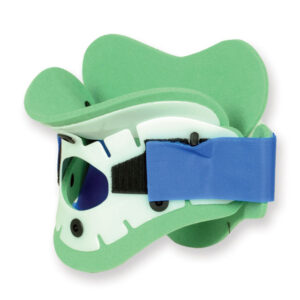
Two-piece first aid cervical collar – Small adult (50-54 cm) blue
30,40 € In stockAdd to basket -
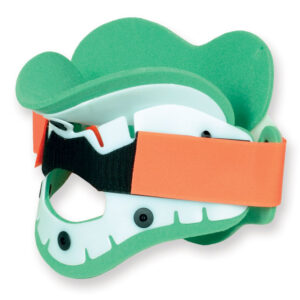
Two-Piece First Aid Cervical Collar – Medium Adult Size 54-58 cm, Orange (Ref. 34634 / SKU GM34634)
30,40 € In stockAdd to basket -
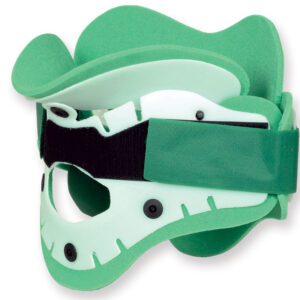
Two-Piece Cervical Immobilisation Collar – Adult Large / Long Neck Size 56-60 cm, Green (Ref. 34635)
30,40 € In stockAdd to basket -
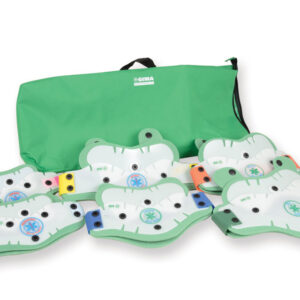
Set of 6 Two-Piece First Aid Cervical Collars – Sizes Infant to Adult with Carry Bag, Radiotransparent (Ref. GM34636)
191,90 € In stockAdd to basket -
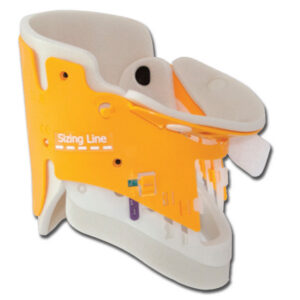
Disposable Rigid Cervical Collar Ambu® Redi-ACE™ – Cervical Spine Immobilisation, Radiotransparent and Latex-Free (Refs. GM34638 / GM34639)
10,45 € In stockSelect options This product has multiple variants. The options may be chosen on the product page -
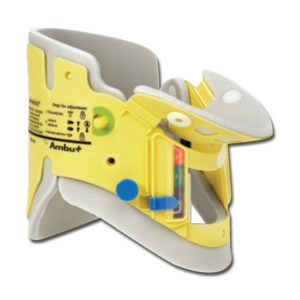
Ambu® Perfit™ ACE® Paediatric Cervical Immobilisation Collar – Rigid One-Piece, Radiolucent (CT/MRI), 12 Adjustments, Single-Use (Ref. GM34640)
16,63 € In stockSelect options This product has multiple variants. The options may be chosen on the product page -
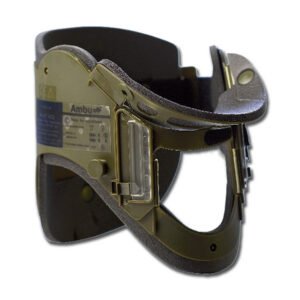
Ambu Perfit ACE Military Immobilisation Cervical Collar – Rigid One-Piece, Radiolucent (CT/MRI), 16 Adjustments, Single-Use (Ref. GM34642)
17,58 € On orderAdd to basket