
How to choose a stethoscope
57 products in the catalogue
A stethoscope is an auscultation instrument that allows you to listen to the sounds produced inside the body. In healthcare it comes in specific versions for adults, paediatric and neonatal patients, as well as cardiology and training models, veterinary models and Pinard fetoscopes.
The choice does not depend on a single factor: the chestpiece may be single-sided or dual-head, with bell and diaphragm, and its material, such as aluminium or stainless steel, determines the weight. Added to this are comfort over long shifts and ease of maintenance. Identifying the setting of use and the type of patient first avoids buying an instrument that is over- or under-specified.
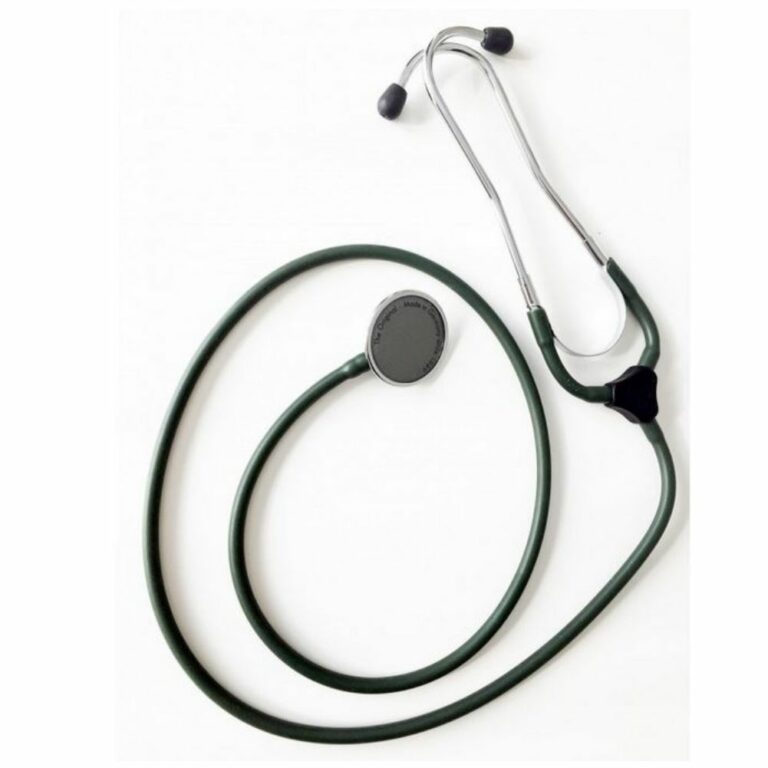
Products in this guide
- 1.3 cm 2
- 6.3 cm 3
- 6.9 cm 14
- 7.5 cm 1
- 17 cm 1
- 70.5 cm 3
- 71 cm 6
- 74 cm 2
- Adult 9
- Paediatric 9
- Neonatal 3
- Medical device 48
- Non-medical 2
- Sanitary kit 1
- I 44
- II a 3
- I m 1
-
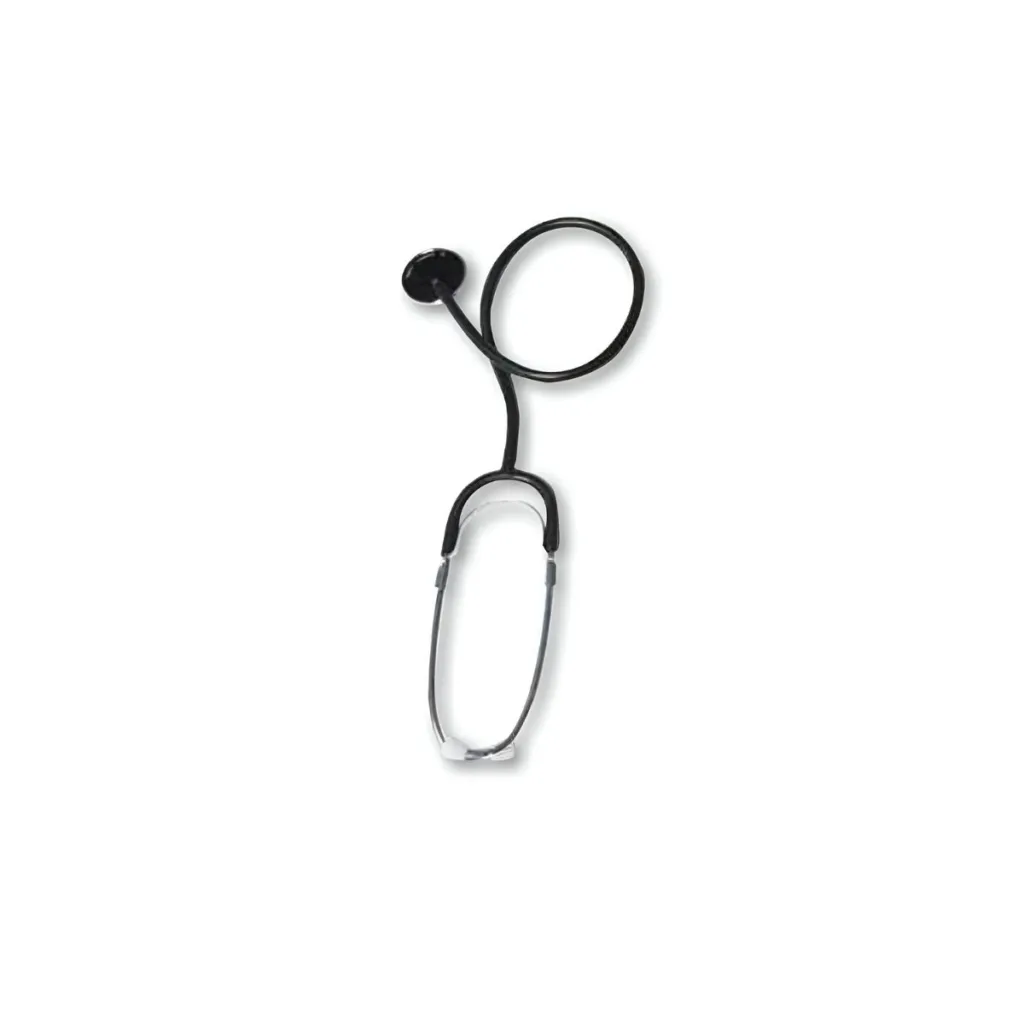
Single Bell Stethoscope Black for Adult Auscultation – Single-head Reusable (Ref. 4365345)
5,20 € In stockAdd to basket -
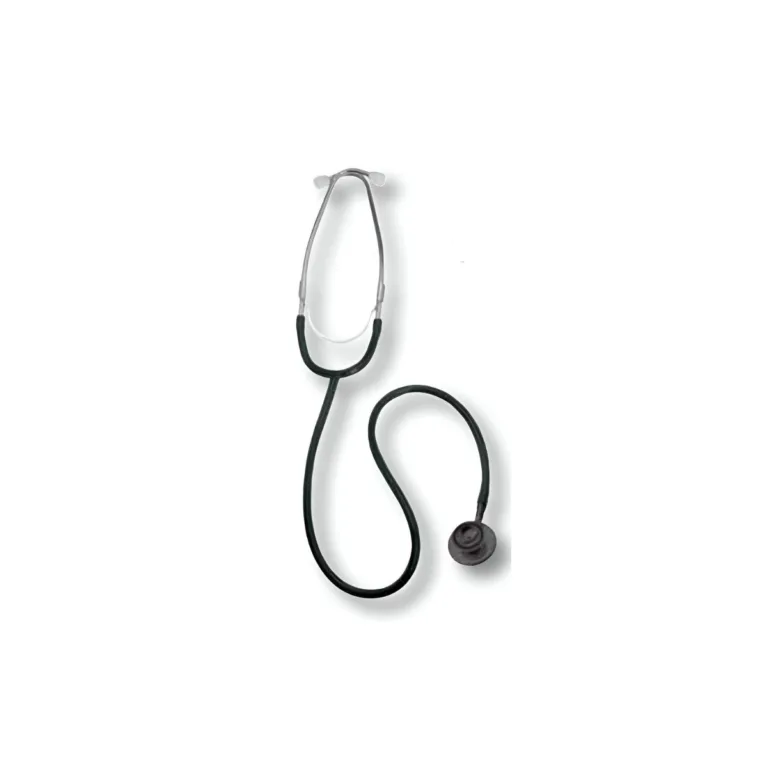
Adult Black Dual-Head Stethoscope – Binaural Acoustic Stethoscope with Reusable Diaphragm and Bell (Ref. 4365545)
6,60 € In stockAdd to basket -

Classic Single-Head Stethoscope Black with Dual-Frequency Diaphragm for Auscultation of Adults and Children – Ref. 4365745
17,00 € In stockAdd to basket -
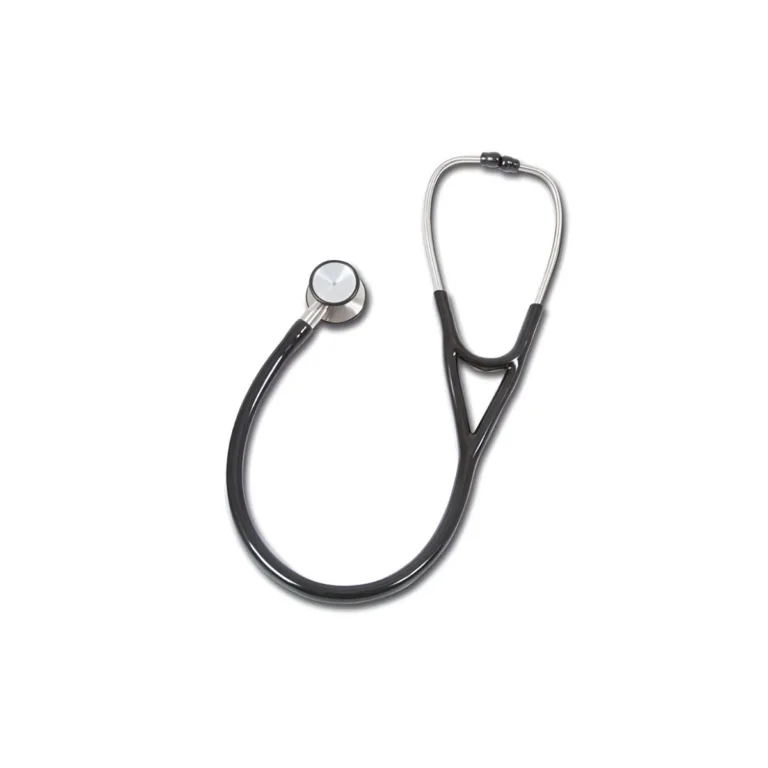
Cardio 3/1 Stethoscope with Double-Sided Chest Piece in Stainless Steel – Dual-Frequency Diaphragm and Double Internal Tubing for Auscultation of Adults and Children (Ref. 4362145)
38,00 € In stockAdd to basket -
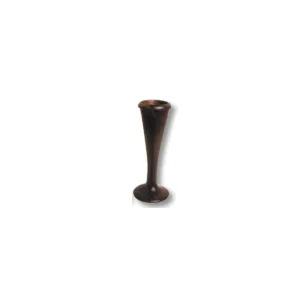
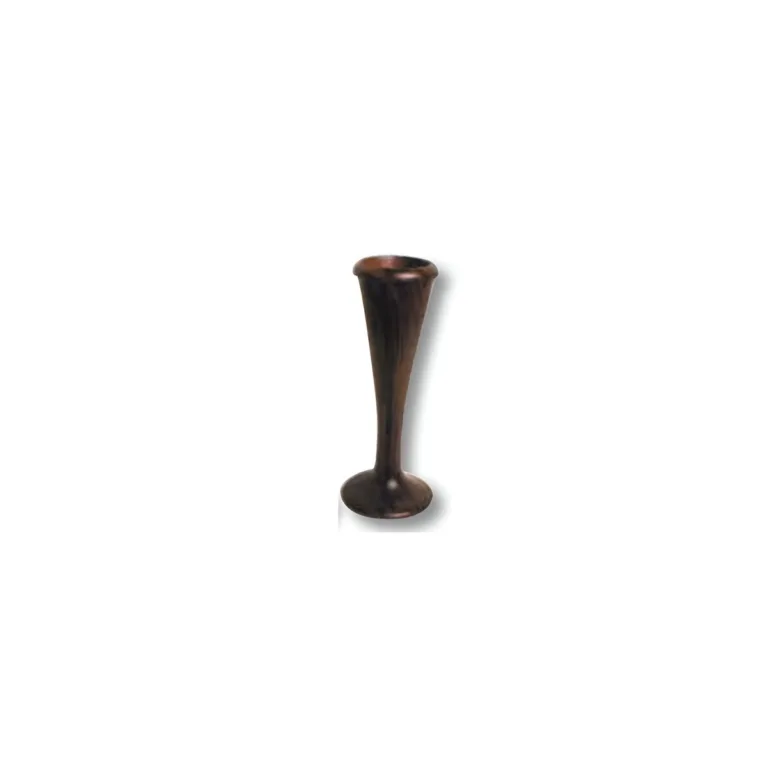
Wooden Pinard Stethoscope for Fetal Auscultation – Reusable Obstetric Fetoscope (Ref. 4396000)
7,60 € In stockAdd to basket -
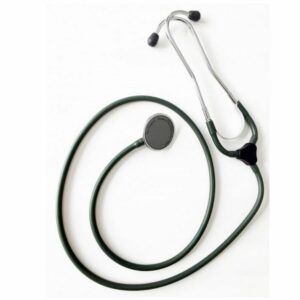
Non-magnetic extended tube stethoscope for Magnetic Resonance Imaging (MRI), compatible up to 3 Tesla | Ref. CAHIRM065
In stockRequest a quote -
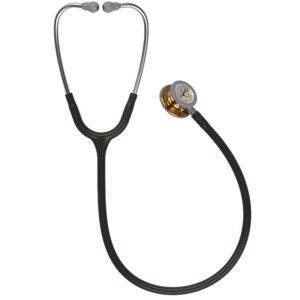
3M™ Littmann® Classic III Special Edition Stethoscope – Adult/Pediatric Stethoscope with Tunable Diaphragms (Ø 43/33 mm, 69 cm) | SKU GM32234-F
Price range: 169,10 € through 178,60 € In stockSelect options This product has multiple variants. The options may be chosen on the product page -
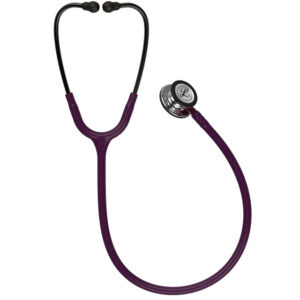
3M™ Littmann® Classic III Stethoscope – Dual-Head Adult/Pediatric Chestpiece with Tunable Diaphragms (Ø 43/33 mm, 69 cm) | Ref. GM32239-F
Price range: 151,05 € through 178,60 € In stockSelect options This product has multiple variants. The options may be chosen on the product page
Buying and selection tips
-
Start with the type of patient
There are stethoscopes for adults, paediatric and neonatal patients, and the size of the bell and diaphragm varies between them. Settle first whether use will be adult, paediatric or neonatal, and whether the instrument has to cover several of those groups; some models with several bells allow switching between them.
-
Dual-head or single-sided
A dual-head chestpiece with bell and diaphragm offers more versatility than a single-sided one, which is usually lighter and simpler. If the work includes cardiological assessment, there are dual-head cardiology models.
-
Chestpiece material
Aluminium gives lightweight pieces that are comfortable for prolonged use, while stainless steel gives greater weight and robustness. Some models combine both materials in the same piece.
-
Training and dual listening
Training stethoscopes have two pairs of earpieces so that instructor and student can listen at the same time. This is a different piece of equipment from the individual diagnostic stethoscope.
-
Specific instruments
For obstetrics there are Pinard fetoscopes, in wood or other materials, and for veterinary use there are bell stethoscopes. They do not replace a general-purpose stethoscope.
Frequently asked questions
What is the difference between a dual-head stethoscope and a single-head one?
The dual-head chestpiece with bell and diaphragm lets you switch between two pieces on the same instrument, while single-head models are lighter and simpler. The choice depends on whether use includes cardiological assessment or is limited to general use.
What equipment do I need so that two people can listen at the same time?
A training stethoscope with two pairs of earpieces and a flat or reversible dual chestpiece. It is designed for teaching and is different from the individual diagnostic one.
How do I look after the stethoscope so that it lasts?
Always follow the manufacturer's instructions for cleaning and maintenance, and check that the product has spare parts available, such as ear tips and diaphragms, if use is intensive.
Can the same stethoscope be used for obstetrics and for general auscultation?
No. The Pinard fetoscope is a monaural instrument for obstetrics and does not replace a dual-head stethoscope for general use.
Common questions
Confusing a training stethoscope with an individual diagnostic one
The training stethoscope has two pairs of earpieces so that two people can listen at once; it is not the right equipment for individual use.
Believing that the chestpiece material makes no difference
Aluminium gives lightweight pieces and stainless steel gives more weight and robustness; some models combine both. The material affects how it feels in use, not just its appearance.
Choosing the chestpiece without checking the patient type
The size of the bell and diaphragm must suit the patient: there are versions for adult, paediatric and neonatal use.
More products in this guide
-
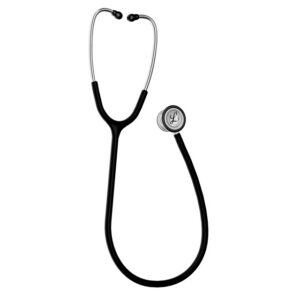
Stethoscope 3M™ Littmann® Classic III – Black with Stainless Steel Finish (Ref. 5620C) | SKU GM32279
172,90 € On orderAdd to basket -
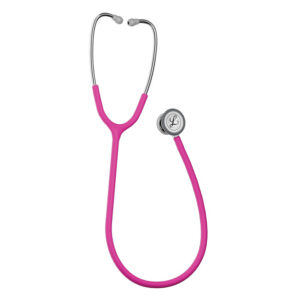
Stethoscope 3M™ Littmann® Classic III – Raspberry colour with stainless steel finish (Ref. 5648C) | SKU GM32280
172,90 € In stockAdd to basket -
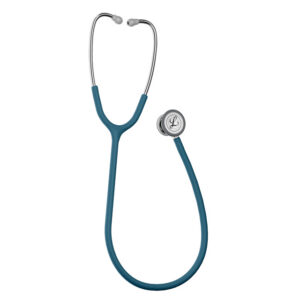
Stethoscope 3M™ Littmann® Classic III – Caribbean blue with stainless steel finish (Ref. 5623C) | SKU GM32281
172,90 € On orderAdd to basket -
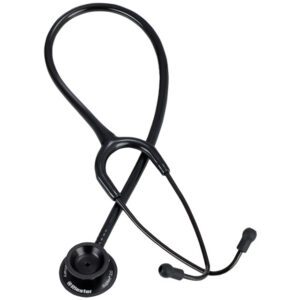
RIESTER DUPLEX® 2.0 Aluminium Stethoscope – Binaural Double-Head Stethoscope for Adults, Latex-Free | Ref. GM32329-F
Price range: 58,90 € through 59,85 € In stockSelect options This product has multiple variants. The options may be chosen on the product page -
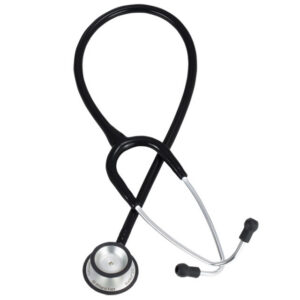
RIESTER DUPLEX® 2.0 Stethoscope in Stainless Steel – Binaural Dual-Chestpiece Stethoscope for Adults, Latex-free | Ref. GM32333-F
Price range: 63,65 € through 67,45 € In stockSelect options This product has multiple variants. The options may be chosen on the product page -
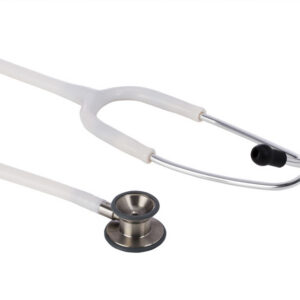
Paediatric stethoscope RIESTER DUPLEX® 2.0 in stainless steel – Dual-head binaural stethoscope for children, white (Ref. 4220-02 / GM32338)
67,45 € In stockAdd to basket -
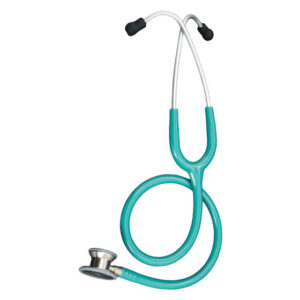
Paediatric stethoscope RIESTER DUPLEX® 2.0 in stainless steel – Dual-head binaural stethoscope for children, green colour | Ref. GM32339
67,45 € In stockAdd to basket -
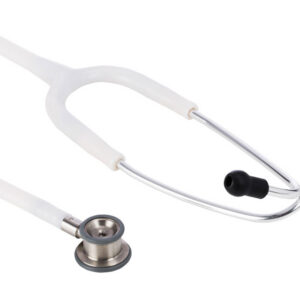
RIESTER DUPLEX® 2.0 neonatal stethoscope in stainless steel – Binaural dual-head stethoscope for newborns, white | Ref. GM32340
67,45 € In stockAdd to basket