
Blue stethoscope: buying guide
24 products in the catalogue
The stethoscope is an examination instrument used for auscultation of body sounds. It forms part of the equipment in consulting rooms, wards, emergency departments and teaching. The blue version does not change its function: the colour is a choice for identification and personalisation, useful when several professionals share equipment or when you want to find the instrument quickly.
Before buying, it helps to separate three decisions: the type of chestpiece, the patient group and the material. A single-head chestpiece is a lightweight option for basic auscultation; a dual-head chestpiece allows you to alternate between diaphragm and bell. Aluminium models are lighter and stainless steel is associated with robust construction. The range includes general-purpose, cardiology, nursing, paediatric and dual-head models. Blue appears under different names, so it is not enough to look at the colour name: check the full reference, the size of the chestpiece and the patient it is intended for.

Products in this guide
- 6.3 cm 2
- 6.9 cm 3
- 7.5 cm 1
- 71 cm 4
- 74 cm 2
- 77 cm 1
- Adult 4
- Paediatric 4
- Neonatal 1
-
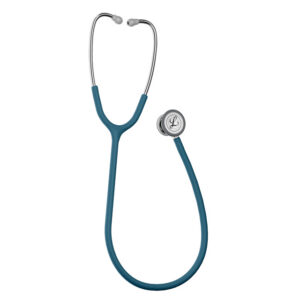
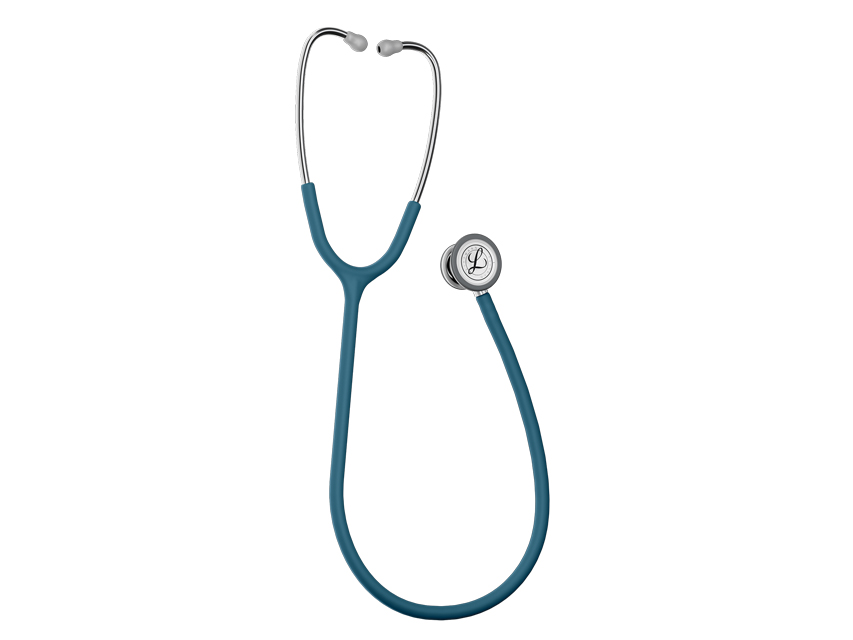
Stethoscope 3M™ Littmann® Classic III – Caribbean blue with stainless steel finish (Ref. 5623C) | SKU GM32281
172,90 € On orderAdd to basket -
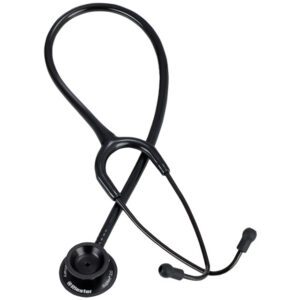
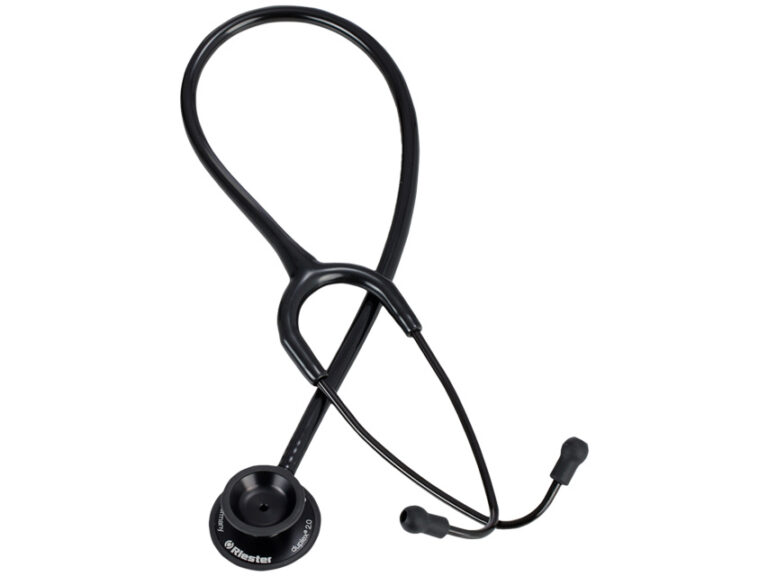
RIESTER DUPLEX® 2.0 Aluminium Stethoscope – Binaural Double-Head Stethoscope for Adults, Latex-Free | Ref. GM32329-F
Price range: 58,90 € through 59,85 € In stockSelect options This product has multiple variants. The options may be chosen on the product page -
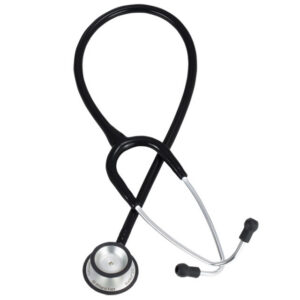
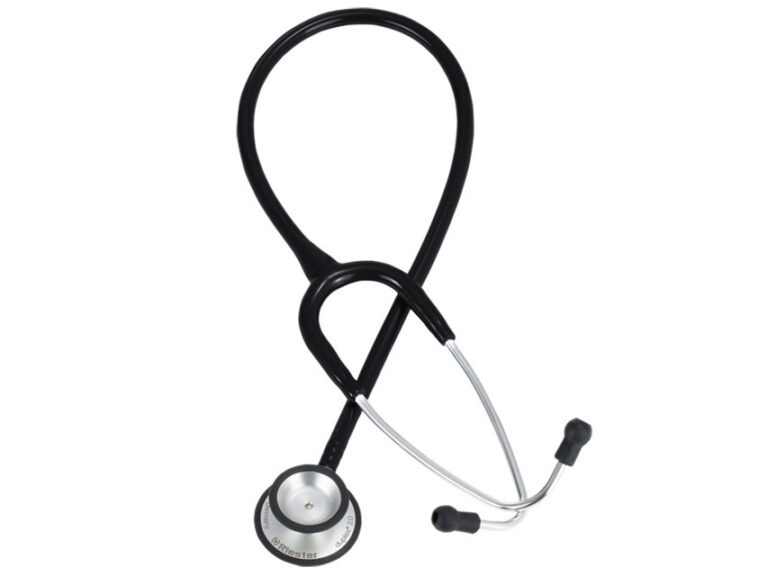
RIESTER DUPLEX® 2.0 Stethoscope in Stainless Steel – Binaural Dual-Chestpiece Stethoscope for Adults, Latex-free | Ref. GM32333-F
Price range: 63,65 € through 67,45 € In stockSelect options This product has multiple variants. The options may be chosen on the product page -
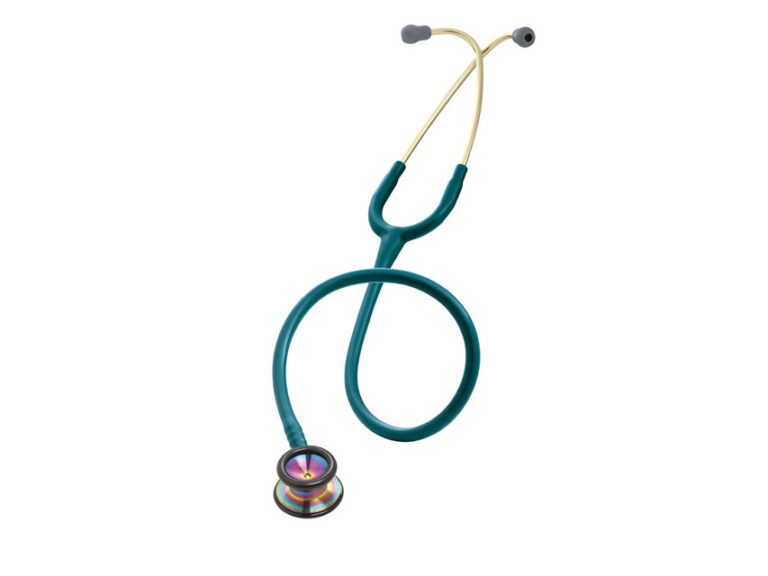
3M™ Littmann® Classic II paediatric stethoscope – Classic II Infant stethoscope with Ø 27/19 mm head and 71 cm (Ref. 2124 and variants) | SKU GM32376-F
Price range: 144,40 € through 149,15 € In stockSelect options This product has multiple variants. The options may be chosen on the product page -
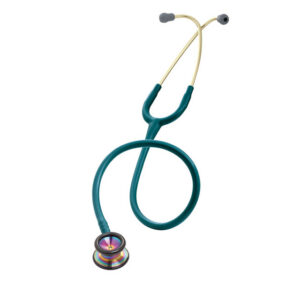
Paediatric stethoscope 3M™ Littmann® Classic II – Classic II Pediatric stethoscope with Ø 33/25 mm head and 71 cm (Ref. 2153 and variants) | SKU GM32381-F
Price range: 144,40 € through 149,15 € In stockSelect options This product has multiple variants. The options may be chosen on the product page -
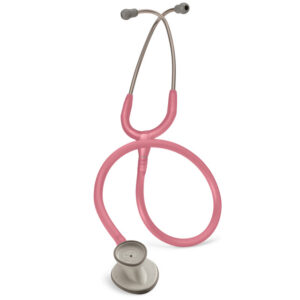
3M™ Littmann® Lightweight II S.E. Stethoscope | Ultralight stethoscope (118 g) with tunable diaphragm and Ø 44 mm head
88,35 € In stockSelect options This product has multiple variants. The options may be chosen on the product page -
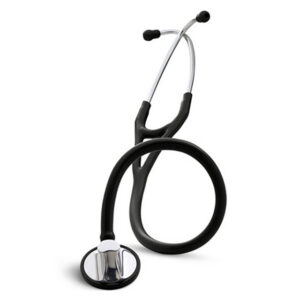
3M™ Littmann® Master Cardiology Stethoscope – Professional auscultation, chestpiece Ø 51 mm and 69 cm tube | Ref. GM32435-F
361,00 € In stockSelect options This product has multiple variants. The options may be chosen on the product page -

Classic dual-head paediatric stethoscope – Stainless steel binaural stethoscope, light blue (Ref. GM32512)
17,10 € In stockSelect options This product has multiple variants. The options may be chosen on the product page
Buying and selection tips
-
Prioritise the dual-head chestpiece if you need two frequencies
On some models, a reversible dual-head chestpiece lets you switch from diaphragm to bell by turning the flexible tubing. It is useful when you want to cover auscultation of high and low frequencies with a single instrument.
-
Specify the shade of blue
There are Caribbean blue, sky blue and navy blue, among other names. Check the combination of bell, tubing, stem and earpieces so that the visual result is the one expected.
-
Match the model to the patient
Paediatric models are not simply a colour version of the adult model. Check the patient group and the size of the chestpiece before deciding.
-
Compare weight and material
Aluminium can reduce weight; stainless steel is associated with robust construction. One stainless steel dual-head model declares 95 g, a relevant figure if it is worn around the neck for many hours.
-
Plan for spare parts from the start
Diaphragms and eartips are wear parts and it is advisable that they can be replaced. Check the diaphragm sizes and that the model accepts replacement eartips before finalising the purchase.
Compatibility
- Replacement eartips
- Check that the model uses replaceable eartips and that the size suits the intended use.
- Replacement diaphragms
- Check the diameter before ordering a replacement; some models have two diaphragm sizes, for example 44 mm and 32 mm.
Frequently asked questions
How do I choose the shade of blue among several versions?
Do not just ask for "blue": specify whether you want Caribbean blue, sky blue or navy blue and check the combination of tubing, bell, stem and earpieces. The same commercial name may cover different finishes.
What does a reversible dual-head chestpiece offer in a blue stethoscope?
It allows you to switch from diaphragm to bell by turning the flexible tubing on models that include it. It is the option if you do not want to change instruments between the two types of auscultation.
What weight should I compare on a stainless steel dual-head chestpiece?
One stainless steel dual-head chestpiece model declares 95 g. Consider this figure if the stethoscope is going to be worn around the neck all day.
Can I buy an adult blue stethoscope for paediatric use?
It is better to choose a specific paediatric model, with a chestpiece and bell adapted to the purpose. Check the patient group before choosing the colour.
What should I check when buying stethoscopes with spare parts for a department?
Confirm the diaphragm diameter and that the model accepts replacement eartips. For maintenance, follow the manufacturer's instructions.
What should I check on a dual-bell model for teaching?
Confirm whether it includes two pairs of earpieces and a 110 cm flexible tube, which allows two people to auscultate at the same time. Also check the total length and the weight of the set.
Common questions
Asking for "blue" without specifying the finish
Blue may be Caribbean, sky or navy, and may be combined with different tubing and earpieces. The full reference is what defines the final appearance.
Assuming that a dual-head chestpiece suits any patient
The paediatric size and model are specific; an adult chestpiece does not become paediatric by changing the colour.
Forgetting spare parts when choosing the model
Eartips and diaphragms wear out and it is advisable to be able to replace them. Check their availability before deciding.
Confusing a Pinard stethoscope with a binaural stethoscope
The Pinard is a cylindrical stainless steel instrument for monaural auscultation; it is not a general-purpose binaural stethoscope.
More products in this guide
-

WAN paediatric dual-head stethoscope — Latex-free binaural stethoscope with 35 mm Ø diaphragm and 30 mm Ø bell
17,10 € In stockSelect options This product has multiple variants. The options may be chosen on the product page -
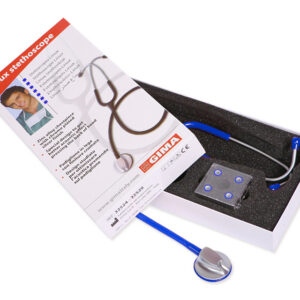
LINUX Stethoscope – Single-head stethoscope with zinc alloy chestpiece Ø 44 mm and PVC tube (blue, black or red)
11,88 € In stockSelect options This product has multiple variants. The options may be chosen on the product page -
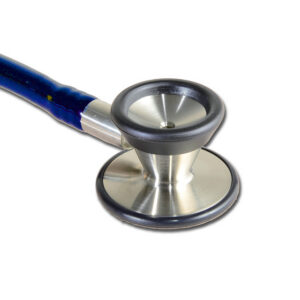
Classic stainless steel cardiology stethoscope with conical bell and ultrasensitive diaphragm – Blue colour (Ref. 32550)
23,75 € In stockSelect options This product has multiple variants. The options may be chosen on the product page -
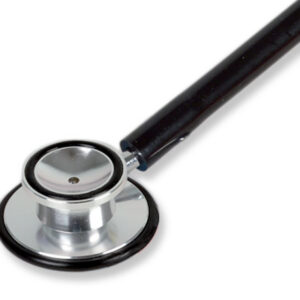
TRAD Paediatric Stethoscope – Aluminium Double and Single Head, Latex-Free (Ref. GM32555, GM32557, GM32559)
Price range: 3,71 € through 4,18 € In stockSelect options This product has multiple variants. The options may be chosen on the product page -

TRAD Aluminium Stethoscope (Phonendoscope), Single Head and Latex-Free for Adults and Paediatrics (Ref. GM32558–GM32564)
3,71 € In stockSelect options This product has multiple variants. The options may be chosen on the product page -

TRAD dual head adult stethoscope — Latex-free aluminium binaural stethoscope
4,18 € In stockSelect options This product has multiple variants. The options may be chosen on the product page -

WAN Single-Head Adult Stethoscope — Latex-Free, Chrome-Plated Zinc Alloy Chest Piece Ø 45 mm
12,83 € In stockSelect options This product has multiple variants. The options may be chosen on the product page -
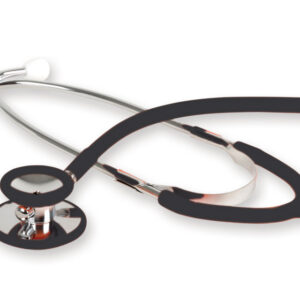
WAN adult dual-head stethoscope — Binaural stethoscope with diaphragm and bell, latex-free
15,68 € In stockSelect options This product has multiple variants. The options may be chosen on the product page