
Fixation dressings: buying guide
7 products in the catalogue
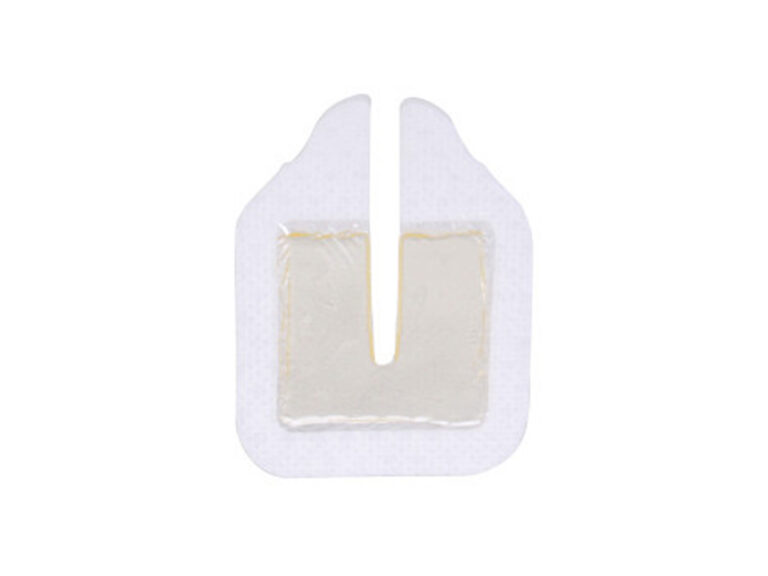
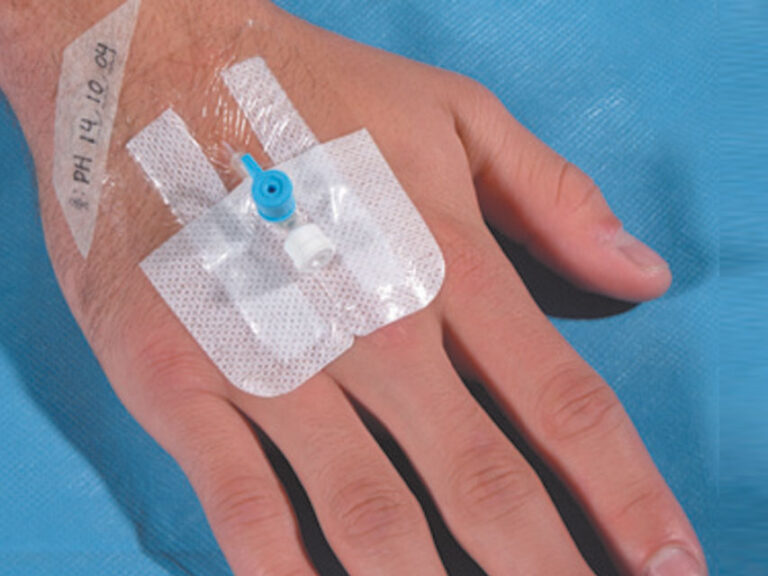
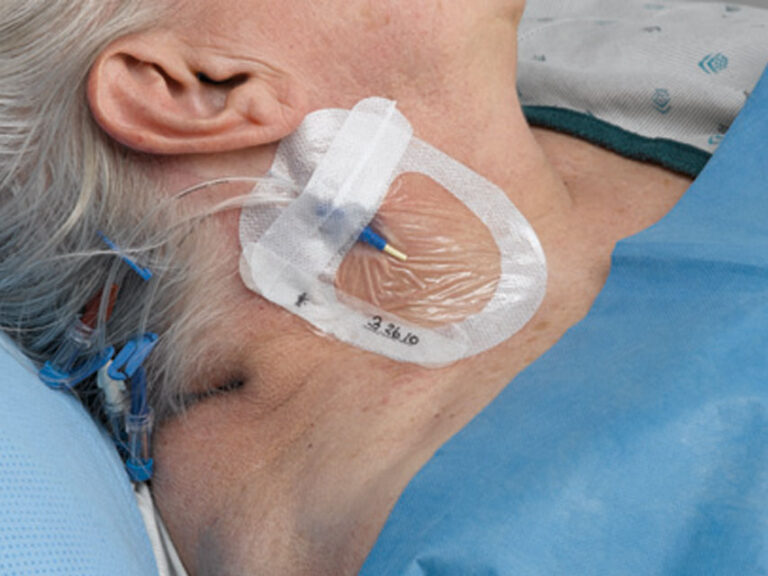
A fixation dressing is the product that holds a catheter, an intravenous line, a tube or a primary dressing in place. The range includes transparent polyurethane films for securing intravenous lines, some with chlorhexidine, a non-woven fabric cannula fixation dressing, a tube stabiliser and a roll of non-woven fabric sheet.
To buy well, look at the type of device, the material, the overall size and that of the window or pad, the nature of the adhesive and the presentation. The references are very different solutions from one another and should not be treated as equivalent even if they share the same size.
Other related families
Products in this guide
- Non-woven 3
- Polyurethane 3
- Box OF 100 2
- Box OF 25 2
- Box OF 50 1
- Unit 1
- Medical device 5
- Sanitary kit 1
- II a 3
- I 1
- III 1
-
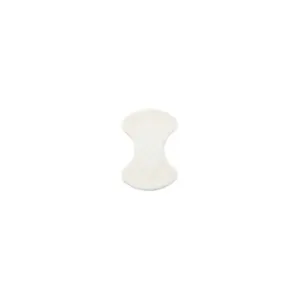
Foley Catheter Securement Dressing FCS200ZT | Hypoallergenic Urinary Catheter Stabilizer
188,65 € In stockAdd to basket -
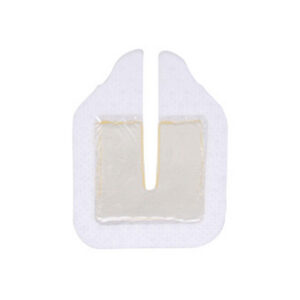
3M™ Tegaderm™ CHG I.V. Fixation Dressing with Chlorhexidine 12×12 cm (Ref. 1665R) – Box of 25 units
589,00 € In stockAdd to basket -
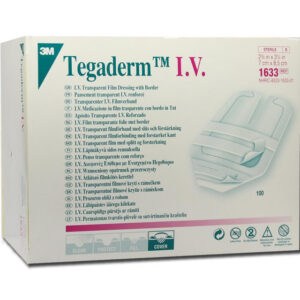
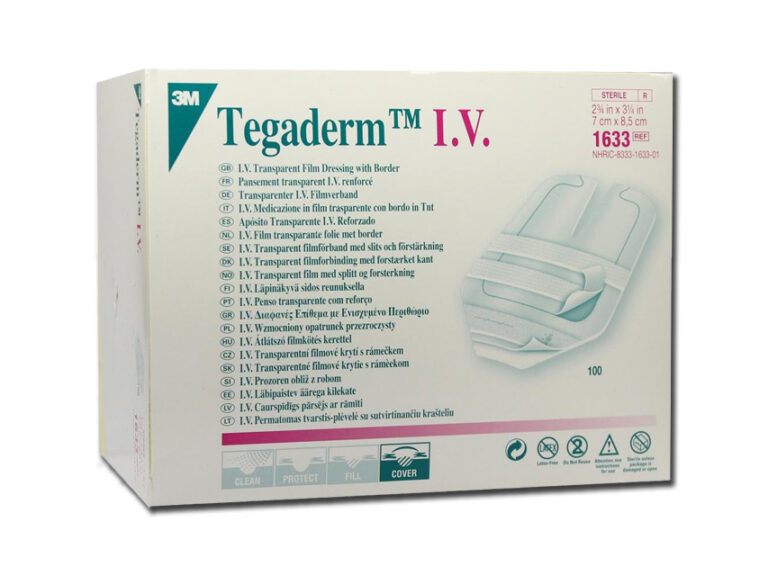
Transparent IV Securement Dressing 3M Tegaderm™ IV 7 x 8.5 cm Sterile for Peripheral Lines – Box of 100 units
94,05 € In stockAdd to basket -
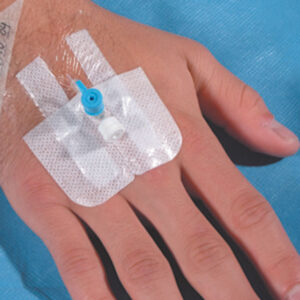
3M Tegaderm IV Advanced IV Fixation Dressing 6.5 x 7 cm for Peripheral Lines – Sterile – Box of 100 units
135,85 € In stockAdd to basket -

Transparent I.V. Securement Dressing 3M™ Tegaderm™ IV Advanced 8.5 x 11.5 cm Sterile for Central Lines – Box of 50 units (Ref. 3M 1685)
163,40 € In stockAdd to basket -
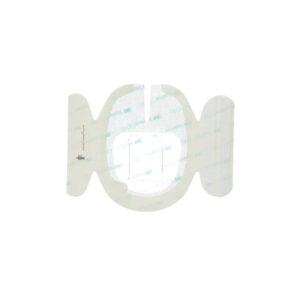
I.V. Fixation Dressing 3M Tegaderm CHG 8.5 x 11.5 cm with Chlorhexidine – Sterile – Box of 25 units
446,50 € In stockAdd to basket -
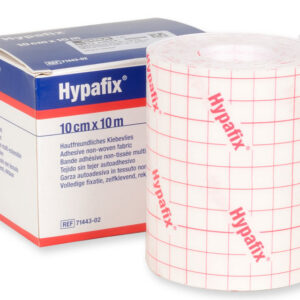
Hypafix® BSN fixation dressing 10 cm × 10 m – Non-woven fabric sheet with polyacrylate adhesive for dressing retention (Ref. 71443-02)
10,17 € In stockAdd to basket
Buying and selection tips
-
Transparent film or textile sheet
The transparent polyurethane film lets you see the fixation site without lifting the dressing. The roll of non-woven fabric sheet secures and holds, but is not transparent. Decide which suits the department's use.
-
Textile sheet for retention over large areas
Stretchable polyester non-woven fabric with acrylic adhesive conforms to body contours and is cut from the roll to the exact length, which reduces waste. It is used to secure dressings and to hold tubes and catheters.
-
Overall size and window size are not the same
On dressings with a border, the stated size may be that of the whole dressing and not of the pad or window, which is smaller. Before comparing two formats, check both figures in the description of each reference.
-
Tube-securing devices
Some devices are designed to hold a tube or a line in place, with simple application and removal. Check the form, one or two pieces, and the size before deciding.
-
Adhesive: ask for the manufacturer's data
The adhesive affects removal and skin tolerance. Ask for the composition of the adhesive mass and not just that of the backing, and check what the manufacturer declares about its tolerance.
-
With chlorhexidine: not interchangeable
A fixation dressing with chlorhexidine is not a conventional transparent dressing: it incorporates an auxiliary substance. Before changing format, confirm the product's characteristics. Do not assume that two dressings of the same size are interchangeable.
Compatibility
- Non-woven fixation sheet over a primary dressing
- It is used to hold dressings over large areas and to secure tubes and catheters; it is cut from the roll to the exact size. Some references declare themselves latex-free and thiuram-free.
Frequently asked questions
What is the difference between a transparent fixation dressing and a non-woven fabric sheet?
The transparent dressing is a polyurethane film that lets you see the fixation site. The non-woven fabric sheet is a stretchable backing with acrylic adhesive, designed to hold dressings and secure tubes and catheters, but it is not transparent.
How do I choose the size of a fixation dressing?
Always compare the overall size with that of the window or pad, because on formats with a border the pad is smaller. Check both figures on each reference before deciding.
Can I use a roll of fixation sheet instead of a transparent dressing?
It depends on the use. The sheet is cut from the roll to the precise length and is used for fixation, but it is not a transparent film. Choose according to whether the department needs to see the fixation site.
What should I check before switching from a transparent dressing to one with chlorhexidine?
That the product is the one the department needs and that the format and size remain suitable. Do not treat them as equivalent because they share the same size: check the characteristics of each reference.
Common questions
Confusing the overall size of the dressing with that of the pad
On formats with a border, the stated size may be that of the whole dressing and the pad is smaller. Comparing two products only by their outer size can lead to choosing an insufficient window.
Assuming that a tube securing device and a fixation dressing are the same thing
The securing device is a device for holding the line or tube; the dressing covers and protects the fixation site. They are different products and should be ordered separately.
Thinking that the roll sheet can be used to monitor the line
The non-woven fabric sheet secures and holds, but is not transparent, so it does not allow you to see the site without removing it. To see it, a transparent film is needed.