
How to choose a chest drain
19 products in the catalogue
A chest drain is the set of devices used to evacuate air or fluid from the pleural cavity. In a hospital purchase two components are ordered together but chosen separately: the catheter or tube, and the collection system that receives the drainage, whether a bag or a bottle.
The catheter is defined by its Ch gauge, its length, its material and whether or not it has a trocar; the collection system is defined by the number of bottles, the water seal and the volume of the reservoir. A well-specified order must fix both ends and the connector that joins them, because a correct catheter with an incompatible collector forces you to improvise. This guide sets out the criteria a professional buyer can verify before confirming the order: gauge, length, material, seal type, capacity and connection.
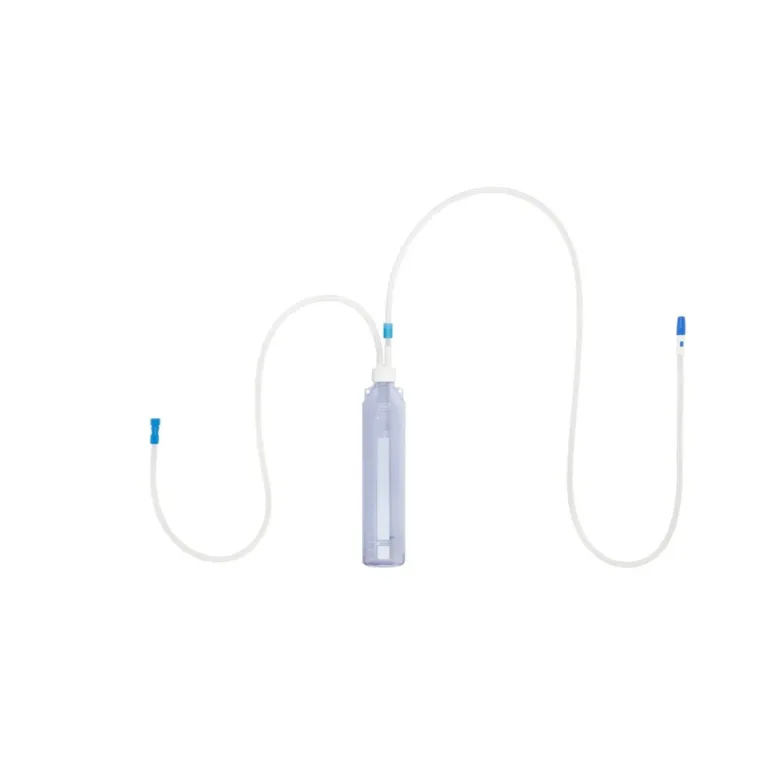
Other related families
-
 Thoracic Drainage Catheters
This is the family where gauge, length and the presence of a trocar are decided; the core of the order.
-
 Optiline Chest Drainage Set
It groups chest drain sets with a collector; they are compared by number of bottles and water seal.
-
 Bottles and Accessories
It covers collection bottles and their accessories; this is where the volume is fixed.
-
 Surgical Drainage Bags
An alternative to bottles for collection; chosen by capacity and connection type.
Products in this guide
- 12 ch 1
- 14 ch 2
- 16 ch 4
- 18 ch 1
- 20 ch 1
- 24 ch 1
- 28 ch 1
- 1 ml 2
- 2 l 1
- 3 ml 1
- 350 ml 3
- Box OF 10 9
- Box OF 25 7
- Unit 2
- Box OF 5 1
- 23.3 cm 1
- 23.8 cm 1
- 41 cm 1
- 41.1 cm 1
-
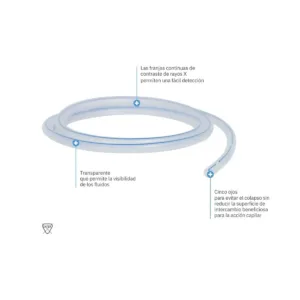
Round Silicone Surgical Drain 14CH (14 French) – Sterile Perforated Passive Drainage Tube
49,28 € In stockAdd to basket -
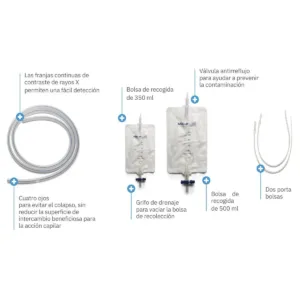
Round Surgical Silicone Drain Set 18CH with 350 ml Collection Bag – DRAINSID Passive Drainage (Ref. 564018)
30,80 € In stockAdd to basket -
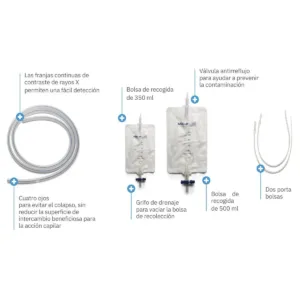
Round Silicone Surgical Drain Set 20CH with 350 ml Collection Bag – Passive Drainage DRAINSID® (Ref. 564020)
31,19 € In stockAdd to basket -
Round Surgical Silicone Drain 14CH (14 French) – Perforated Passive Drainage Tube for Postoperative Use (Box of 10 Units)
49,28 € In stockAdd to basket -
Round Surgical Drain in Medical Silicone 16CH – Perforated Passive Drain Tube for Postoperative (Box of 10 units)
45,74 € In stockAdd to basket -
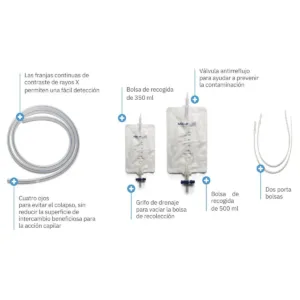
Round Surgical Silicone Drain 16CH with 350 ml Collection Bag – DRAINSID Passive Drainage Set (Box of 5 units)
29,65 € In stockAdd to basket -
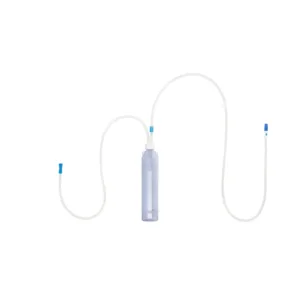
OPTILINE® single-bottle chest drainage set with water seal (Ref. 27105) – Box of 25 units
236,78 € In stockAdd to basket -
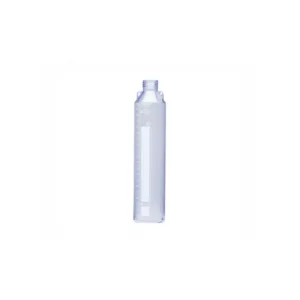
OPTILINE Chest Drainage Bottle 1,000 ml – System for gravity and suction pleural drainage (box of 25 units)
82,78 € In stockAdd to basket
Buying and selection tips
-
Separate the catheter from the collection system
A chest catheter and a collection system are different families and are chosen using different criteria. The catheter is decided by gauge, length, material and whether it has a trocar; the system by number of bottles, water seal and volume. Ordering them as a single item is the quickest route to a connector incompatibility.
-
Fix gauge and length together
The gauge is expressed in Ch or Fr and equals three times the outer diameter in millimetres; the length is stated separately. The products include catheters from CH12 to CH32 with lengths that vary according to gauge. Two catheters of the same gauge with different lengths are not the same product, so check that the order includes both figures.
-
Decide on the system before comparing
The products include 1,000 ml and 3,000 ml bottles, single-bottle and double-bottle sets with a water seal, and bags with a graduated scale. If a comparison of quotes does not state the type of system and the number of bottles, it is of no use.
-
Check the connector
The joint between catheter and collector is where most orders go wrong. There are stepped connectors, Luer lock connectors and system-specific ones, and not all of them fit together. Check the connector on the catheter and on the collector or bag before closing the purchase.
-
Check material and radiopacity
The products include silicone catheters and catheters in other materials. Radiopacity is a detail that must appear in the description of each product, so it should be checked reference by reference.
-
Match the collector volume
Collectors come in different volumes, from 1,000 ml bags to 3,000 ml bottles, with or without a graduated scale. The capacity determines how often the unit has to change them.
Compatibility
- Chest catheter and collection system
- The connection is made through the catheter connector and the collector port; there are stepped connectors, Luer lock connectors and system-specific ones, and they are not interchangeable.
- Collection bag with Luer lock connection
- Collection bags may have a Luer lock connection and a graduated scale; confirm that the connection matches that of the drainage system.
Frequently asked questions
How do I tell a chest catheter from a collection system when ordering?
The catheter is the tube and is defined by gauge, length, material and trocar; the system is the assembly that receives the drainage and is defined by bottles, seal and volume. They are separate families and are ordered with different details.
What should I check in the description of a chest catheter with a trocar?
Ch gauge, length in millimetres, material, radiopacity and the number of side eyes where stated. The trocar is part of the reference, but it does not replace any of those details.
What is the difference between a single-bottle set and a double-bottle set?
They differ in the number of bottles in the system. Always compare the complete configuration and the volume of each bottle, because they are not equivalent.
Does the collector capacity change the order for the rest of the circuit?
Yes. Collectors and collection bags come in different capacities and with different connectors. Fix the capacity and connection type before ordering the rest of the circuit.
What is the difference between a catheter with a trocar and one without?
The trocar is part of the reference of the catheter that includes it. A catheter without a trocar is a different reference, so they are not interchangeable on the same order.
Common questions
Ordering "a chest drain" without saying whether it is a catheter or a system
The expression covers two families with different selection criteria. A catheter is defined by gauge, length and trocar; a system by bottles, seal and volume. Without that precision, the reference that arrives may not be suitable.
Assuming that any collection bag fits any system
Bags differ in capacity and connection type. A bag without the right connection cannot be attached to the circuit.
Believing that the trocar is an optional accessory added afterwards
In catheters with a trocar, it is part of the reference and is not ordered separately. If you need a trocar, you must choose the reference that includes it.
More products in this guide
-
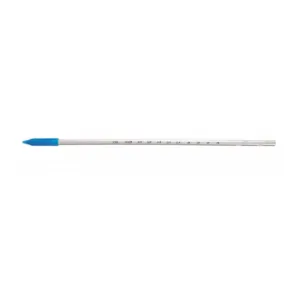
Sterile straight thoracic catheter Ch. 16 (CH16) | Pleural drainage with 6 lateral eyes, atraumatic tip and radiopaque strip
46,20 € In stockAdd to basket -
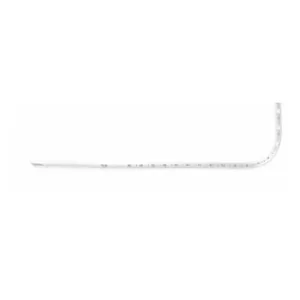
Sterile curved silicone thoracic catheter Ch. 28 (CH28) – Pleural drainage with 6 side holes, atraumatic tip and radiopaque strip (Ref. 24155)
137,06 € In stockAdd to basket -
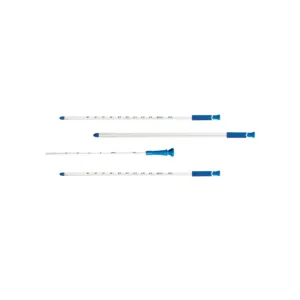
Sterile thoracic catheter with trocar CH12, L = 233 mm – Percutaneous pleural and thoracic drainage (Monaldi and Bülau techniques)
97,79 € In stockAdd to basket -
Sterile thoracic CH16 catheter with trocar, L = 238 mm – Percutaneous pleural and thoracic drainage (Monaldi and Bülau techniques)
100,87 € In stockAdd to basket -
Sterile thoracic catheter with CH24 trocar, L = 410 mm – Percutaneous pleural and thoracic drainage (Monaldi and Bülau techniques)
107,80 € In stockAdd to basket -
Sterile thoracic CH28 catheter with trocar, L = 411 mm – Percutaneous pleural and thoracic drainage (Monaldi and Bülau techniques)
110,88 € In stockAdd to basket -
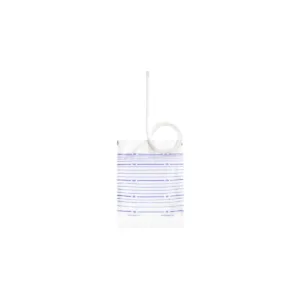
Sterile Drainage Bag 2000 ml with Luer-Lock Connection and Graduated Scale | Ref. 21106 – Box of 25 units
94,33 € In stockAdd to basket -
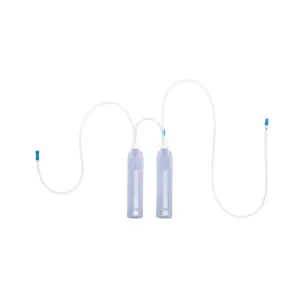
OPTILINE double-bottle thoracic drainage set with water seal and non-return valve (Ref. 27107) – Box of 25 units
477,40 € In stockAdd to basket