
How to choose an X-ray film viewer
16 products in the catalogue
An X-ray film viewer (viewing box) is an illuminated screen on which radiographs are placed to be viewed by transmitted light. It is used in radiology departments, consulting rooms and reading rooms, and provides uniform light for reviewing the image.
Units are organised in panels: each panel is an independent illuminated screen, and several can be grouped in the same unit, from one panel to four or more. As for the light source, there are cold fluorescent light models and ultra-slim LED models, both wall-mounted and desktop. The choice between one technology and the other, the number of panels, the dimensions and the space available are the points to resolve before buying.
Other related families
Products in this guide
-
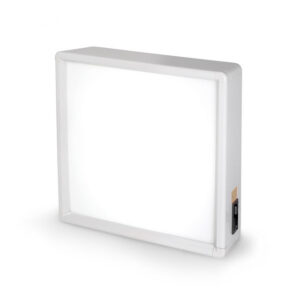
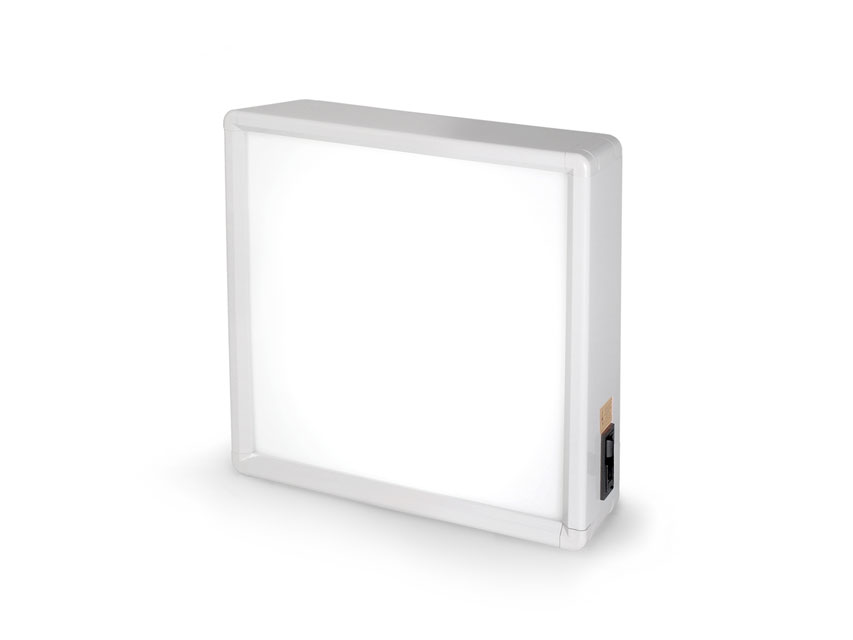
Negatoscope 38×38 cm – 1-panel Light Box with 6,500 K cold light for reading radiology films (Ref. 27364)
267,90 € In stockAdd to basket -
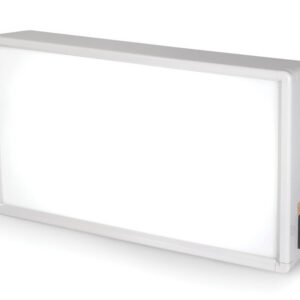
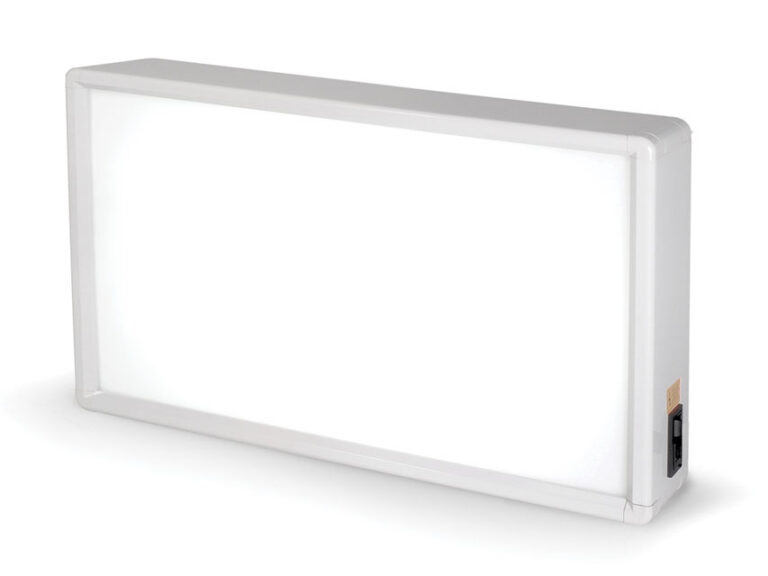
Negatoscope 38×62 cm – Light Box of 1.5 panels with cold light 6,500 K for reading radiology films (Ref. 27365)
318,25 € In stockAdd to basket -
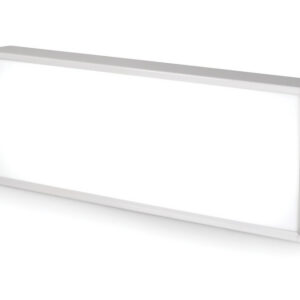
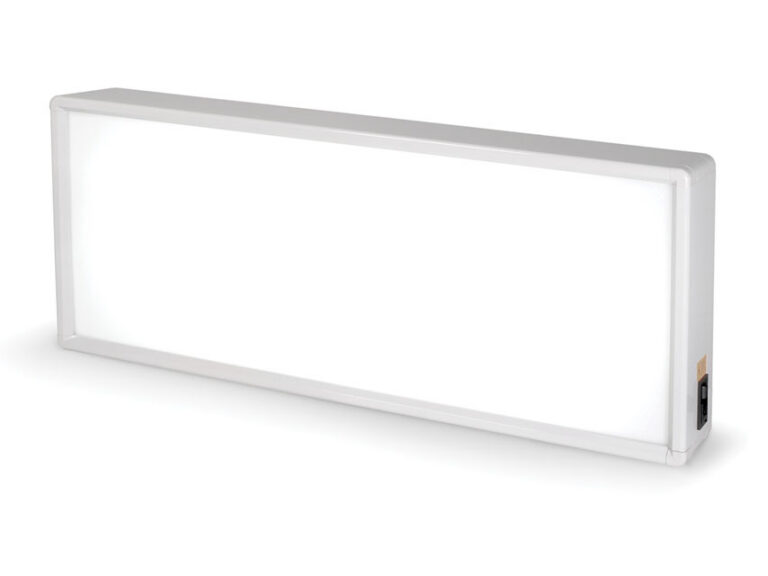
Double negatoscope 38×92 cm – Light Box with 2 panels with cold light 6,500 K for reading radiology films (Ref. 27366)
352,45 € In stockAdd to basket -
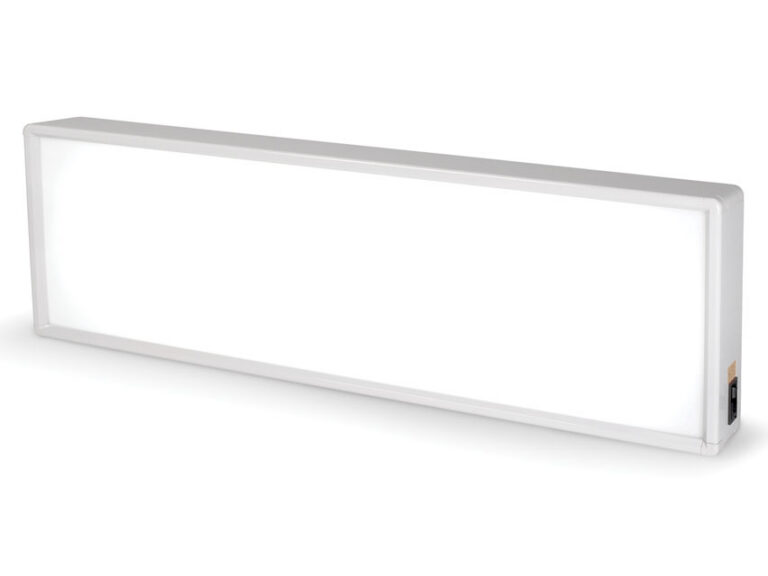
Triple X-ray viewer 38×122 cm – 3-panel Light Box with 6,500 K cold light for reading radiology films (Ref. 27367)
470,25 € In stockAdd to basket -
Quadruple negatoscope 38×153 cm – 4-panel light box with 6,500 K cool light for reading radiology films (Ref. 27368)
593,75 € In stockAdd to basket -
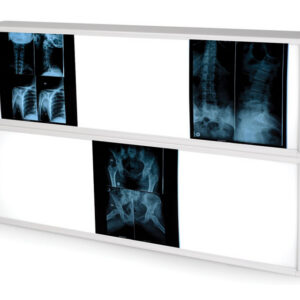
X-ray viewer 76×122 cm – Light Box with 2×3 panels with cold light 6,500 K for reading radiology films (Ref. 27369)
1.007,00 € In stockAdd to basket -
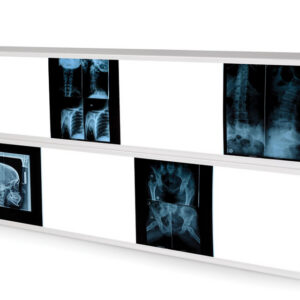
X-ray viewer 76×153 cm – Light Box with 2×4 panels with cold light 6,500 K for reading radiology films (Ref. 27370)
1.263,50 € In stockAdd to basket -
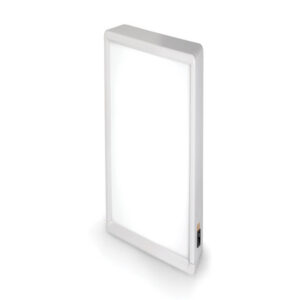
Double vertical negatoscope 92×38 cm – 2-panel light box with 6,500 K cold light for reading radiology films (Ref. 27372)
352,45 € In stockAdd to basket
Buying and selection tips
-
Match the number of panels to the reading volume
Units are offered in one-, two-, three- or four-panel configurations. If several films are reviewed at once, more panels avoid having to keep swapping the radiographs. Also consider the total width of the unit before deciding.
-
Choose between fluorescent and LED light
There are viewers with cold fluorescent light and with ultra-slim LED light. Check which technology each reference uses, along with its power consumption and thickness, before completing the purchase.
-
Check the dimensions of the unit and of the space
References give the screen dimensions in centimetres, from single-panel formats to multi-panel units. Measure the available space and the height at which the screen will sit before choosing the size.
-
Wall-mounted or desktop
There are wall-mounted and desktop models. Define the location before choosing, because it affects the installation and the size.
-
Check how the radiographs are held
Check that the clip system allows you to place and remove the radiograph easily without disturbing the others.
-
Consider independent switching for each panel
In multi-panel units, one switch per screen lets you light only the one in use and reduces power consumption.
Frequently asked questions
How many panels should I choose for a reading room with several films a day?
It depends on the reading volume: units are offered with one, two, three or four panels. If several films are compared at once, more panels mean less handling. If only one film is read at a time, a single panel may be enough.
What does LED light offer compared with a fluorescent screen?
Ultra-slim LED models take up less space. Compare the power consumption and dimensions of each reference to decide which suits your room.
How are radiographs held in place on the screen?
By the screen's clip system. Check that it does not make it difficult to place and remove the film.
Can I switch on one panel and leave the others off?
Yes, when the unit has a switch for each screen. If the unit will almost always be used with a single film, it is worth prioritising this feature.
What dimensions should I check before fixing the film viewer to the wall?
The dimensions of the unit and the working height, as well as the total width taken up by the panels. With those figures you can decide whether the available space will take the chosen unit.
Common questions
Assuming all the panels on a film viewer light up at once
Each panel is an independent illuminated screen, and units with a switch per screen let you light only the one in use.
Assuming fluorescent and LED screens are equivalent
They share the same function but differ in power consumption and thickness. It is best to decide on the technology before settling on the number of panels.
Choosing the size by number of panels alone
Units with the same number of panels can differ in their dimensions. Always compare the dimensions of each reference.
More products in this guide
-
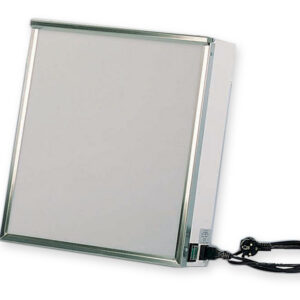
1-panel 40×43 cm X-ray viewer – Light Box viewer for radiology films with cold fluorescent light (230 V)
207,10 € In stockAdd to basket -
Negatoscope Light Box 80×43 cm – 2 panels, cold fluorescent white light for reading X-ray plates (Ref. 44692)
324,90 € In stockAdd to basket -
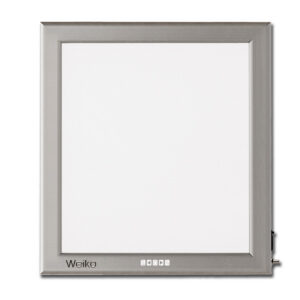
Ultra-flat Slim LED Negatoscope 42×36 cm – Wall viewer for radiographs (Ref. 44700)
494,00 € In stockAdd to basket -
Ultra-flat triple LED negatoscope 42×108 cm Ref. 44702 – X-ray reading
997,50 € On orderAdd to basket -
Triple vertical negatoscope 122×38 cm – 3-panel Light Box with cold light 6,500 K for reading radiology plates (Ref. 27373)
470,25 € In stockAdd to basket -
Wall-mounted ultra-flat LED negatoscope 42 x 144 cm – Quadruple, 4 panels · Ultra Slim (Ref. 44703)
1.189,40 € In stockAdd to basket -
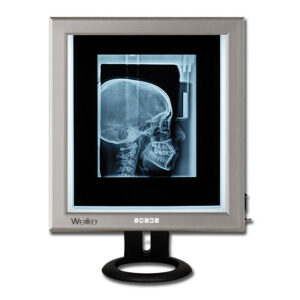
Ultra-flat LED desktop negatoscope 42 × 36 cm (Ref. 44705)
617,50 € In stockAdd to basket -
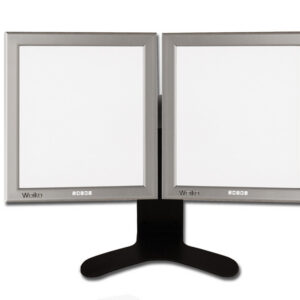
Ultra-flat LED desktop negatoscope 42×36 cm – Double panel (Ref. 44706)
Price range: 1.608,35 € through 2.161,25 € In stockSelect options This product has multiple variants. The options may be chosen on the product page