
How to choose a vaginal speculum
20 products in the catalogue
The vaginal speculum is an instrument used in gynaecology to separate the walls of the vagina during examination. When buying, there are two main families: the disposable speculum, for single use, and the reusable one, made of stainless steel.
The choice is not just about the material. The opening and locking mechanism (ratchet, screw, pin), the size, whether the product is supplied sterile or non-sterile, the declared absence of latex and the packaging format used to restock the consulting room all play a part. Reusable specula require reprocessing in accordance with the manufacturer's instructions. This guide sets out these criteria so you can draw up a specification consistent with your volume of use.
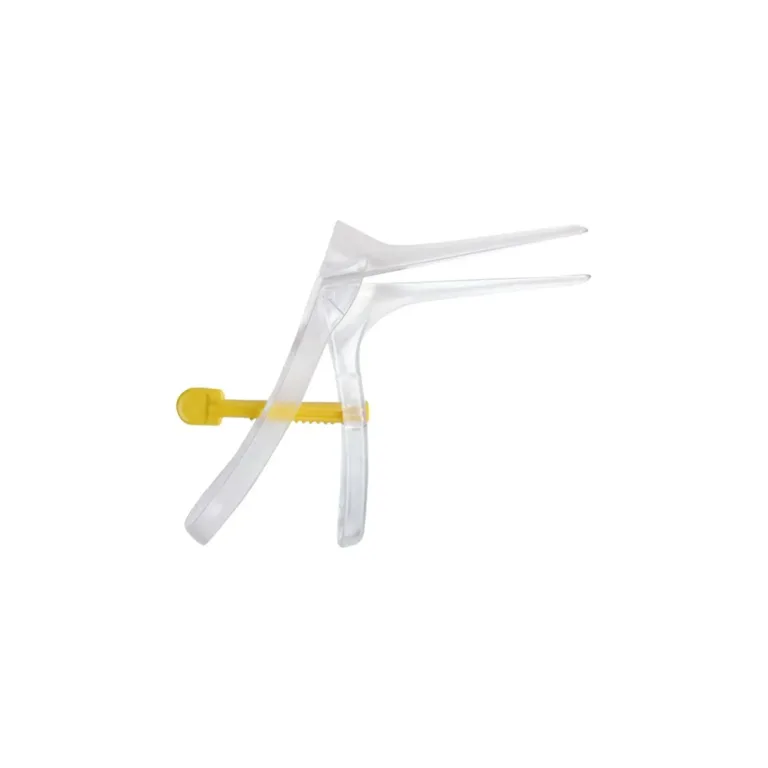
Other related families
- GYNAECOLOGY Umbrella category where gynaecological examination consumables are grouped.
-
 Disposable Gynaecology Instruments
Covers the single-use speculum.
-
 Metal Instruments
For those considering reusable stainless steel specula.
-
 Cytology Swabs
Complementary consumable for gynaecological examinations.
Products in this guide
- Single-use 13
- Reusable 4
- Sterile 11
- Non-sterile 5
- Plastic 6
- Glass 5
- Stainless steel 4
- Polyethylene 1
- L 4
- M 4
- S 4
-
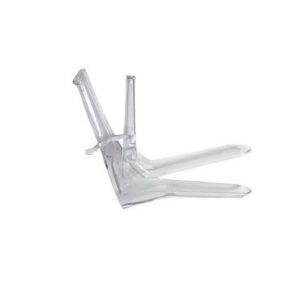
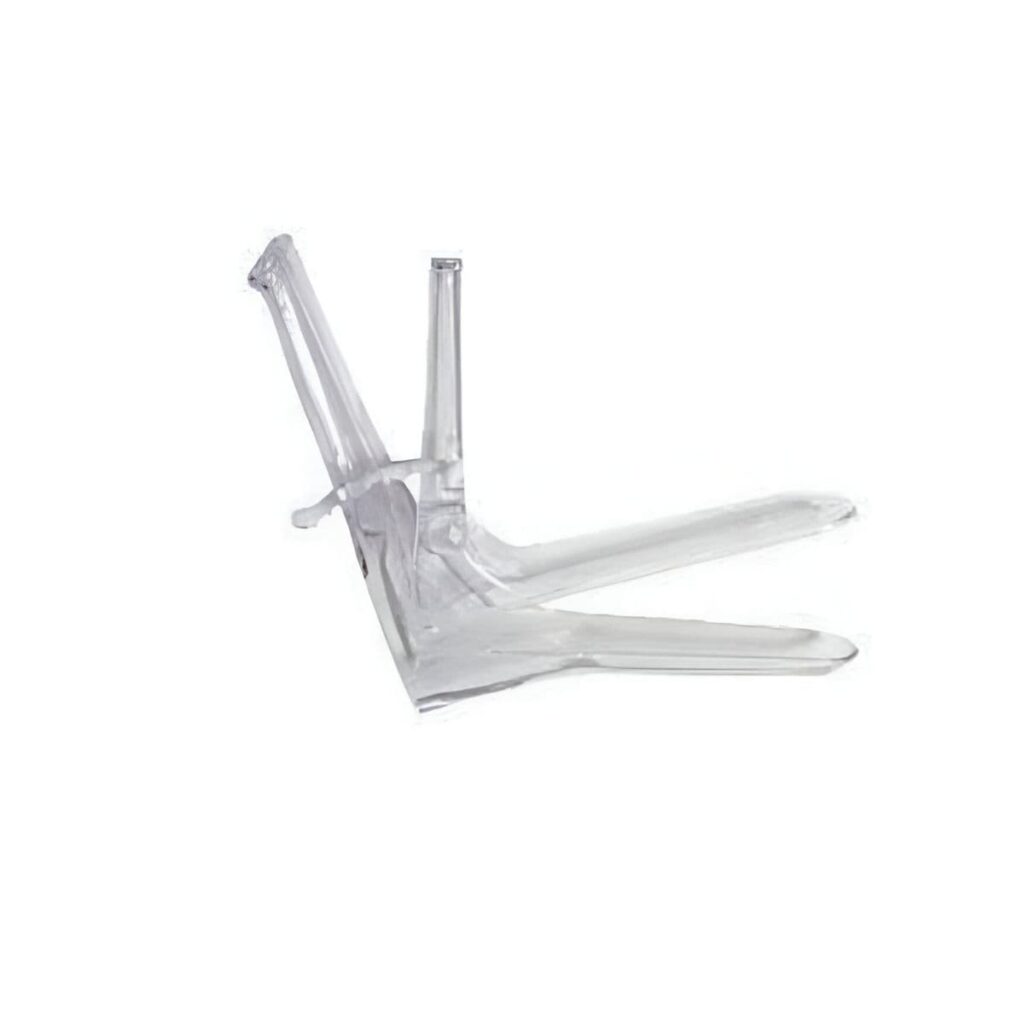
Sterile disposable vaginal speculum with zip T/M (medium size) – Transparent plastic latex-free, blade 26 × 100 mm – Box of 100 units – Ref. 0000010
29,50 € In stockAdd to basket -
Sterile disposable vaginal speculum with ratchet T/P (small/virginal size) – Crystal polystyrene, latex-free – Box of 100 units – Ref. 0000011
29,50 € In stockAdd to basket -
Sale!
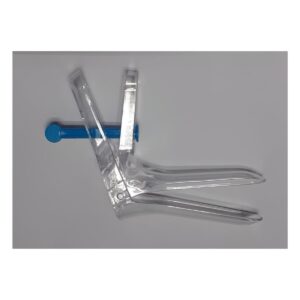
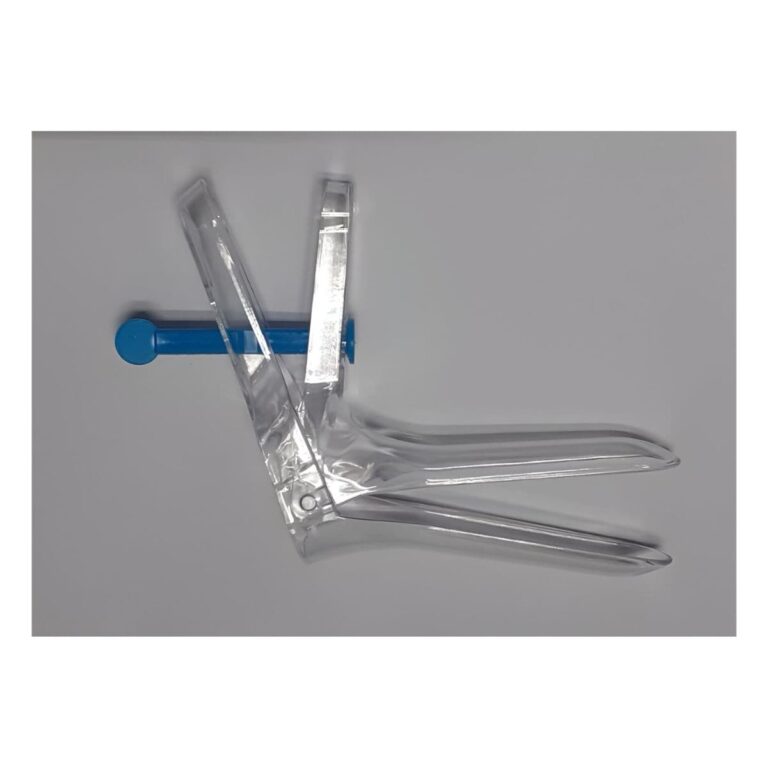
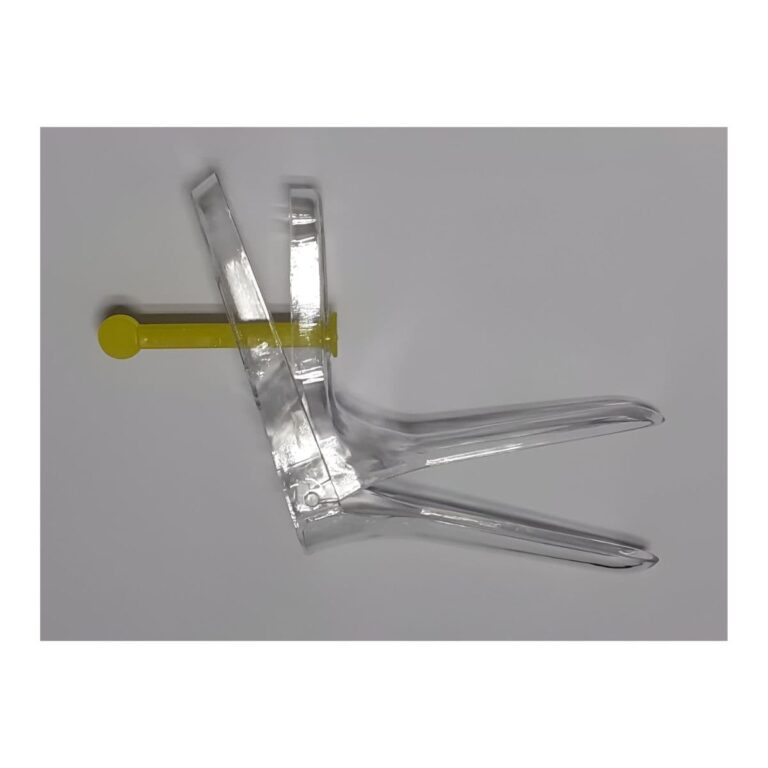
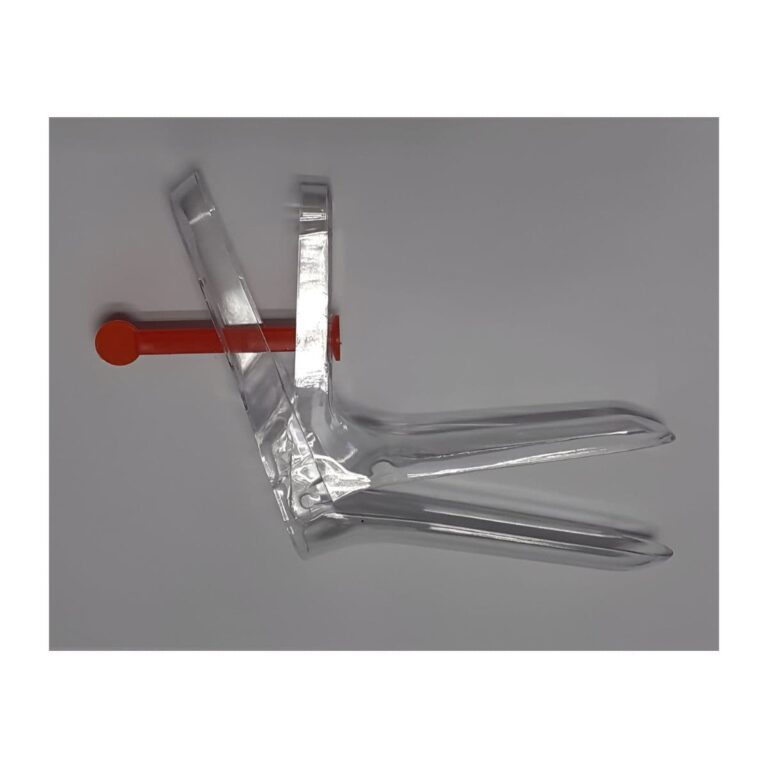
Sterile disposable vaginal speculum, stick type with screw – Size M (medium) – Crystal polystyrene, latex-free – Box of 100 units – Ref. 0186001
Original price was: 30,00 €.24,50 €Current price is: 24,50 €. In stockAdd to basket -
Sale!
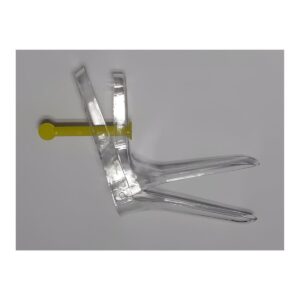
Sterile disposable Cusco-type vaginal speculum with stick screw – Size P (small/virginal) – Crystal polystyrene, latex-free and DEHP-free – Box of 100 units – Ref. 0186002
Original price was: 30,00 €.24,50 €Current price is: 24,50 €. In stockAdd to basket -
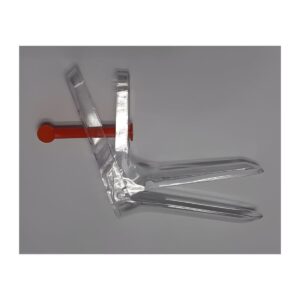
Sterile disposable stick-type vaginal speculum with screw – Size L (large) – Box of 100 units – Ref. 0186012
Out of stockRequest a quote -
Sterile disposable vaginal speculum with zip T/G (large size) – Transparent crystal polystyrene, latex-free, blade 30 × 118 mm – Box of 100 units – Ref. 0000047
29,50 € In stockAdd to basket -
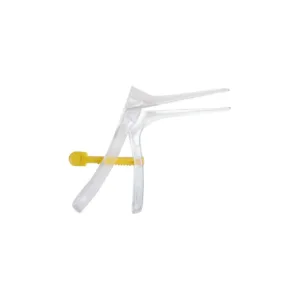
EasySpec® XSmall non-sterile disposable vaginal speculum – Size XS, low friction and latex-free (Box of 150 units, ref. 1211-G)
175,00 € In stockAdd to basket -
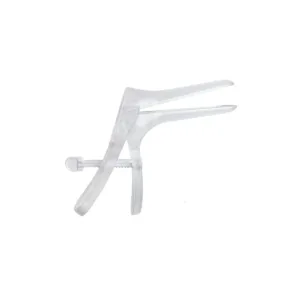
Disposable vaginal speculum EasySpec® Small non-sterile – Small size, low friction and latex-free (Box of 150 units, ref. 1221-G)
145,00 € In stockAdd to basket
Buying and selection tips
-
Disposable or reusable: start with the reprocessing pathway
The disposable speculum is single-use and comes in an individual pouch, in ratchet and screw formats. The reusable one requires reprocessing between patients in accordance with the manufacturer's instructions, with the time and cost that involves. If the facility cannot take on that pathway, the disposable simplifies restocking and storage.
-
Ratchet: gradual opening
Ratchet models open gradually and in several positions, and the opening is held in place by a device in the handle area. It is the most direct option when you want to adjust the opening little by little. Check the finish of the edges in the model description.
-
Screw: locking the blades
In screw specula, turning the screw locks the blades. Some models declare quick locking and an anti-burr surface treatment. This is useful when immediate locking is preferred over progressive adjustment.
-
Material and transparency
Some disposable specula are made of crystal polystyrene, a transparent material that improves visibility during the examination. Check the material in the description of each model and whether it is declared latex-free.
-
Sterility and packaging: the details the specification fixes
This category includes sterile and non-sterile disposable specula, as well as reusable stainless steel models. Confirm which each department needs. Also check the box format and that the labelling allows you to identify the batch, expiry date, description, number of pieces and manufacturer.
Frequently asked questions
How do I decide between a ratchet speculum and a screw one for the consulting room?
It depends on how you want to hold the opening. The screw model locks the blades by turning the screw, whereas the ratchet model opens gradually and holds the opening in place with a device in the handle area. If the team wants direct locking, choose the screw; if they prefer progressive adjustment, the ratchet.
What labelling details should I require to monitor batch expiry?
The labelling should allow you to check the batch, production date and expiry date, together with the description and the number of pieces, so that you can reject batches with little remaining shelf life.
How do I check that the speculum is latex-free before buying?
Check that the product is declared latex-free in its description and on the labelling, and record this in writing in the specification so that you do not depend on the supplier's interpretation.
What should I check about the packaging before placing the order?
Review the dispensing unit and the box format of each model, and the space available in your store. This affects how often you need to restock.
Common questions
Thinking that the large size suits every patient
This is not the case. There are several sizes, from extra small to large, and a virginal size in the metal model. Choose according to the patients your department sees and consider keeping several sizes available.
Confusing transparency with sterility
They are two independent attributes. Transparency comes from the material, crystal polystyrene, and improves visibility during the examination; sterility is a condition of the product, which is supplied sterile in an individual pouch and classified as Class I sterile. A transparent speculum is not sterile simply because it is transparent.
Supposing that all disposables open and lock in the same way
The mechanism changes how they are handled. There are ratchet models, which hold the opening in several positions, and screw or pin models, with a different locking logic. Checking which one you are buying avoids returns.
More products in this guide
-
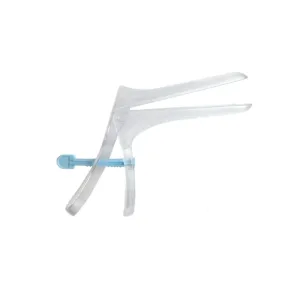
Disposable vaginal speculum EasySpec® Medium – Size M, non-sterile, low friction and latex-free (Box of 150 units, ref. 1231-G)
145,00 € In stockAdd to basket -
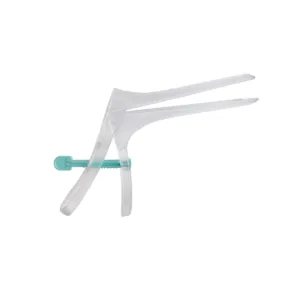
Disposable vaginal speculum EasySpec® Large non-sterile – Large size, low friction and latex-free (Box of 150 units, ref. 1241-G)
145,00 € In stockAdd to basket -
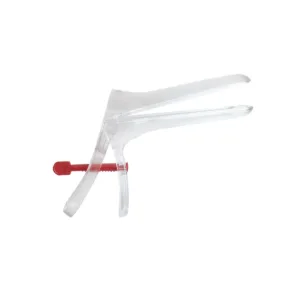
Disposable vaginal speculum EasySpec® XLarge non-sterile – Box of 150 units, wide opening and latex-free
175,00 € In stockAdd to basket -
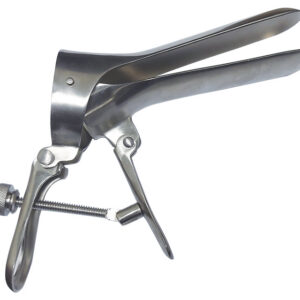
Cusco Vaginal Speculum Stainless Steel – Small Size 75 x 32 mm (Ref. 29770)
10,45 € In stockAdd to basket -
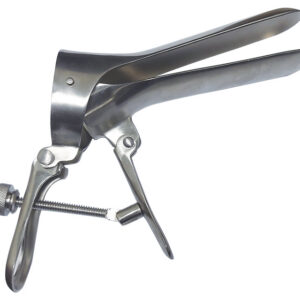
Stainless Steel Cusco Vaginal Speculum – Large Size 100 x 37 mm (Ref. 29772)
10,45 € In stockAdd to basket -

Disposable sterile vaginal speculum, PERNO type, with central bolt – Small size Ø 20 mm – Box of 120 units – Ref. 29946 (SKU GM29946-F)
Price range: 58,90 € through 65,55 € In stockSelect options This product has multiple variants. The options may be chosen on the product page -
Sterile disposable vaginal speculum with lateral screw (side screw) – Small size Ø 20 mm – Ref. 29983 – Box of 100 units
52,25 € In stockAdd to basket -
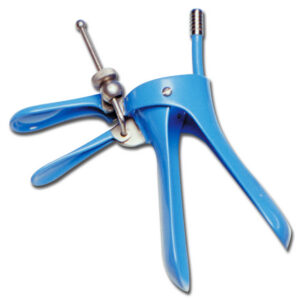
Cusco Vaginal Speculum in Stainless Steel, Insulated for High Frequency (HF), Size Mediana, with Suction Connection (Ref. 29763)
44,65 € In stockAdd to basket