
Syringes by capacity in cc: buying guide
4 products in the catalogue
The cc syringe is a graduated syringe whose capacity is expressed in cubic centimetres, the same quantity as the millilitre. The capacity figure is the first detail to settle in an order: 2.5, 5, 10 or 20 cc for the disposable ones and 50, 100, 150 or 200 cc for the ear syringes. The cc and ml designations coexist, so it is worth always writing the figure together with the unit.
This guide brings together two constructions that do not replace each other. Brass ear syringes are reusable instruments for ENT irrigation. Sterile disposable syringes are supplied sterile and for single use, and buying them depends on the department's real turnover. Before comparing references, it is worth deciding the exact capacity, whether the item must be sterile and single-use or brass, and the order volume.
Other related families
Products in this guide
- 50 ml 1
- 100 ml 1
- 150 ml 1
- 200 ml 1
-
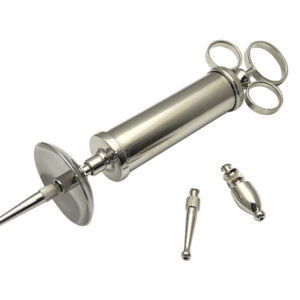
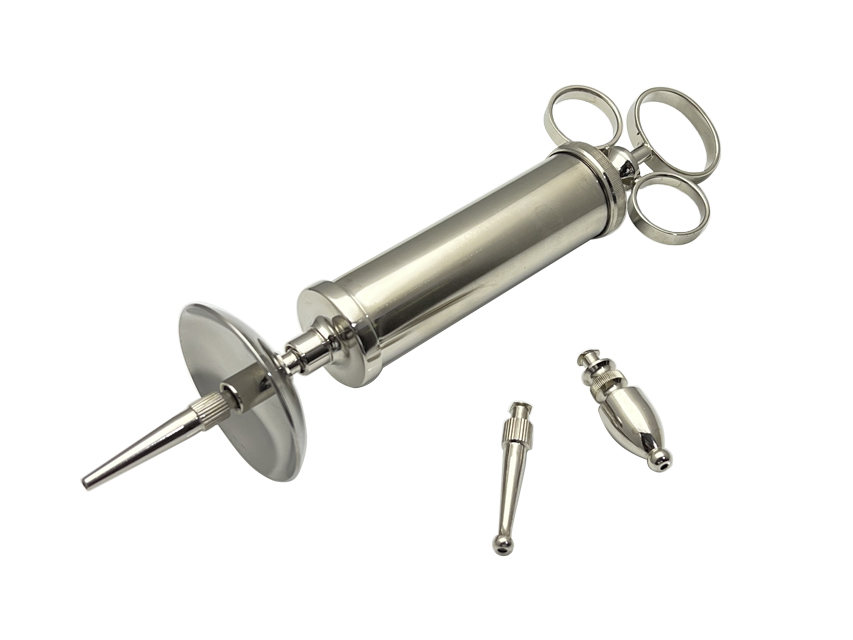
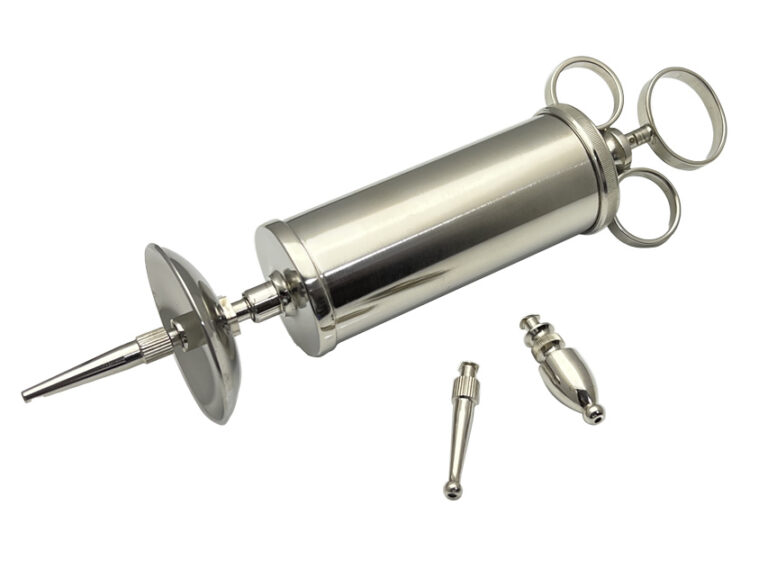
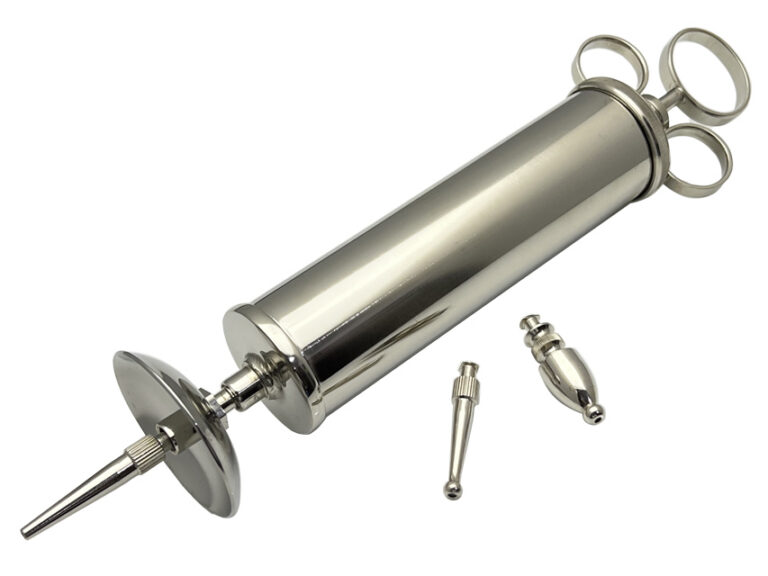
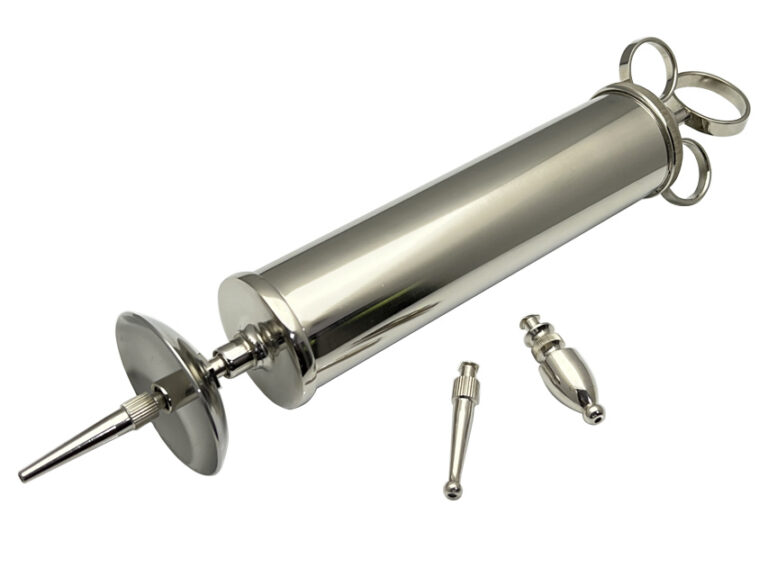
Schimmelbusch 50 cc brass ear syringe (Ref. 25835) for ENT irrigation
118,75 € In stockAdd to basket -
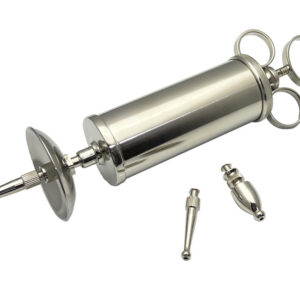
Schimmelbusch 100 cc brass ear syringe (Ref. 25836) for ENT irrigation
128,25 € In stockAdd to basket -
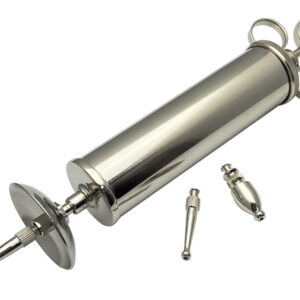
Schimmelbusch ear syringe 150 cc brass (Ref. 25837) for ENT irrigation
152,00 € In stockAdd to basket -
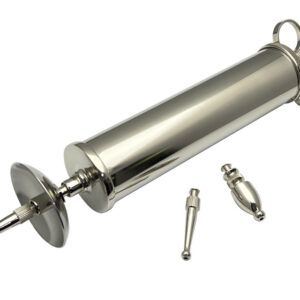
Schimmelbusch ear syringe 200 cc in brass (Ref. 25838) for ENT irrigation
175,75 € In stockAdd to basket
Buying and selection tips
-
Nominal capacity and graduated capacity
It is worth checking both the nominal volume and the one read on the scale. If the order is for 10 cc, verify that the reference corresponds exactly to that figure and not to the next size up.
-
Stated sterility and individual packaging
For sterile single-use syringes, sterility and individual packaging are purchasing requirements, not details of presentation. Ask for the sterility declaration in the technical information for the syringe you intend to standardise on.
-
Plunger seal and latex-free status
If the department treats people who are sensitive to latex, the absence of latex must appear in the technical information for the reference and not remain a commercial claim.
-
Centred or eccentric tip, and locking
The syringe tip may be centred or eccentric, and there are versions with a Luer lock. Choose according to the system the syringe will be connected to and not out of stores habit.
-
The connector rules in irrigation
When the syringe is connected to a catheter, the connector is the criterion that decides the purchase. Confirm the catheter connector before changing reference: a Luer slip tip does not replace a straight catheter connector.
Compatibility
- Catheter with straight connector
- Before replacing one syringe with another, check that the catheter connector matches that of the syringe.
Frequently asked questions
What capacity of ear syringe should I order for ENT irrigation?
It depends on the volume you want to handle in each irrigation: the references range from 50 to 200 cc, in steps of 50 cc. Before settling on one, check the connector of the equipment to which the syringe is attached.
Is the sterile disposable 10 cc syringe supplied with a needle?
Do not assume that it is: check in the reference whether it includes a needle and, if so, the gauge and length. The order must state what is wanted.
Can I connect a Luer slip syringe to an irrigation catheter?
Only if the assembly allows it. If the syringe has only a Luer slip tip and the catheter expects a straight connector, the substitution is not valid unless an adapter is available.
How do I check that the sterile syringe arrives in individual packaging?
Ask for the sterility declaration and the type of packaging. This information must appear in the technical information for the product and not only on the outer packaging.
What is the difference between a two-part and a three-part syringe when buying?
The three-part syringe has a rubber seal on the plunger and the two-part does not. The choice affects how smoothly the plunger moves and the declaration of the seal materials.
Common questions
Ordering 10 cc and treating a 10 ml syringe as something else
It is the same capacity: products state the volume in ml and in cc at the same time. The error lies in comparing different figures or confusing the nominal volume with the graduated one.
Reusing a sterile disposable syringe because the packaging is intact
Disposable syringes are single-use. Each application requires a new unit.
Assuming that any large-volume syringe is suitable for irrigation
Size does not solve the connection. The connector must correspond to that of the catheter or the equipment; a large syringe with a different type of tip will not fit.
Forgetting the dead space volume at small volumes
At very small volumes, the residue left in the syringe matters. It is worth reviewing the technical information when the syringe is used for measuring.