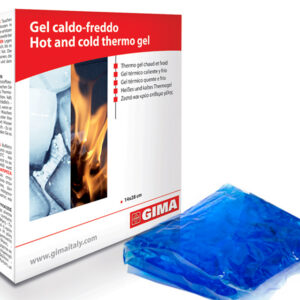
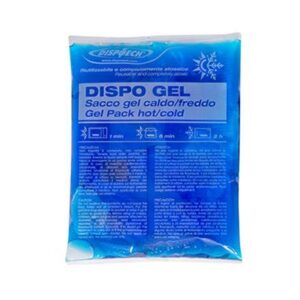
Reusable hot and cold packs: buying guide
10 products in the catalogue
A reusable pack is a gel bag that is cooled or heated before being applied to an area of the body and that is used again once it has returned to temperature. It forms part of the equipment in physiotherapy, sports medicine, muscle recovery and first-aid kits, and is bought by size, by cover material and by supply format.
The references available range from small formats, such as 11 x 14 cm, to large-surface pads, such as 30 x 40 cm, with narrow, elongated models of 7.5 x 35 cm and 7.5 x 52 cm. The cover is described as polyethylene or as a combination of polyamide and polyethylene, and the gel is blue in several references. This guide sets out those criteria so you can decide before closing the order.
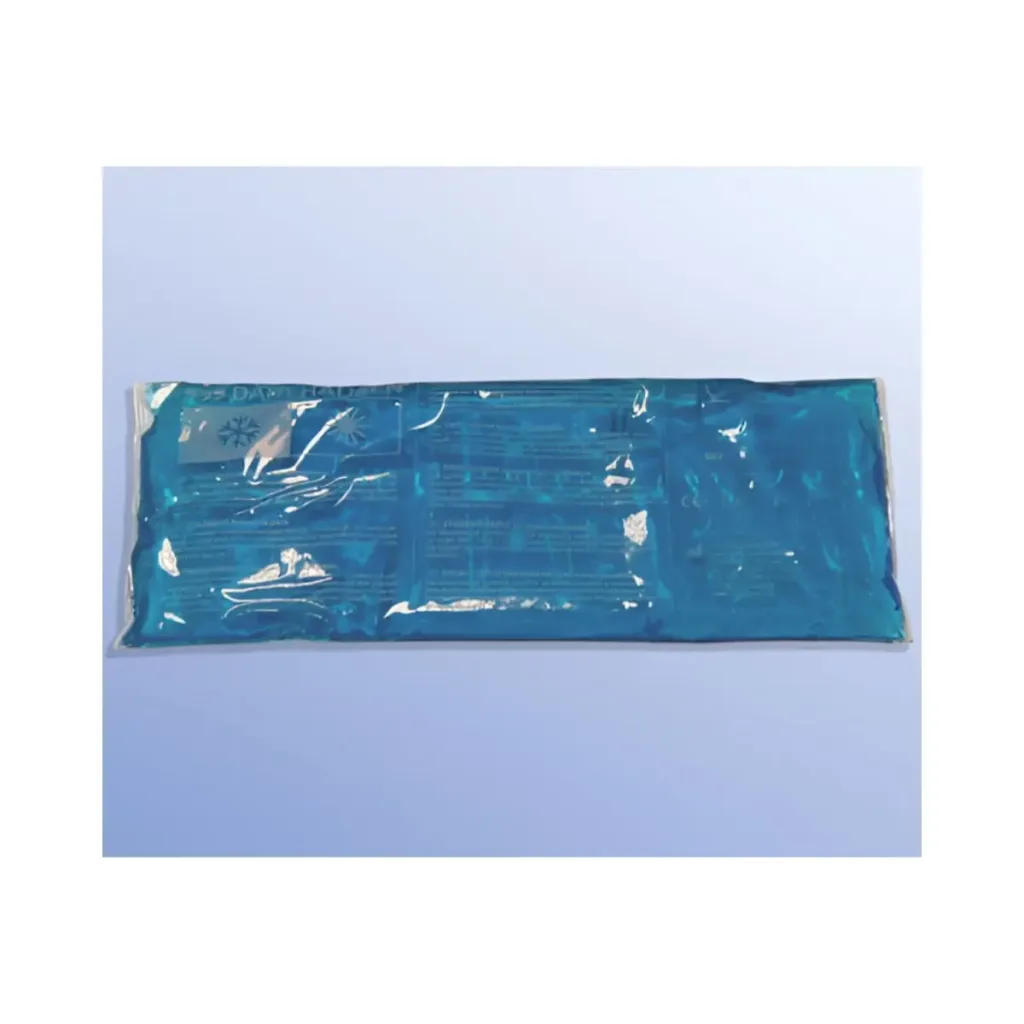
Other related families
Products in this guide
- Nylon / polyamide 2
- Polyethylene 2
- Box OF 25 2
- Box OF 10 1
- Box OF 30 1
-
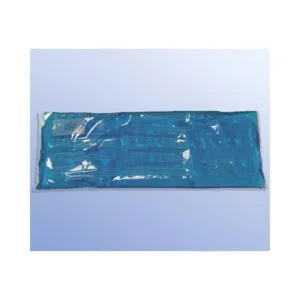
Hot-Cold Pack Economy Pack Blue Gel 11 x 14 cm – Reusable Thermal Compress PE/PE for Physiotherapy and Muscle Recovery (Ref. 93.000.00.240)
1,05 € In stockAdd to basket -
Cold/Hot Pack Economy Pack Blue Gel 12 x 29 cm – Reusable Thermal Compress PE/PE for Physiotherapy and Muscle Recovery (Ref. 93.000.00.241)
1,45 € In stockAdd to basket -
Economy Pack cold-heat pack blue gel 20 x 34 cm – Reusable PA/PE thermal compress, flexible below zero, for physiotherapy, sports medicine and recovery (Ref. 93.000.00.243)
3,50 € In stockAdd to basket -
Blue Gel Economy Pack Hot/Cold Bag 30 x 40 cm – Reusable Thermal Compress PA/PE for Physiotherapy
5,23 € In stockAdd to basket -
Blue Gel Cold-Heat Bag Economy Pack 7.5 x 35 cm – Reusable Thermal Compress PE/PE for Cryotherapy, Thermotherapy and Physiotherapy Recovery (Ref. 93.000.00.245)
2,00 € In stockAdd to basket -
Cold-Heat Bag Economy Pack Blue Gel 7.5 x 52 cm – Reusable Thermal Compress PE/PE, Flexible Below Zero, for Physiotherapy and Muscle Recovery (Ref. 93.000.00.246)
2,43 € In stockAdd to basket -
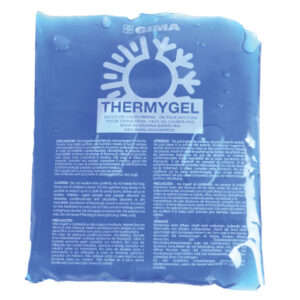
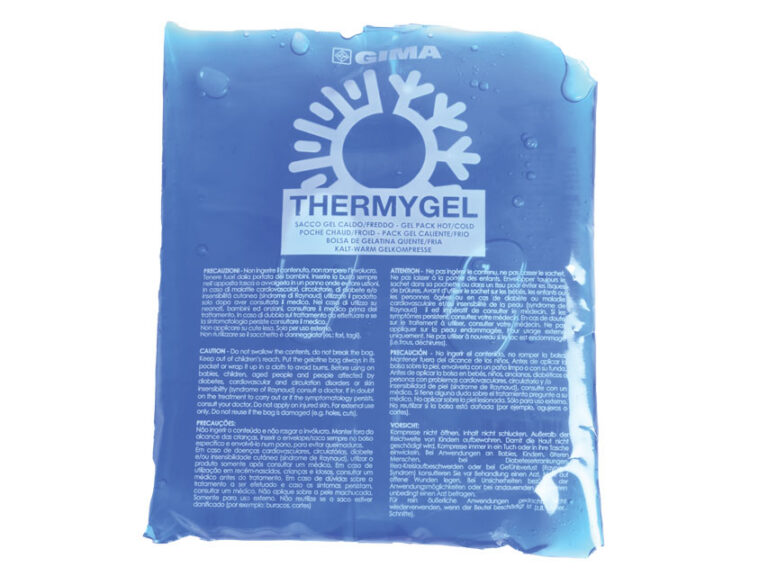
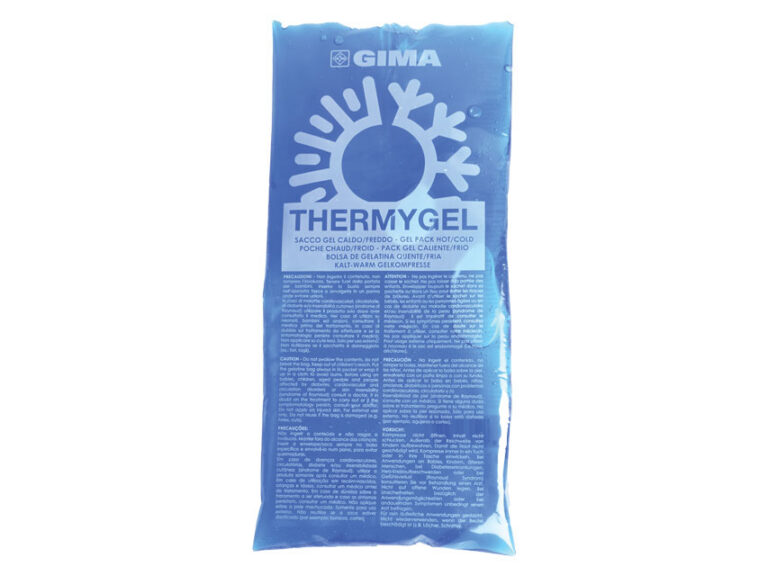
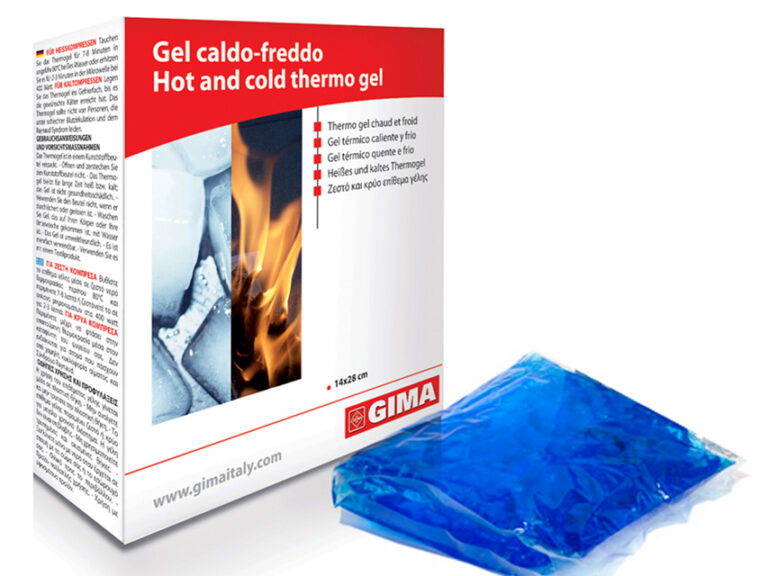
Reusable hot-cold gel compress THERMY GEL 14×18 cm (Ref. 28593) · Box of 25 units
39,90 € In stockAdd to basket -
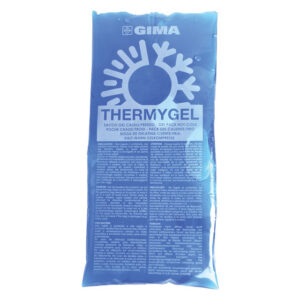
Reusable THERMY GEL hot-cold gel compress 11×26 cm (Ref. 28594) · Box of 25 units
45,60 € In stockAdd to basket
Buying and selection tips
-
Match the size to the area of application
The narrow, elongated formats, 7.5 x 35 cm and 7.5 x 52 cm, follow contours and limbs; the 20 x 34 cm and 30 x 40 cm pads cover large areas. A pack that is too large for the area has to be folded and reduces contact.
-
Compare the cover material
The cover is described as polyethylene or as polyamide with polyethylene, and some references are presented as flexible even at low temperatures. If intensive use is expected, compare this detail between references before fixing quantities.
-
Confirm that the reference is suitable for both cold and heat
The gel packs in this guide are presented as hot and cold packs, but it is worth checking this on each reference before scheduling their use in the department. This avoids buying a pack for a use that it does not declare.
-
Decide on the supply format
There are single-unit references and others in boxes of 25 or 30 units. The format affects storage and restocking; choose it according to the real turnover of the department.
Frequently asked questions
Which size is most manageable for arms and legs?
The formats 7.5 cm wide, with 35 or 52 cm in length, adapt better to limbs and contours. The 30 x 40 cm pads are reserved for large areas where they do not need to be folded.
How do I know whether a pack can be used for both cold and heat?
The reference must state it in its description, as is the case with the hot and cold gel packs in this guide. If it does not state it, do not assume it allows both uses.
Is it worth combining large and small formats in the stock?
Yes, because a large pad cannot fit a wrist or an ankle without being folded. Combining a narrow format with a wide one covers more areas with fewer unused units.
What is the difference between a polyethylene cover and a polyamide and polyethylene one?
They are different materials and each reference declares its own. Some polyamide and polyethylene ones are described as flexible below freezing, so compare this detail if the pack is going to go in the freezer.
Common questions
Believing that a large pack works equally well on any area
A large-surface pad does not fit a small area without being folded, and folding reduces contact. It is worth combining a large format with a narrow one.
Supposing that all covers are the same
The cover may be polyethylene or polyamide with polyethylene, and this changes its flexibility. Check the material declared on each reference.