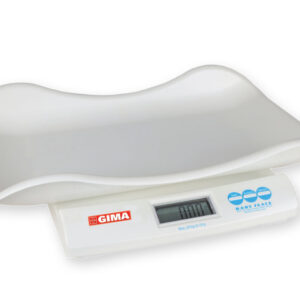
Paediatric scales: buying guide
9 products in the catalogue
Paediatric scales are a weighing instrument for babies and small children, bought for clinics, hospitals and care centres. The selection includes digital and mechanical dial scales, with capacities of 15, 16 and 20 kg, and some foldable or multifunction models for babies and children.
This guide focuses on buying criteria that can be checked in the description of each device: type (digital or mechanical), maximum capacity, class III verification where stated, tare function, format and size. Fix these data points before comparing quotes and ask in writing for any technical information that does not appear in the description.
Other related families
Products in this guide
- Batteries 5
- Rechargeable battery 3
- ABS 2
- Stainless steel 1
- Medical device 4
- Non-medical 4
- Italy 2
- Germany 1
-
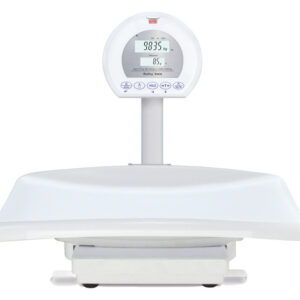
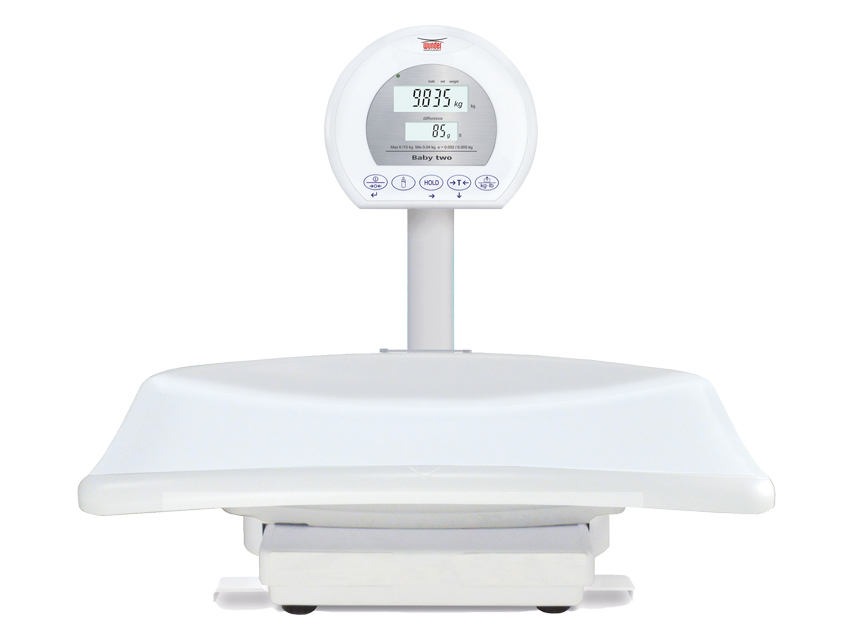
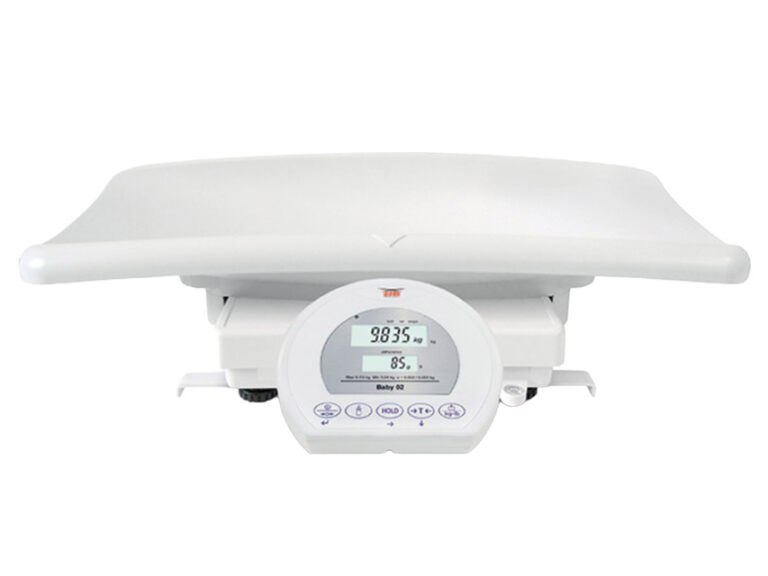
Professional electronic paediatric scale WUNDER BABY 02-1 – Baby scale 6-15 kg (2/5 g) – Class III
560,50 € In stockAdd to basket -
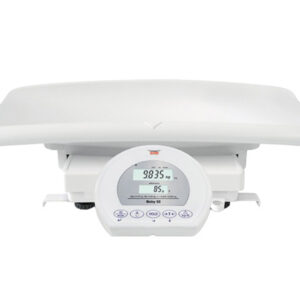
Professional electronic paediatric scale WUNDER BABY 02-2 – Compact baby scale 10-20 kg (5/10 g) – Class III
560,50 € On orderAdd to basket -
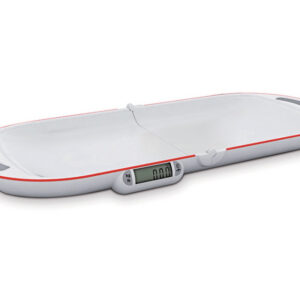
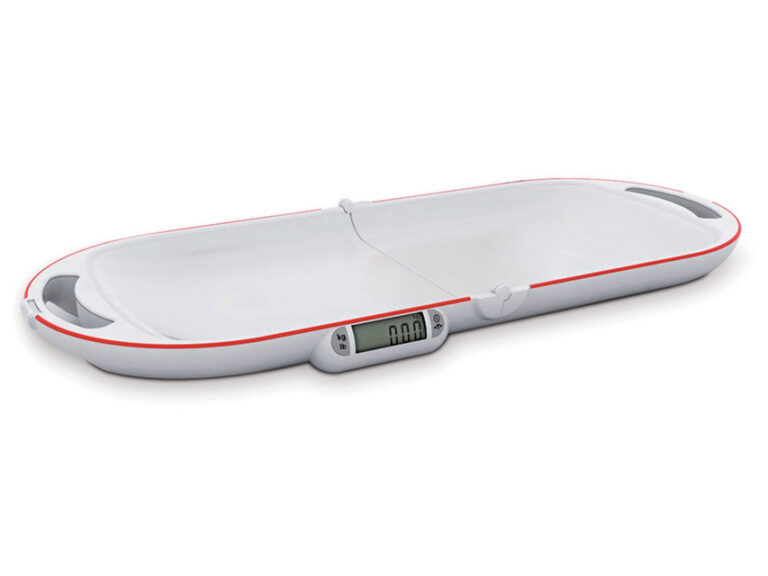
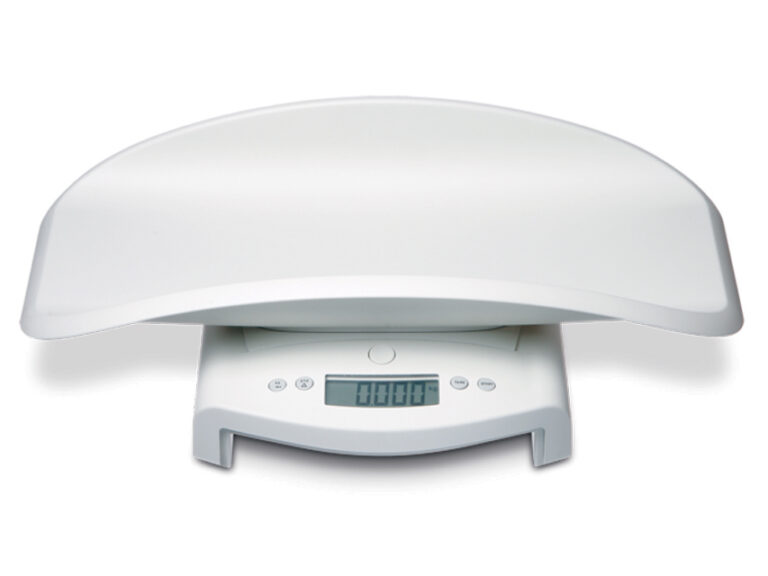
SOEHNLE 8320 Folding Digital Paediatric Scale for Babies and Neonates – 15 kg (Ref. 27266)
208,05 € In stockAdd to basket -
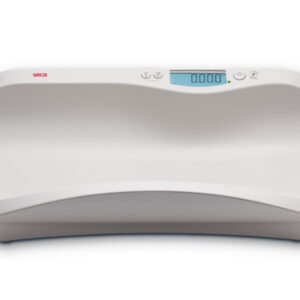
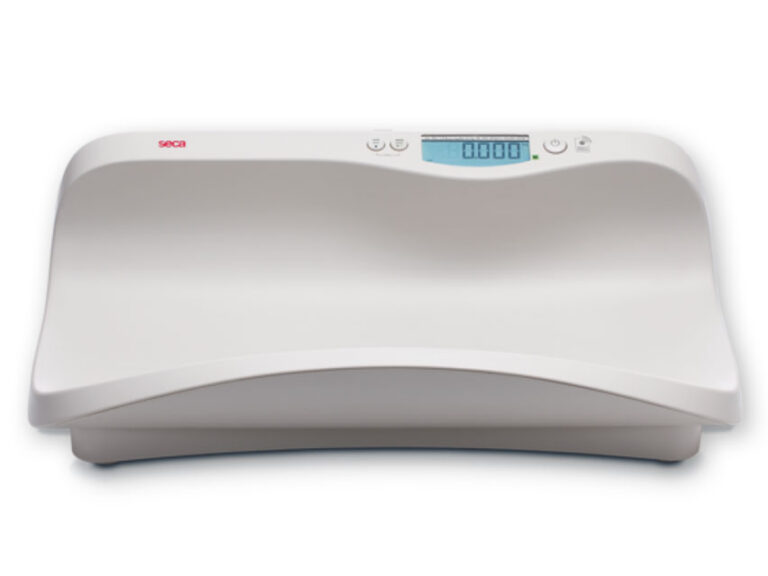
SECA 376 Hospital Digital Paediatric Scale – 20 kg – Class III
1.824,00 € On orderAdd to basket -
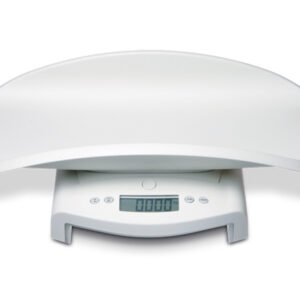
SECA 354 Digital Paediatric Scale – Baby Scale 20 kg with Breastfeeding Control Function (Ref. 27282)
277,40 € In stockAdd to basket -
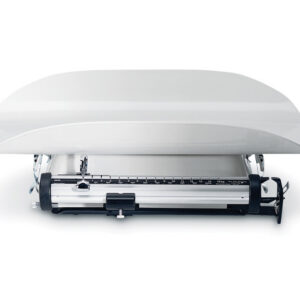
SECA 745 Mechanical Paediatric Scale – Baby Scale Class III, 16 kg, Sensitivity 10 g
665,00 € In stockAdd to basket -
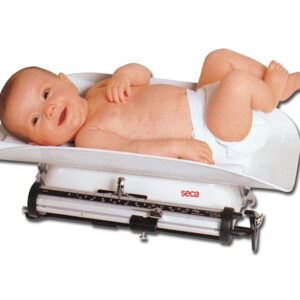
Mechanical Paediatric Scale SECA 725 – Baby Weighing, 16 kg, 5 g Sensitivity
551,00 € In stockAdd to basket -
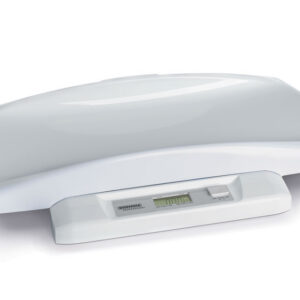
Digital Paediatric Scale SOEHNLE 8352 MULTINA for Babies and Children – Up to 20 kg (Ref. 27306)
265,05 € In stockAdd to basket
Buying and selection tips
-
Digital or mechanical
There are digital and mechanical dial scales. Digital ones offer a numerical reading and mechanical ones do not depend on a power supply; decide the type according to the department's use before comparing.
-
Class III verification: when it is a requirement
Some models declare class III and others do not declare verification. If the tender specification requires a verified instrument, require it in writing and check that it appears in the model's description.
-
Maximum capacity
These products have stated capacities of 15, 16 and 20 kg. Check that the capacity covers the department's range of use and that the stated reading division is suitable.
-
Tare function, format and dimensions
Some models include a tare function. Also check the dimensions and whether the device is foldable, especially if it is moved between consulting rooms.
-
Power supply and data transmission
Check whether the device runs on batteries, on a power adapter or both, and whether it declares transmission of results. Ask for these details in writing before awarding.
Compatibility
- Printer or software
- If results need to leave the device, check in the description whether the model declares data transmission and what equipment it can be combined with.
Frequently asked questions
How do I choose between digital and mechanical paediatric scales?
According to use: the digital one offers a numerical reading and the mechanical dial one needs no electric power. Fix the type before comparing capacities.
What maximum capacity should I order for paediatric scales?
The references in the selection state 15, 16 and 20 kg. Choose according to the department's weight range and check the stated reading division.
What does it mean for the scales to declare class III when ordering?
That it declares a metrological verification. Not all models declare it; if the specification requires it, confirm that it appears in the description.
Can the weight be sent to a printer or a computer?
Only if the model declares data transmission. Check in the description what equipment it can be combined with.
What is the difference between foldable and fixed paediatric scales?
The format affects transport between consulting rooms and the space required. Check the stated dimensions of each model before deciding.
Common questions
Confusing class III verification with the product's medical device classification
They are two different data points and one does not replace the other. Read each separately in the description.
Believing that the device's tare and the tare function are the same thing
The device's tare is its empty weight and the tare function subtracts a weight from the total. They are different quantities.
Assuming that the mains adapter comes in the box
It depends on the model. Check the stated contents of the chosen device.