
Immobilisers: buying guide
5 products in the catalogue
An immobiliser is a medical device that restricts the movement of a part of the body during transport and handling. The products in this guide are head and spinal immobilisers, in adult and paediatric versions, used in urgent care and emergencies.
The selection criteria are material, size, radiolucency, the fastening system and ease of cleaning. This guide brings together practical criteria for deciding the purchase: what to check about the material, how to settle adult or paediatric size, which supports the device must fit, and what maintenance it requires according to the manufacturer.
Other related families
Products in this guide
- Plastic 2
- Polyethylene 1
- Polyurethane 1
- PVC 1
- Adult 2
- Paediatric 1
-
Paediatric head immobiliser – FERMACAPO black, radiotransparent polyethylene (Ref. 34024)
143,45 € In stockAdd to basket -
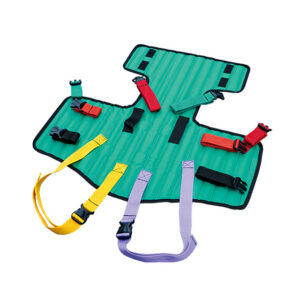
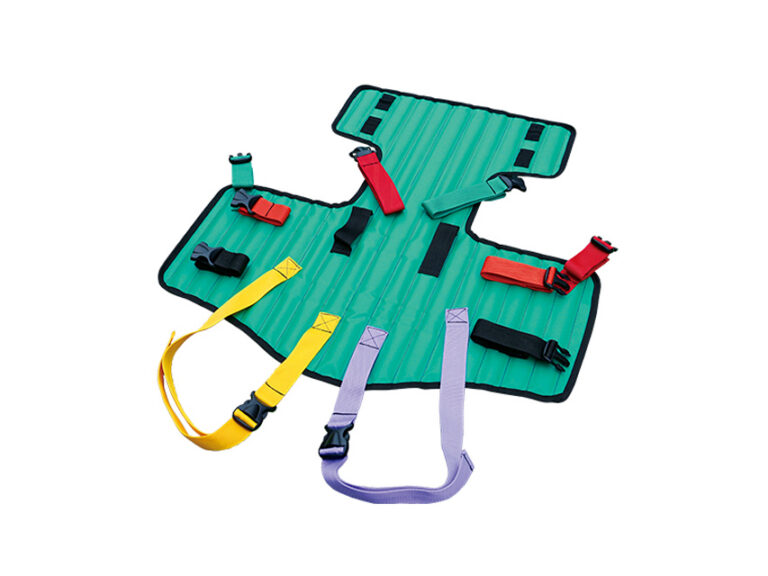
Spinal immobiliser (SPINAL IMMOBILIZER) – Adult size M 150-175 cm | Ref. GM34032 | Max. load 175 kg | Class I medical device
Price range: 152,00 € through 209,00 € In stockSelect options This product has multiple variants. The options may be chosen on the product page -
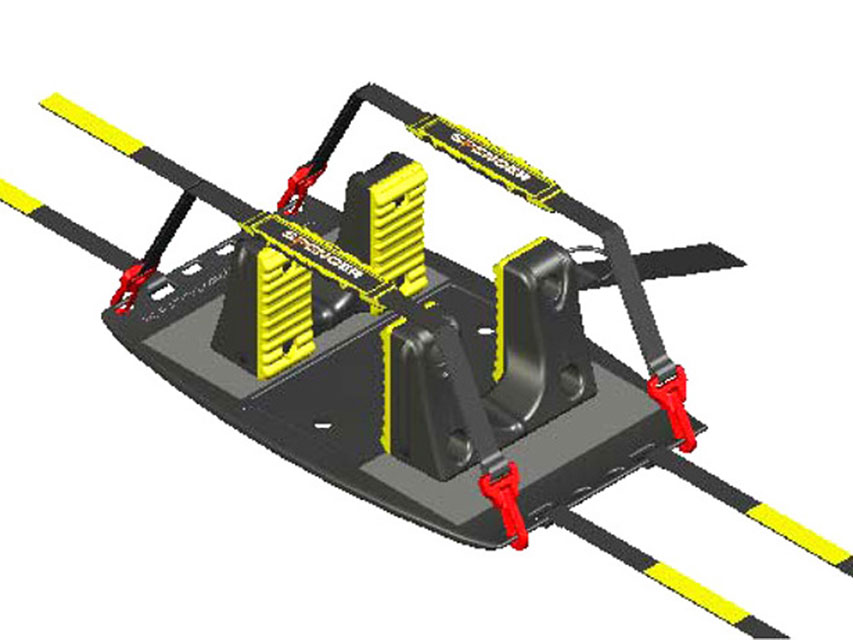
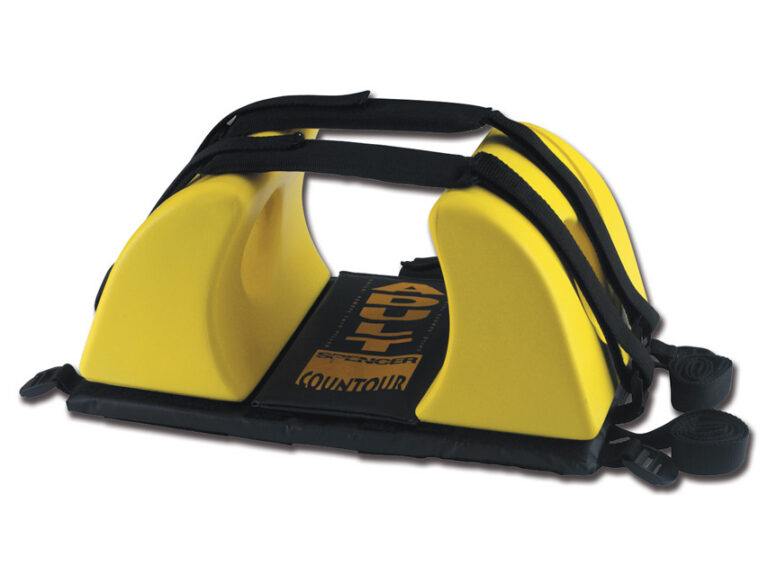
CONTOUR head immobiliser – FERMACAPO adult black/yellow in radiolucent polyurethane and PVC (Ref. 34079)
140,60 € In stockAdd to basket -
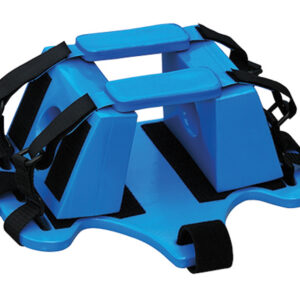
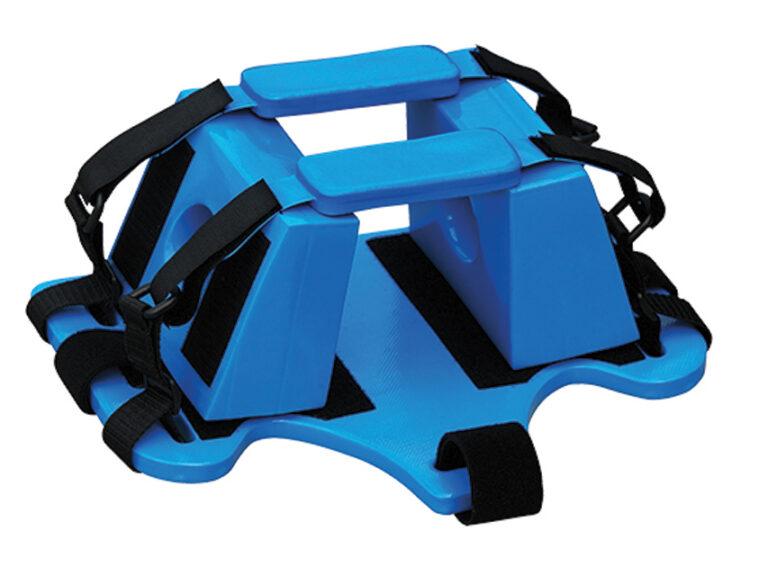
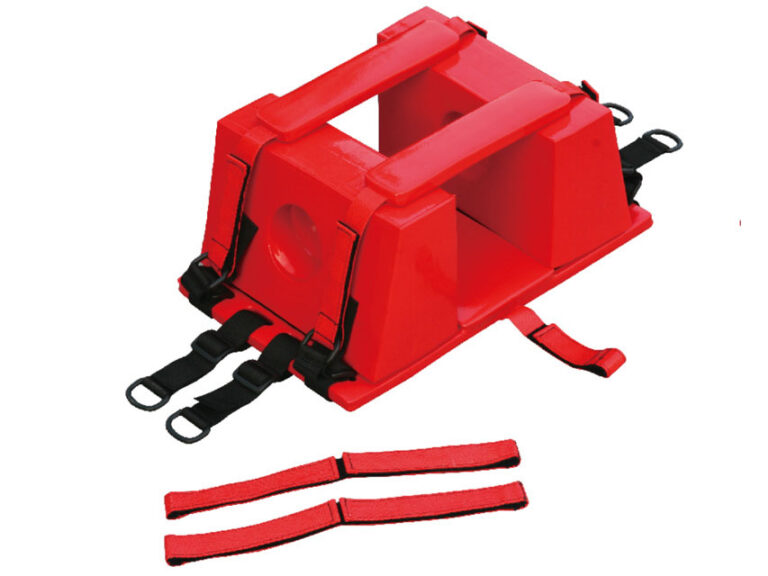
Paediatric head immobiliser FERMO 3 – Blue | High-density impermeable plastic | Open measurements 26 x 34 x 14 cm | Ref. 34108 (SKU GM34108)
90,25 € In stockAdd to basket -
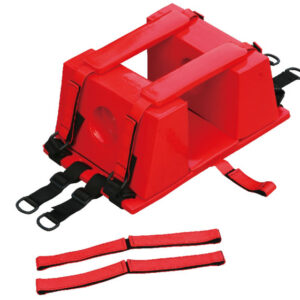
Adult head immobiliser FERMO 3 – Red | Impermeable high-density plastic | Ref. 34109 (SKU GM34109)
90,25 € In stockAdd to basket
Buying and selection tips
-
Radiolucency and material
Some immobilisers are declared radiolucent and are made of polyethylene or other plastics. If the device is going to be used in a department with a heavy imaging workload, verify this detail in the description of the specific model before deciding to buy.
-
Adult or paediatric size
The products include adult and paediatric versions. Size affects the fit, so confirm in the description of each model which size or range it is designed for. If the model is not adjustable, the choice is between an adult and a paediatric version.
-
Fastening
Check the fastening system of each device: bands, straps or integrated pads. Check that the bands adjust and release quickly in accordance with the manufacturer's instructions.
-
Cleaning and maintenance
Follow the cleaning and disinfection instructions of the manufacturer of each model and carry out the periodic checks they specify. Choosing a material that is easy to clean simplifies replacement and maintenance.
-
Adaptability to the support
The head immobiliser must fit the spinal board or the stretcher you work with. Check the attachment system before purchase to avoid improvisation during the intervention.
Frequently asked questions
How do I check that the head immobiliser fits my spinal board?
Check the attachment straps and the anchor points of the support: some devices can be adapted to several supports and others fix to only one. Verifying that the anchor points match before purchase prevents the assembly from being loose.
How do I know whether the immobiliser is radiolucent?
It must be stated in the description of the specific model. Not all models are, so it is worth confirming before ordering if it will be used in a diagnostic imaging department.
What should I bear in mind when cleaning and reusing the immobiliser?
Always follow the cleaning and maintenance instructions of the model's manufacturer. Check before purchase that the material allows the cleaning procedure used in your centre.
Is it better to have a single reference for adult and paediatric patients or two separate models?
It depends on the device. The products include separate adult and paediatric versions. Check in the description the range of use of each model before deciding.
Common questions
Assuming that any immobiliser fits any stretcher
Adaptability to the support is not universal. Check whether the device is designed for a spinal board, a stretcher or both, and review the attachment system before deciding to buy.
Supposing that all models are radiolucent
Radiolucency must be verified case by case in the model description. If the device is going to stay in place during an imaging test, this detail is decisive.
Confusing the head immobiliser with the spinal one
They are different products: the head one locks the head onto the support to which it is anchored and the spinal one secures the trunk. Check which function each reference performs before ordering.