
First aid box: buying guide
13 products in the catalogue
A first aid box is the rigid container in which first aid and dressing material is stored, protected and organised. In a healthcare centre or a business, its purpose is to keep that material easy to find, clean and available at the moment it is needed.
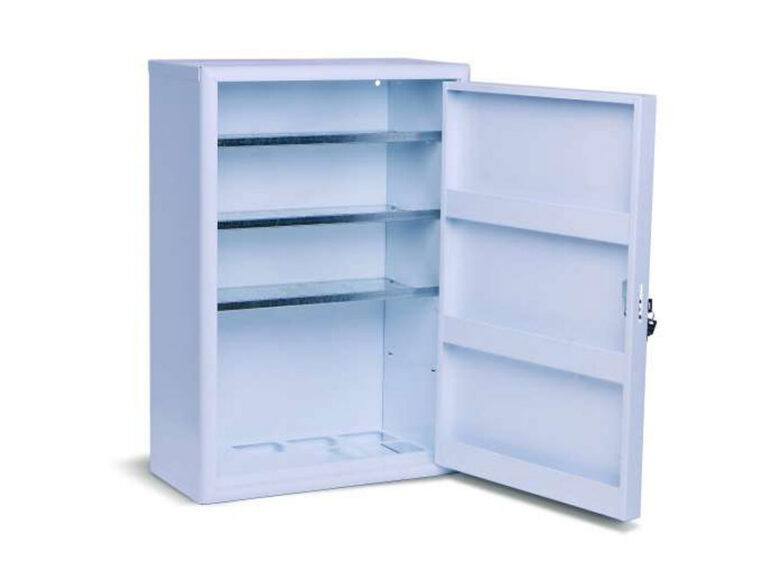
The products include metal wall-mounted first aid cabinets, first aid boxes and defibrillator cabinets. Most references are presented as an empty container, and some include supplies. Before deciding, establish where the box will be located (on a wall, indoors or outdoors), who will open it and how often, and what volume of material it must hold. This determines the size, the key lock, the internal shelves, the audible alarm or the temperature control in defibrillator cabinets.
Other related families
Products in this guide
- Stainless steel 6
- Polyester 4
- Wood 2
- Otros colores 7
- Marrón 1
- Non-medical 11
- Sanitary kit 1
-
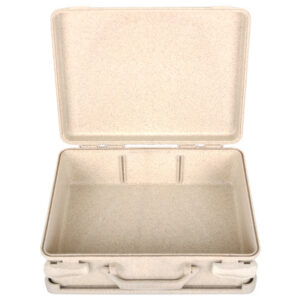
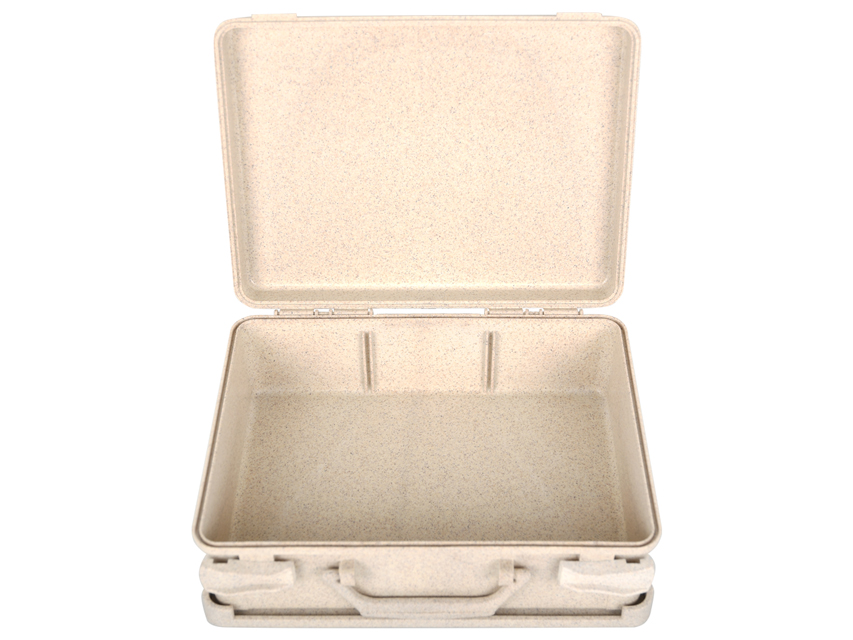
Eco-Friendly First Aid Box Futura Eco Case – Empty First Aid Box in Beige, 100% Recycled Material, 250 x 190 x 90 mm (Ref. 34132)
14,25 € On orderAdd to basket -
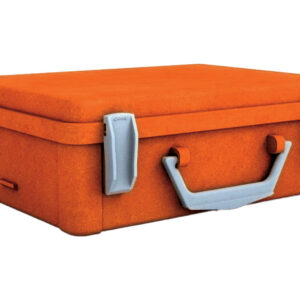
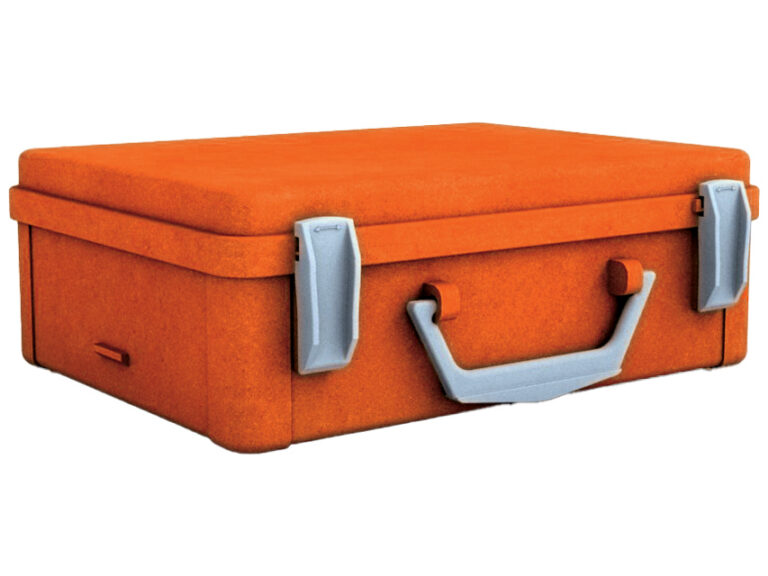
Eco-Friendly First Aid Kit Futura Eco Case – Empty Box for First Aid in Orange, 100% Recycled Material, 250 x 190 x 90 mm (Ref. 34133)
14,25 € On orderAdd to basket -
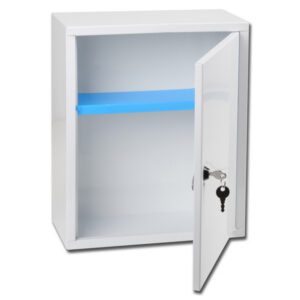
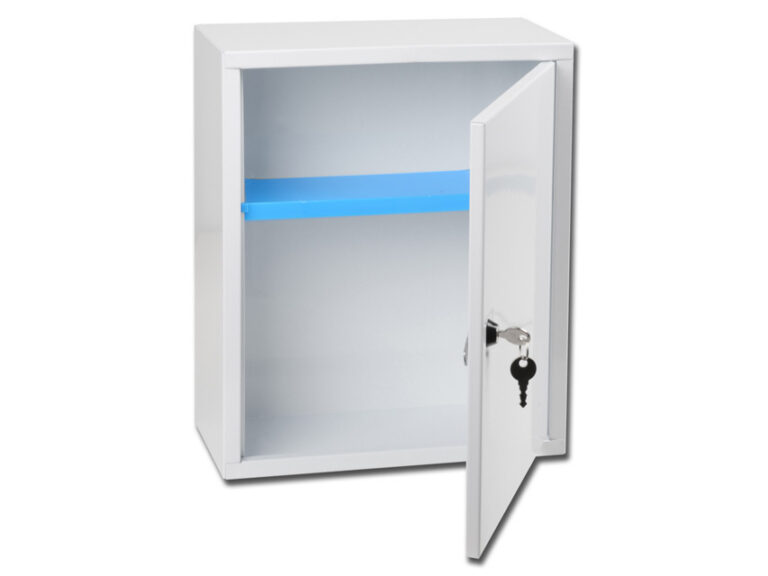
Empty Metal First Aid Cabinet 370 x 300 x 140 mm – Configurable Metal Box for First Aid and Emergencies (Ref. 34141)
37,05 € In stockAdd to basket -
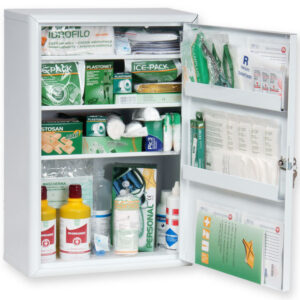
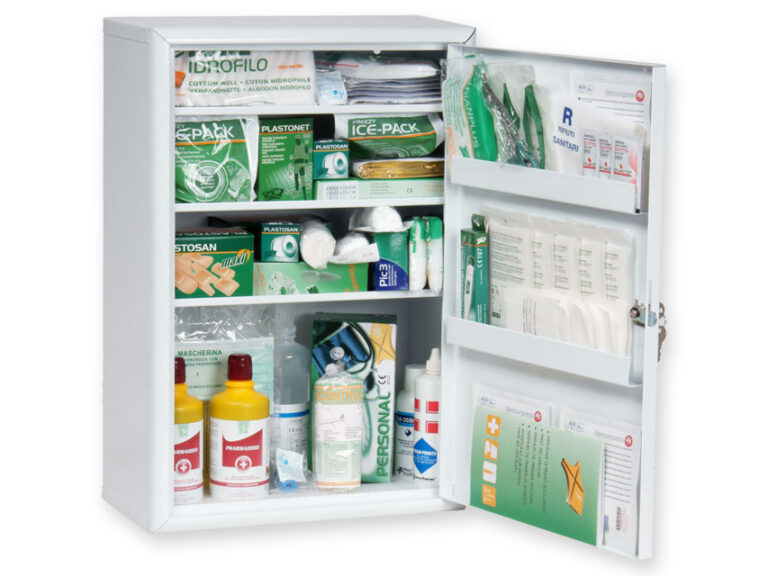
Metal First Aid Cabinet – Complete Wall-Mounted Cabinet with Key Lock, 402 x 582 x 202 mm (Ref. 34143)
203,30 € In stockAdd to basket -
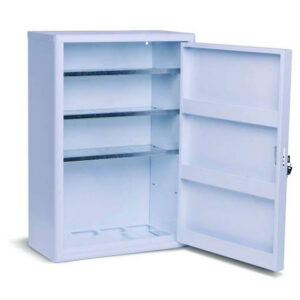
Empty Metal First Aid Cabinet – 3 Interior Shelves, Removable Bottle Holder and Lockable Closure (402 x 582 x 202 mm) · Ref. 34145
114,95 € In stockAdd to basket -
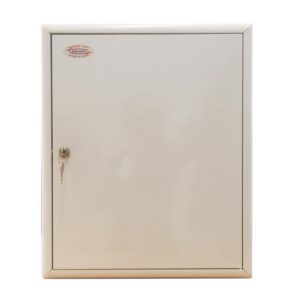
Empty Carbon Steel Metal Cabinet with Epoxy Paint for First Aid Kit and Ambulance (Ref. BRLCAV605 / CAV605), 402 x 202 x 483 mm
116,86 € In stockAdd to basket -
Metal Cabinet for AED/SAED Defibrillator – Indoor Use, White, Wall or Column Mounting | Ref. 35330 (SKU GM35330)
108,30 € In stockAdd to basket -
Metal cabinet for defibrillator (AED) with 100 dB acoustic alarm – Indoor use, white – Ref. 35331 (SKU GM35331)
153,90 € In stockAdd to basket
Buying and selection tips
-
Empty box or already equipped kit
The first decision is whether the box is bought empty or with contents. An empty box means you must size the dressing material separately and reserve shelves for it and for its replenishment. A kit with supplies comes ready, but check in the description what it contains and when it will need restocking.
-
Internal dimensions and depth
Depth is the detail that limits the contents most. The products include wall cabinets such as one measuring 370 x 300 x 140 mm. Compare the dimensions with the material you will store and measure the available space, leaving room for the door to open.
-
Wall mounting and shelves
Before hanging the box, you need to settle the mounting. Add up the weight of the empty cabinet and its contents and choose a fixing point suited to the wall. Some cabinets have internal shelves, which help to organise the material by type of use.
-
Key lock and access control
In areas with public access or rotating staff, a lock-and-key closure prevents unwanted opening and loss of material. If the box is used at an emergency point, weigh up that lock against speed of opening.
-
Defibrillator cabinets: indoor, outdoor and alarm
Defibrillator cabinets are offered for indoor use or for indoor and outdoor use, and some incorporate an audible alarm, lighting or temperature control. Choose according to where it will be installed and check that the defibrillator fits in the internal space.
Frequently asked questions
Is it worth buying the box empty or is a ready-assembled first aid kit better?
It depends on how much control you want over the supplies. The empty box lets you adapt the material to the department, but you have to choose every consumable; a kit with supplies starts from a defined set of contents and only needs restocking. If you choose an empty container, allow for shelves and space for replacements.
What box dimensions do I need for a wall cabinet?
Look at depth and footprint before height. Compare the internal dimensions with the material you will store, measure the available space and leave room for the door to open.
What should I check when choosing a defibrillator cabinet?
Whether it is for indoor or outdoor use, whether it has an audible alarm, lighting or temperature control, and whether the device fits in the internal space. These details are listed in the description of each cabinet.
Common questions
Believing that the empty box is already a complete first aid kit
The box solves the container, not the supplies. The material must be planned separately and restocked when it expires or is used.
Confusing the first aid cabinet with the defibrillator cabinet
Defibrillator cabinets are designed to house that device, and some add an alarm or temperature control. First aid cabinets are organised with shelves for dressing material. Check which use each reference is intended for.
More products in this guide
-
Outdoor Metal Cabinet for Defibrillator (AED/SAED) in Yellow – Carbon Steel with Acrylic Window, Watertight Seal and Adjustable Shelf | Ref. 35334
408,50 € In stockAdd to basket -
Metal cabinet for defibrillator with thermoregulation and 100 dB alarm · Outdoor use, yellow colour · Ref. 35335 (GM35335)
741,00 € In stockAdd to basket -
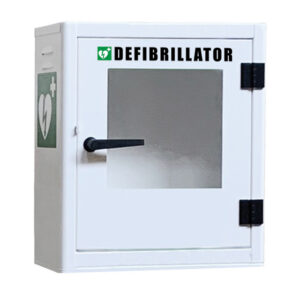
Metal Cabinet for AED/DEA Defibrillator – Indoor and Outdoor Use, White, 42 x 21 x 48 cm (Ref. 35360)
237,50 € In stockAdd to basket -
Metal Cabinet for Defibrillator (AED/SAED) with Alarm and Interior Lighting – Indoor/Outdoor Use, 42x21xh48 cm | Ref. 35361
551,00 € In stockAdd to basket -
Metal Cabinet for Defibrillator with Thermoregulator and Alarm – Indoor and Outdoor Use, White, 42 x 21 x 48 cm | Ref. 35362
693,50 € In stockAdd to basket